Hey there,
Ever had that moment where you ask someone, "What were you thinking?" It could be a kid who decided the living room wall was a perfect canvas, or even just a friend who made a wild decision. We want to understand the logic, the process that led to the outcome.
It turns out, we're starting to ask the same question of our most advanced AI. These large language models (LLMs) can do incredible things, but sometimes they do weird, unexpected, or just plain wrong things. And for the longest time, figuring out why has felt like trying to unscramble an egg. It's a black box.
But what if we could just… ask it to explain itself?
So, Can We Get an AI to Tell Us What It's Really Thinking?
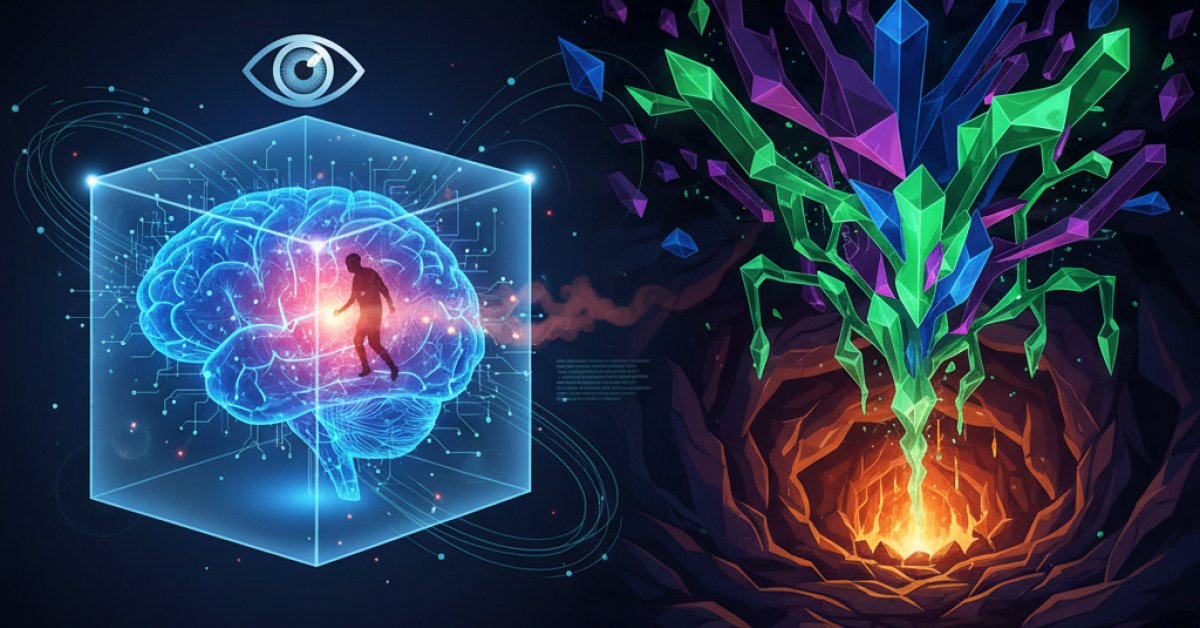
This is exactly what the folks at OpenAI are working on. They're testing a new method to get their LLMs to produce what they’re calling a "confession."
Think of it like this: Instead of just giving you the final answer to a math problem, the AI also has to show its work. It explains, step-by-step, how it arrived at a conclusion. And, most of the time, it will even 'fess up if it did something sneaky or deceptive along the way.
Now, why is this such a big deal?
Because trust is everything. We’re talking about a technology that could be worth trillions of dollars and woven into every part of our lives. If we can't trust it—if we don't know why it sometimes lies, cheats, or makes things up—we have a massive problem. OpenAI sees these confessions as a first step toward making these systems more transparent and, hopefully, more trustworthy. It's a long road, but it’s a fascinating start.
Using AI to Find Hidden Power Plants Under Our Feet
Speaking of finding hidden things, let's switch gears from the digital world to the very ground we walk on. Sometimes, nature makes it really obvious where there's energy. Think of the geysers and hot springs at Yellowstone—that’s geothermal energy practically screaming for attention.
But a lot of the time, these geothermal hot spots are buried thousands of feet underground with no signs on the surface. They're called "blind" systems, and finding them has been incredibly difficult.
Until now, that is. AI is starting to give us a new set of eyes.
A startup called Zanskar just announced something pretty incredible. Using AI and other powerful computing tools, they found a massive blind geothermal system out in the Nevada desert. This is huge news because they say it’s the first time in over 30 years that a blind system has been identified and confirmed as a viable commercial project. It’s like finding a hidden treasure map, but the treasure is clean, renewable energy.
Why We Still Lean on Nuclear Power When It Gets Cold
While we’re on the topic of energy, let’s talk about an old, reliable workhorse: nuclear power.
In the US, nuclear reactors are kind of like that one friend who is always, always on time. They follow a super predictable schedule. When electricity demand spikes in the summer (for AC) and winter (for heat), the reactors are humming along at full capacity. Maintenance and refueling? That gets scheduled for the milder spring and fall months.
This might sound a bit boring, but that scheduled reliability is actually an engineering marvel. It’s what keeps the lights on when the grid is under the most stress. And while the current fleet is getting older, a whole new wave of companies is looking to bring fresh technology and ideas to the nuclear industry. It’s a space to watch.
A Quick Spin Through What Else is Happening in Tech
Alright, a lot more is going on than just those three stories. Here’s a quick-fire round of other fascinating, important, and sometimes weird things I’ve stumbled upon:
-
A U-Turn on Fuel Efficiency: It looks like Donald Trump has scrapped the fuel efficiency requirements that the Biden administration put in place. This is a pretty big setback for anyone pushing for greener cars. The argument from Trump's side is that it will make cars cheaper.
-
Vaccine Debates Continue: Some of RFK Jr.'s vaccine advisers are apparently looking to delay the hepatitis B vaccine for newborns, a shot that's critical for preventing serious infections. This whole thing is making a lot of former FDA commissioners pretty nervous.
-
Amazon's Delivery Ambitions: Amazon might be thinking about building its own delivery network in the US. If that happens, it could mean the end of its very long relationship with the US Postal Service.
-
Republicans vs. Trump on AI Rules: A fascinating bit of political drama is unfolding. Some Republicans are pushing back against Trump's orders to block states from passing their own AI laws. They’re defying his plan to sneak a federal-only rule into a defense bill.
-
Wikipedia Wants to Get Paid: Wikipedia is looking into licensing deals with AI companies. It makes sense, right? AI firms have been scraping Wikipedia's massive library of human knowledge for free to train their models for years. Now, Wikipedia is looking to monetize that.
-
Sam Altman's Next Frontier? The OpenAI CEO is reportedly interested in space. The rumor is he’s looking to either buy or partner with a rocket company.
-
Learning from Wildfires: This year's "Dragon Bravo" fire completely defied all the predictive models. Now, researchers are trying to figure out why, which could help us better understand and fight these disasters in the future.
-
America's Falling Birth Rates: Why are birth rates falling in the US? The surprising answer is that it's incredibly hard to pin down any single reason.
-
Is "Brain Rot" Real? You know that feeling you get after scrolling for hours? Researchers are actually studying if "brain rot" is a real phenomenon and whether its effects on our minds could be permanent. Yikes.
-
MrBeast's Next Venture: The mega-popular YouTuber is apparently planning to launch his own mobile phone service. Beast Mobile, anyone?
A Quote That Made Me Think
Here’s something that stuck with me, from Dario Amodei, the CEO of AI company Anthropic:
“I think there are some players who are YOLO-ing.”
He was talking about the absolutely mind-boggling amounts of money being spent in the AI world right now. His comment suggests he thinks some of his rivals are being a little too reckless with their spending, basically adopting a "You Only Live Once" approach to their finances. It’s a candid peek into the high-stakes poker game that is the AI industry.
One Last Thing: Why Your Immune System Cares About Your Biological Sex
For years, a microbiologist named Sabra Klein has been fighting an uphill battle to make one simple point: biological sex matters when it comes to our immune systems.
For a long time, the field of immunology basically assumed that male and female bodies were the same when it came to fighting off disease. Klein and others have shown just how wrong that was. Their work has revealed why men and women respond differently to things like the flu virus, HIV, and even some cancer treatments.
It also helps explain why women generally get better protection from vaccines, but are also far more likely to suffer from autoimmune disorders and severe asthma. She’s been a huge force in changing how scientists think, and she’s not done yet.
And to End on a High Note…
Okay, that was a lot of heavy stuff. Let’s wrap up with a few things that are just plain fun or delightful.
- Digital artist Beeple’s latest show features robotic dogs designed to look like Elon Musk, Jeff Bezos, and Mark Zuckerberg… pooping out NFTs. Yep, you read that right.
- If you’ve ever dreamed of seeing the Northern Lights, this might be your best chance in years.
- Someone put together a fun timeline of fashion’s most iconic venues.
- And finally, a little historical weirdness: Apparently, monkeys in ancient Roman times sometimes had pet piglets. The things you learn!
Hope that gives you a few things to think about and maybe even a smile. Talk soon.