Picture this. You’ve poured your heart and soul into a story. You’ve bled over every sentence, every comma. And you win. Not just any local contest, but a major, career-making literary prize. It’s the dream, right?
Now, imagine the celebration is cut short by a whisper campaign that turns into a roar: "They used AI. A chatbot wrote it."
Suddenly, your moment of triumph is tainted. You're not a brilliant author; you're a fraud. This isn't a hypothetical scenario anymore. It's happening right now, and it feels like we’ve just crossed a strange, unsettling new threshold in the world of creative work.
So, What's All the Fuss About?
The latest flashpoint comes from a place you’d least expect it: the prestigious Commonwealth Short Story Prize. This is a big deal in the literary world. Past winners have gone on to have incredible careers.
But this year, the prize is in the headlines for a completely different reason. Out of the five regional winners, a staggering three are now facing accusations that they relied on AI chatbots to write their stories.
Let that sink in. Not one, but three.
This isn't some fringe internet contest. This is a respected institution. And the literary community is, understandably, in an uproar. It's sparked a massive, messy debate about what constitutes art, authorship, and, frankly, cheating.
The Problem is, How Do You Even Prove It?
Here’s where things get really complicated. It’s one thing to throw around an accusation, but it’s another thing entirely to prove it.
Your first thought might be, "Well, just run it through an AI detector!" If only it were that simple.
We've all seen how unreliable those tools are. They frequently flag classic human-written texts (like the U.S. Constitution) as AI-generated, while letting actual machine-written content slip right through. They're just not ready for primetime, and using them as a definitive judge and jury is incredibly dangerous for writers.
So, without a reliable tool, what are we left with? Gut feelings? Stylistic analysis?
This is the scary part. It turns into a digital witch hunt. An author can have their reputation destroyed based on nothing more than someone thinking their prose "feels a bit robotic" or "lacks a human touch." How on earth do you defend yourself against that? You can't. You're trying to prove a negative.
This Feels Like a Tipping Point, Doesn't It?
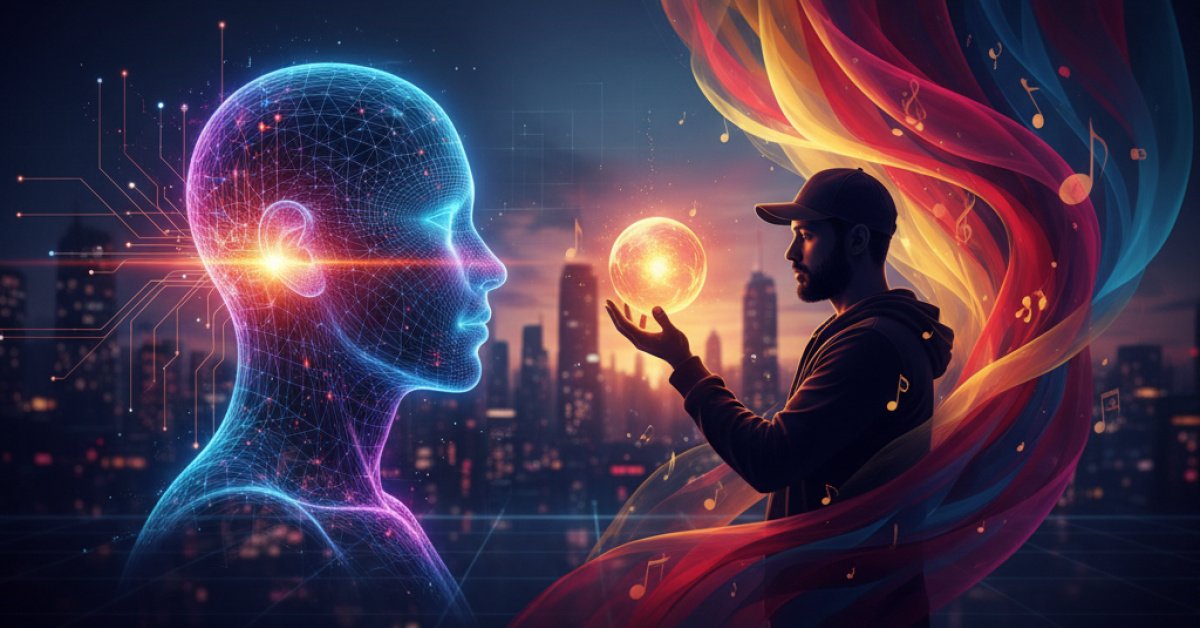
We've seen AI-generated images win art competitions, and that was weird enough. But this hits differently. This is about writing. Language is one of the most fundamentally human things we have. It's how we tell our stories, share our pain, and connect with each other.
When AI steps into this arena, the questions get much more personal and a lot more uncomfortable.
- What does "author" even mean anymore? If you use an AI to brainstorm ideas, edit your sentences, or even generate a first draft, are you still the author? Or are you more of a director?
- Is it a tool or a collaborator? We use tools all the time. No one accuses a writer of "cheating" for using a thesaurus or a grammar checker. But AI is different. It’s not just correcting your spelling; it's generating original (well, sort of original) thought.
- Does the final product matter more than the process? This is the big one. If an AI-assisted story is genuinely moving and brilliant, should we care how it was made?
It's a messy ethical minefield. There are no easy answers here, and anyone who tells you there are is probably trying to sell you something.
Where Do We Go From Here?
One thing is crystal clear: the old rules are broken. Every writing competition, publishing house, and literary journal on the planet needs to have an emergency meeting right now to figure out their policy on AI.
Will they ban it outright? Will they require authors to disclose its use? Maybe we'll see new categories, like "Best AI-Assisted Short Story."
But even with new rules, it's going to be a cat-and-mouse game. The technology is evolving so fast that any policy written today might be obsolete in six months. The models are getting better at sounding human, and people are getting better at covering their tracks.
Ultimately, this might be less about policing and more about a fundamental shift in what we value. Do we value the flawed, messy, beautiful struggle of human creation? Or do we only care about the polished final product, regardless of its origin?
The Commonwealth Short Story Prize situation isn't an isolated incident. It's the first tremor of an earthquake. We’re going to be seeing a lot more headlines like this. The line between human and machine creativity is getting blurrier by the second, and we're all just trying to figure out which side we're on.