You've seen them. That video of a celebrity saying something completely out of character, or a politician endorsing a wild idea. For a split second, you believe it. The voice is right, the face moves perfectly. Then, that uncanny feeling creeps in. You’ve just stumbled into the strange world of deepfakes, and it’s getting harder to tell what’s real anymore.
For content creators, this isn't just a weird internet phenomenon; it's a potential nightmare. Imagine someone using your face and voice to promote scams, spread misinformation, or ruin your reputation. It’s a terrifying thought, and until now, creators had very little recourse.
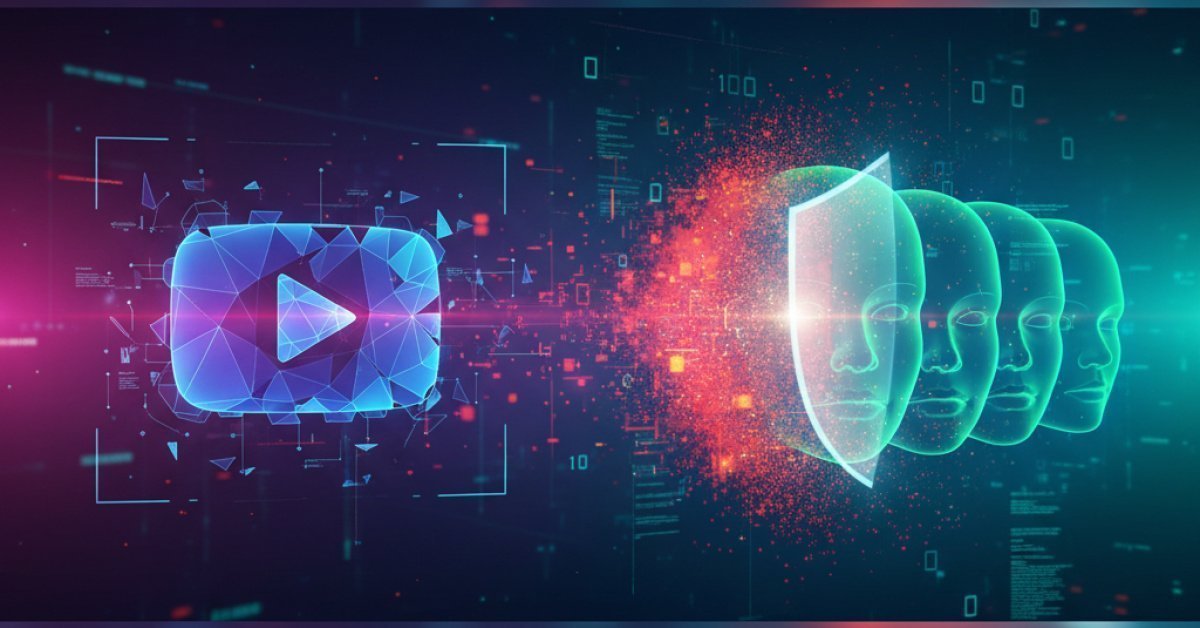
Well, YouTube is finally stepping into the ring. The platform has rolled out a new “likeness detection” system, a tool designed to be a creator’s first line of defense against AI-driven identity theft. It's a massive move from one of the world's biggest tech giants, but it begs the question: in this high-stakes imitation game, is this new shield strong enough?
So, How Does This YouTube Deepfake Detector Actually Work?
Let's break down what's happening behind the curtain. YouTube’s new system isn't something you or I can use to check a random video. Instead, it’s a proactive tool built specifically for creators in the YouTube Partner Program (YPP).
Here’s the process in a nutshell:
- Automatic Scanning: YouTube’s system continuously scans new video uploads across the platform. It’s looking for content that uses AI to replicate the face or voice of a known YPP creator.
- The Flag & Review: If the algorithm finds a potential match—a video that seems to feature a creator’s likeness without being from their channel—it flags it.
- The Creator Dashboard: The flagged video then appears in a new "Content Detection" tab within the creator's YouTube Studio. This is mission control for managing your digital identity.
- The Takedown Request: From this dashboard, the creator can review the flagged content. If they find that their likeness is being used without permission in a deceptive way, they can submit a privacy-based takedown request.
It’s essentially an automated watchdog, designed to alert you the moment a digital clone of you appears on the platform. This gives creators a powerful lever to pull, shifting the burden from endless searching to simple reviewing.
The Digital Arms Race: Why This Tool Is a Bigger Deal Than You Think
It’s easy to dismiss this as just another feature update, but it’s a significant move in the ongoing battle for online authenticity. For years, the internet has felt like the Wild West when it comes to AI-generated media. We’ve all seen those eerily convincing Tom Cruise deepfakes on TikTok or viral clips that are just a little too perfect.
The creators of this technology are getting better, faster. The tools are more accessible, and the results are more believable. This has left platforms like YouTube in a tough spot, trying to balance free expression with the need to prevent harm.
YouTube’s likeness detector is one of the first public, large-scale efforts by a major platform to empower users directly. It’s a statement that says, "We see the problem, and we're giving you a way to fight back." It moves the conversation from a theoretical problem to a practical one with a tangible solution, however imperfect it may be. This is a crucial step in establishing accountability in the age of AI.
Not a Silver Bullet: The Inevitable Catches and Criticisms
Of course, with any new automated system, the devil is in the details. While this tool is a welcome development, it’s far from a perfect solution, and creators and policy experts are already pointing out potential blind spots.
The Parody and Commentary Problem
What about fair use? Satire, parody, and critical commentary often use a person's likeness to make a point. An overly aggressive algorithm could easily misinterpret a clever political parody or a review video and flag it for removal.
Creators are rightfully concerned that this could become another version of the infamous Content ID system, which has been known to generate false claims and create massive headaches for legitimate channels. Striking the right balance between protecting creators from malicious deepfakes and allowing for creative expression is going to be incredibly tricky.
The Tech is Always a Step Behind
The second major challenge is the nature of the technology itself. Detection algorithms are, by definition, reactive. They are trained on existing deepfake methods. But the people creating deepfakes are constantly innovating, developing new techniques to be more subtle and evade detection.
It’s a high-stakes game of digital whack-a-mole. By the time YouTube’s system gets good at catching one type of deepfake, a new, more advanced version will likely already be circulating. As one creator I saw on a forum put it, "For every one fake me they catch, three more will pop up doing a podcast."
Beyond YouTube: A Global Wake-Up Call for AI Transparency
YouTube isn't acting in a vacuum. This move is part of a much larger, global conversation about AI transparency and regulation. Governments and regulatory bodies are finally waking up to the potential dangers of unlabeled synthetic media.
For example, India has proposed new rules that would require all AI-generated content to be clearly and permanently labeled. Similarly, the European Union's Digital Services Act includes provisions aimed at increasing transparency around AI systems.
These initiatives all point to the same conclusion: the era of letting AI run wild without guardrails is coming to an end. Platforms are under increasing pressure to not only detect harmful content but also to give users clear signals about what’s real and what’s synthetic. YouTube’s tool is a piece of this much larger puzzle, signaling a shift toward a more accountable internet.
Are We Winning the War on Fakes, or Just the First Battle?
So, where does this leave us? Is YouTube's new deepfake detector the solution we've been waiting for? The honest answer is: it's a start. A really important one, but still just a start.
The most optimistic take is that tools like this are "training wheels" for a new era of digital media literacy. When platforms provide tools to question authenticity, it encourages users to think more critically. The simple act of knowing that a video could be fake makes us all a little less likely to take viral content at face value.
However, we can't ignore the fact that we're in an uphill race against an opponent that never gets tired. The technology for creating deepfakes is improving at an exponential rate. It’s becoming cheaper, faster, and more accessible every single day.
YouTube's likeness detector is a necessary and commendable step. It puts a much-needed brake on the rampant, unauthorized use of people's digital identities. It won't end deepfakes overnight, and it will surely have its own set of problems. But it's a clear signal that the days of consequence-free digital impersonation are numbered. We're finally moving from simply watching the problem grow to actively trying to solve it, and in the fight for online trust, that's a battle worth fighting.