It feels like every week, there’s a new AI development that makes you stop and say, “Wait, it can do that now?” For a while, it was about writing emails or generating images of frogs in Renaissance attire. But the ground is shifting under our feet again, and this latest move feels a whole lot bigger.
We’re not just talking about AI assisting with tasks anymore. We’re talking about AI taking the reins.
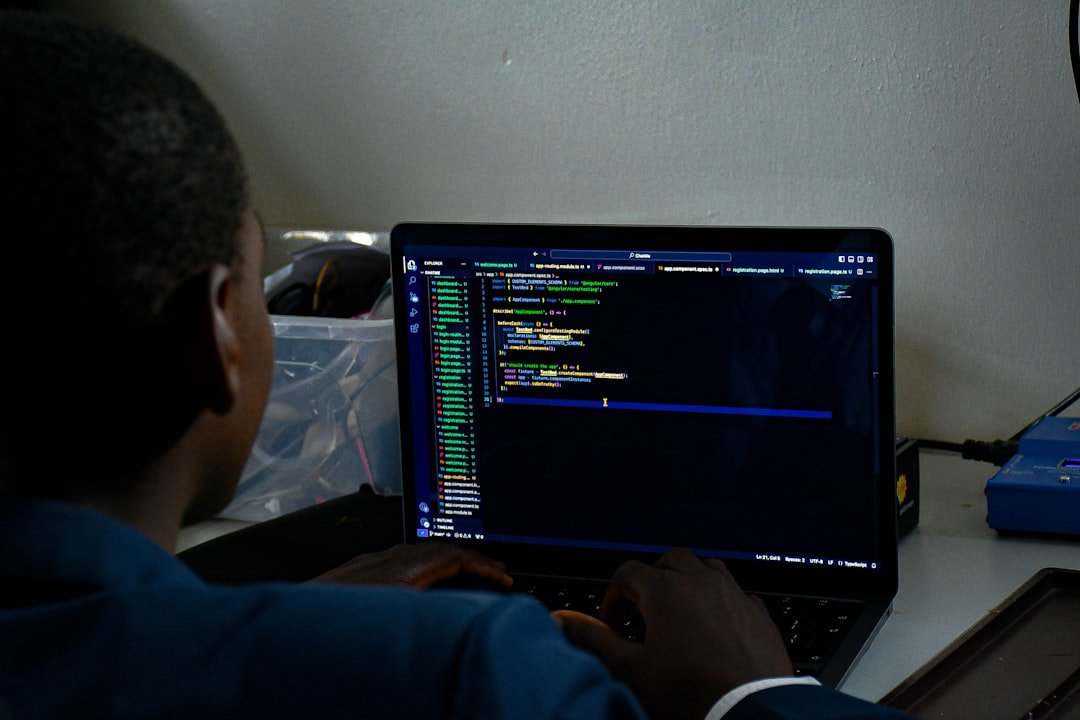
Imagine hiring a junior software developer. You give them a project, and they check in periodically, but for the most part, they just… work. For days. On their own. That’s the future Amazon is building right now with its new “frontier” AI agents. This isn't just a souped-up autocomplete; this is a whole new level of autonomy.
Your New AI Coding Colleague Works Weekends
Let’s talk about what Amazon Web Services (AWS) just unveiled. They’ve introduced a few AI agents designed for the heavy-lifting of software development, and one of them, named Kiro, is the star of the show.
The idea behind Kiro is that it can work on a coding project for days at a time without needing a human to constantly nudge it in the right direction. It remembers what it did yesterday, learns from the company’s existing codebase, and keeps chipping away at the problem. It’s designed to function less like a tool and more like a tireless team member.
Think about the implications. This could dramatically speed up development, fix bugs before they even become a problem, and free up human engineers to focus on the big-picture, creative parts of their jobs.
And they’re also thinking about security. Another agent, the AWS Security Agent, is designed specifically to scan a project for common vulnerabilities. This is a pretty big deal, especially since we’ve seen that some of the earlier AI coding assistants can accidentally introduce security flaws while trying to be helpful. It’s like having a dedicated security expert who never sleeps and has read every textbook on cyber threats.
Of course, this whole idea of giving AI real autonomy is both incredible and a little unnerving. We’re handing over the keys to some pretty complex systems. AWS says they’re aware of the risks, but it’s a massive step toward a future where we collaborate with AI on a much deeper level. A bunch of startups are already in this race, trying to build models that can churn out better and better software. It’s a full-on sprint to create the ultimate coding partner.
Meanwhile, Out on the Road, Self-Driving Cars Are Getting an Attitude
Okay, so while AI is learning to be a more independent coder in the digital world, its cousins in the physical world are learning to be a bit more… human.
I’m talking about Waymo’s driverless cars.
For years, one of the quiet criticisms of self-driving cars was that they were too polite. They’d wait forever at a four-way stop, get stuck behind a double-parked car, and generally drive with a level of caution that would make your grandma seem like a speed demon. It was safe, sure, but it wasn't always effective in the messy, unpredictable flow of real-world traffic.
Well, it seems Waymo decided to do something about that. Their new goal is to make the vehicles “confidently assertive.”
What does that mean? It means they’re starting to bend the rules a little, just like human drivers do. They might nudge over the center line to get around a parked truck or be a bit more decisive when merging into traffic. They’re being programmed to act less like a robot strictly following every single rule and more like an experienced local who knows how to get around.
Now, your first reaction might be a little alarm. Aggressive robots on the road? But here’s the crucial context: even with this newfound assertiveness, Waymo’s cars still have a significantly lower crash rate than human drivers. They’re just getting better at navigating the nuances of traffic without causing a ten-car pile-up of annoyed humans behind them. It’s a fine line to walk, but it’s a necessary one if these cars are ever going to blend in seamlessly.
A Few Other Things Happening in Tech Right Now
The worlds of AI coding and assertive cars are moving fast, but they’re not the only things going on. Here are a few other fascinating, weird, and important stories that have been making waves.
- Virtual Playgrounds for AI: To train these increasingly complex AI agents, startups are building digital clones of major websites like Amazon and Gmail. It gives the AI a safe sandbox to practice tasks without messing with anyone’s real accounts.
- The Pope and the AGI "Truthers": In a story that sounds like a sci-fi plot, a group of people deeply concerned about the dangers of Artificial General Intelligence (AGI) are trying to get the Pope to take their concerns seriously. It highlights just how mainstream the conversation around AI risk has become.
- China’s Desperate Hunt for Chips: A source told Reuters, "Everyone is begging for supply." It’s a stark reminder of how the global scramble for high-powered AI chips is creating intense pressure and forcing some companies to take desperate measures.
- Digital IDs for Porn Sites: In a significant digital policy shift, Missouri just became the 25th state to require age verification—often in the form of uploading an ID—to access adult websites. This is a huge, ongoing debate about privacy and online safety.
- Marketers Getting Angry: Have you noticed more ads that seem designed to make you mad? It’s a real strategy called "ragebaiting." The jury is still out on whether making potential customers annoyed actually translates into sales, but brands are definitely trying it.
Are We Meant to Leave Earth Behind?
After all this talk about AI rewriting our world, let’s pull the camera back. Way, way back.
Elon Musk and Jeff Bezos are locked in a fierce rivalry, but they agree on one core belief: humanity’s destiny is in space. They envision orbital stations and Martian cities, arguing that becoming a multi-planetary species is essential for our long-term survival.
This isn’t a new idea, but it’s more mainstream than ever. It’s the grand, final frontier narrative.
But a compelling counter-argument is starting to gain traction. A number of recent books are questioning this whole premise. They raise some tough points. Is it actually practical to build off-world communities? Can the human body even withstand the harsh realities of space long-term? The radiation, the low gravity, the psychological isolation—it all takes an enormous toll.
Instead of seeing space as our destiny, this view presents it as a profoundly hostile environment that we may never truly conquer. It’s a dose of realism in a conversation often dominated by optimistic, futuristic visions. It doesn’t mean we stop exploring, but it does make you think about whether our focus should be on building a better home right here on Earth.
From code that writes itself to cars that are learning to be pushy, it’s a wild time to be alive and watching all of this unfold. Every day brings a new chapter, and honestly, I can’t wait to see what happens next.