How often do we get asked, “How are you feeling?” It’s a simple question, yet when it comes to pain, the answer can be anything but straightforward. Understanding pain is notoriously tricky—it's subjective, personal, and varies drastically from one person to another. But what if technology could lend a hand in this complex arena? Enter an innovative AI-driven smartphone app designed to quantify pain levels, potentially transforming how we approach pain management in healthcare settings.
The Challenge of Measuring Pain
Pain isn’t just a number on a scale. It’s influenced by our individual experiences, emotional state, and even cultural background. I remember a doctor once asked me to rate my pain on a scale from one to ten. It felt like a daunting task. Was breaking my toe an eight because it hurt a lot, or was it merely a distraction from the memories of my past appendix surgery, which I’d ranked as a ten? This internal debate highlights a fundamental issue: pain is deeply personal and often difficult to articulate.
The Subjective Nature of Pain
Even healthcare professionals face challenges when evaluating pain. In the 1940s, anesthesiologist Henry Beecher observed that soldiers with severe injuries were less likely to seek pain relief compared to civilians. Why? Perhaps they felt a sense of camaraderie or simply felt fortunate to be alive. Such nuances add layers to our understanding of pain, making it clear that a standardized approach might not capture the full picture.
Enter the AI Solution
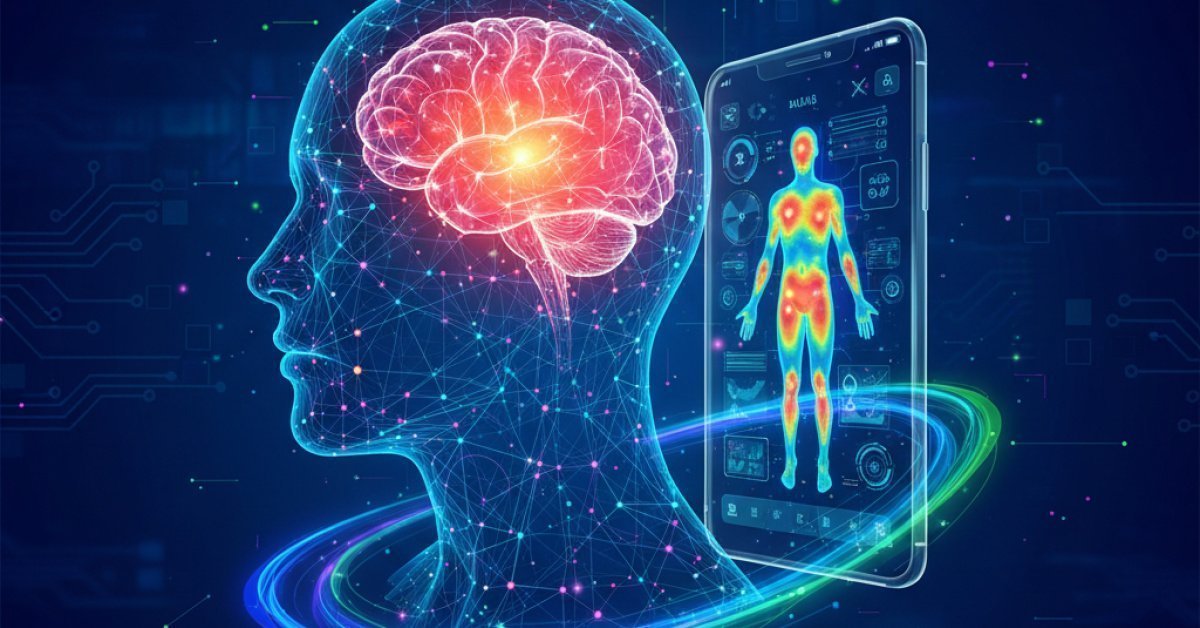
In the latest issue of MIT Technology Review, Deena Mousa introduces us to PainChek, an AI app that aims to bridge this gap. The app evaluates facial expressions and subtle movements, like a frown or a raised eyebrow, to gauge pain levels. This innovative tool is especially beneficial for individuals who may struggle to communicate their discomfort, such as those with dementia or severe cognitive impairments.
How PainChek Works
The app operates by analyzing small facial cues. After assessing these movements, users complete a checklist identifying other signs of pain, such as restlessness or changes in behavior. This dual approach allows caregivers to gather a more comprehensive view of the patient’s pain experience. Early reports indicate that PainChek has found success in various hospital and care settings, providing an additional layer of insight for medical professionals.
Limitations and Considerations
While PainChek represents a significant step forward, it’s not without its limitations. For individuals who can articulate their pain, the app may not offer much new information. It’s a tool that shines in situations where traditional communication isn’t possible, but it doesn’t replace the subjective pain reports that are still considered the gold standard by many experts.
A Broader Perspective on Pain Management
Stuart Derbyshire, a pain neuroscientist at the National University of Singapore, emphasizes that understanding pain is not just about scoring it. Even if we know a person is in pain, what can a doctor do with that information? Most pain relief medications are designed for short-term issues, leaving chronic pain conditions with fewer effective options. This raises important questions about how we treat pain and the ongoing need for innovative solutions.
The Future of Pain Assessment
As we look ahead, it’s clear that while technology can enhance our understanding of pain, we still rely heavily on subjective experiences. PainChek and similar tools can provide valuable insights, but they cannot entirely replace the nuanced narratives that patients share about their discomfort.
The Role of Technology in Healthcare
The integration of AI in healthcare is just beginning, and the journey towards a comprehensive pain assessment system is ongoing. We need to embrace these technological advancements while also acknowledging their limitations. The blend of human experience and AI tools could create a more effective approach to pain management, ultimately leading to better patient outcomes.
Final Thoughts on Pain and Technology
As we continue to navigate the complexities of pain, we should remain optimistic about the potential of AI applications like PainChek. They represent a beacon of hope for countless individuals who struggle to communicate their pain. By combining technology with compassionate care, we can work towards a future where pain management is more precise and effective.
So, the next time someone asks, “How are you feeling?” we might just have a little more clarity—and a little more help—thanks to innovative solutions paving the way for a better understanding of pain.