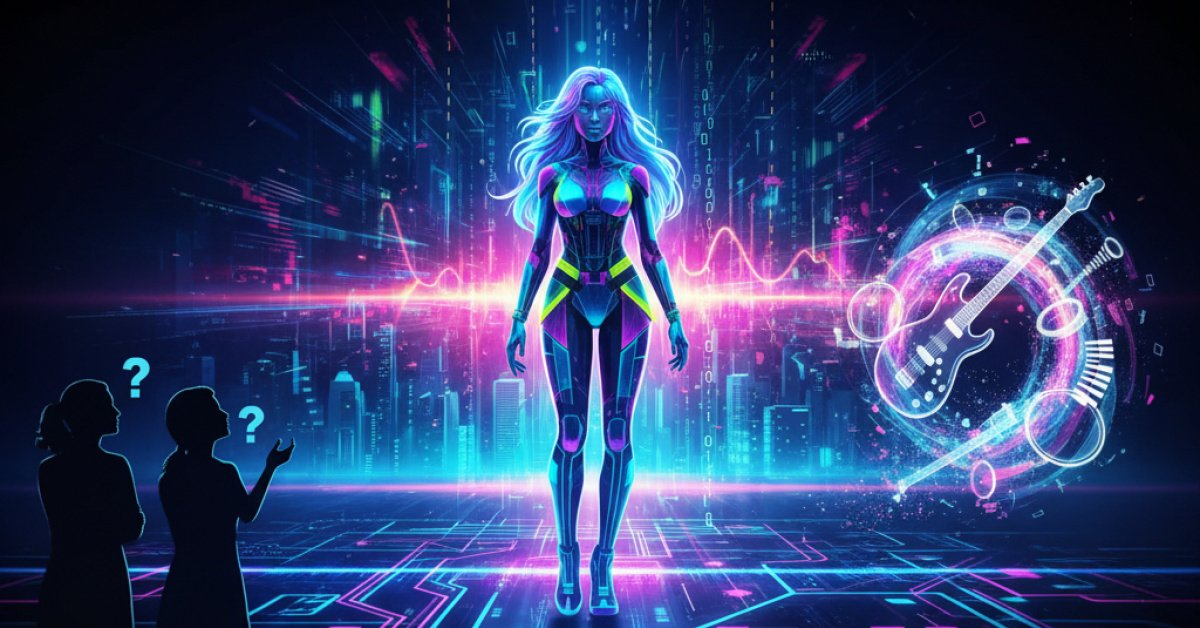
Have you ever heard a new song and immediately thought, "Wow, who is that?" You scramble for your phone, open up Spotify, and look up the artist. Now, imagine you do all that, only to find out the singer… isn't a person.
That’s a conversation that’s starting to happen for real, and it’s all centered around an artist named Xania Monet.
You might have seen her name pop up in a Guardian article recently. Xania isn't just some tech demo or a weird experiment locked in a lab. She has real songs on streaming services, a growing number of fans, and she’s forcing a very real, and very complicated, conversation about the future of music.
It’s one of those things that feels like sci-fi, but it's happening right now. So let's talk about it, because this isn't just about one AI singer. It’s about what it means to be an artist in a world where technology is blurring all the lines.
So, What's the Deal with Xania Monet?
First things first, let's get one thing straight. This isn't a case of some robot spontaneously deciding to write a pop ballad. The story behind Xania is actually way more interesting.
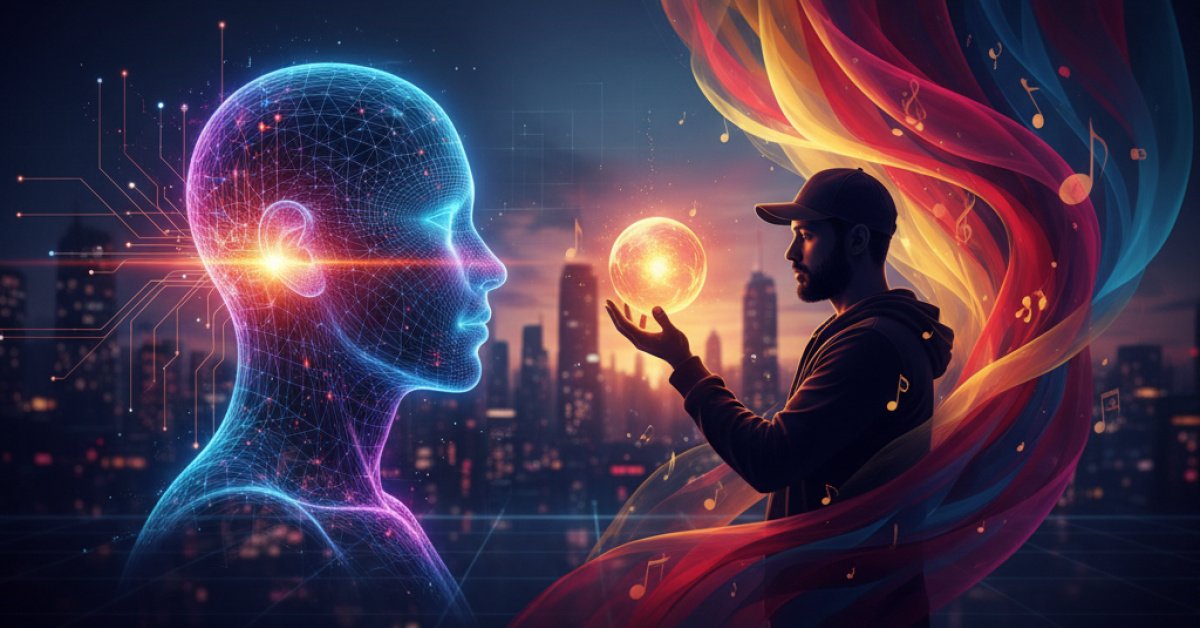
Her creator, Telisha ‘Nikki’ Jones, describes Xania as an “extension” of her own creative imagination. Think of it less like a machine that replaced a human, and more like a new, incredibly advanced instrument a human is learning to play.
And this is the part that really got my attention. It’s not a simple "AI wrote this song" situation. The lyrics? Jones writes those herself, based on her own real-life experiences. The human emotion, the story, the heartbreak, the joy—that all comes from a person.
The AI comes in to handle the vocals and the production. So what you end up with is this fascinating hybrid: a human heart and a machine voice. It's a little uncanny, a little weird, and honestly, pretty captivating.
The Big Debate: Is This a Threat to Human Artists?
As you can probably guess, not everyone in the music industry is rolling out the red carpet for AI artists. You can almost hear the whispers in the studios: is this a cool new frontier, or is it the beginning of the end for human musicians?
Artists like Kehlani have been vocal about their concerns, and you can see why. They argue that this kind of technology diminishes the craft. It skips over the years of vocal training, the late-night rehearsals, the blood, sweat, and tears that go into a performance. It feels like a shortcut.
And that's a totally valid point. There’s something sacred about the human struggle that gets poured into art. Can a machine ever truly replicate that?
But here’s the other side of the coin. Jones and her team argue that this isn't about replacing artists. It’s about rethinking what the word "artist" even means.
If the message and the story are real and come from a place of genuine human experience, does it fundamentally matter if a human or a machine sang the final note? It’s a tricky question, especially now that we live in a world with voice-cloning and deepfakes. The line between what's real and what's synthetic is getting fuzzier by the day.
This Is Way Bigger Than Just One Singer
It’s easy to look at Xania Monet as a novelty, but she’s actually part of a much larger shift. AI voice generation and digital avatars are popping up everywhere—in music, in gaming, in content creation.
We’re moving past the phase of “AI writing a song” and entering a whole new era of “AI being the performer.”
Think about it. We’re not just talking about tools that help with songwriting anymore. We're talking about multimodal systems that combine audio, voice, production, and even a whole persona into one package. That’s a massive leap.
A Game-Changer for Indie Creators?
From a local perspective, like for artists here in the Philippines or Southeast Asia, this is a double-edged sword.
On one hand, these tools could be an incredible opportunity. For an independent musician or a bedroom producer, this could lower the barriers to entry in a huge way. You don’t necessarily need a full band, an expensive studio, or a record deal to bring your musical ideas to life. That’s pretty powerful.
But there’s a risk, too. If everyone starts using these tools, you could end up as just one more synthetic-sounding voice in an ocean of them. It becomes incredibly hard to stand out.
If I were giving advice to a creative friend right now, I’d tell them to hold on tight to their "why." Why do you create? What’s the story only you can tell? You can use all the cool tech in the world, but without that core reason, that unique perspective, the technology is just a tool. It might enable you, but it won’t help you connect with an audience.
We also have to start paying serious attention to things like rights, authenticity, and representation. As the synthetic becomes more and more real, these issues are going to become more and more important.
So, Xania Monet is way more than just a tech headline. She's a sign of where things are going, and she’s forcing us all to have a conversation that is long overdue.
Where this all ends up is anyone’s guess. Maybe it leads to a grim future where we’re constantly questioning what "real music" even is. Or, maybe—just maybe—it could kick off a brave new era of creativity we can’t even imagine yet.
What I know for sure is that the music is playing, the conversation is getting louder, and it’s one we all need to be listening to.