It feels like every week there’s a new AI model that’s smarter, faster, and more capable than the last. It’s exciting, a little bit terrifying, and moving at a breakneck pace. But have you ever stopped to think, "Who's actually checking this stuff before it goes live?"
Well, it looks like we have an answer. And it’s a big one.
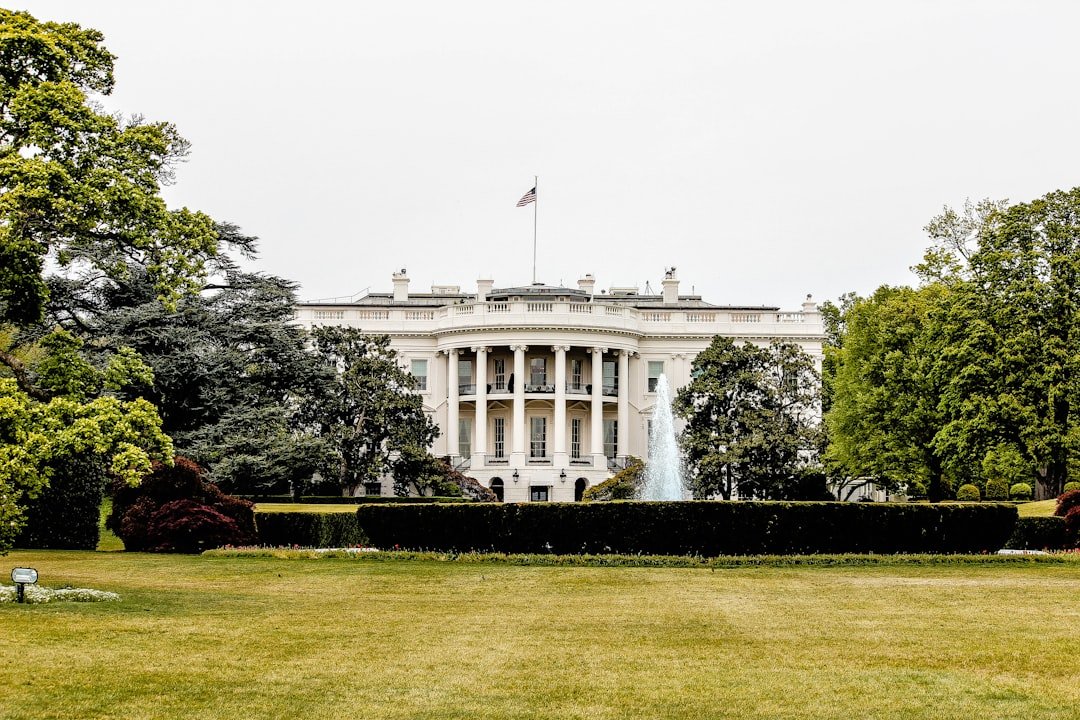
The U.S. government has essentially asked to see the keys to the car before it even leaves the factory. And surprisingly, some of the biggest names in the game—we’re talking Microsoft, Google DeepMind, and even Elon Musk’s xAI—have agreed to hand them over. They’re offering U.S. officials a sneak peek at their most powerful new AI models before they’re released to the public.
This isn’t just some friendly collaboration. It marks a massive shift in the often-tense relationship between Silicon Valley and Washington. Let's break down what's really going on here.
The Government Wants to Look Under the Hood
So, what does this "early access" actually mean?
Imagine a team of government analysts getting to play with the next GPT-5 or a super-secret Google model while it's still in the lab. That's basically what's happening. The goal is to vet these "frontier" AI systems for major security threats before they’re ever unleashed on the world.
They’re looking for the scary stuff. Could this AI be used to launch devastating cyberattacks? Could it help design a bioweapon? Could an enemy nation use it for military purposes? These are the questions keeping officials up at night.
The team running these checks is a special group within the Commerce Department called CAISI (Center for AI Standards and Innovation). Their job is to stress-test these models, find the breaking points, and identify the worst-case scenarios. Sometimes, the companies even give them versions with the safety features turned down or completely off, just to see how bad things could get.
Yeah, it sounds a little ominous, because it is. You don't test a new lock by politely asking the door to stay shut; you try to kick it down.
Why Now? The Fear is Getting Real
This whole thing didn't just happen overnight. For a while now, U.S. officials have been watching these new AI models emerge with a growing sense of dread. According to Reuters, some of the models being developed have seriously elevated the stress levels of people at the very top.
One tool that reportedly raised a lot of red flags was a model from Anthropic called "Mythos." The problem isn't just that an AI could find security flaws that humans miss. The real fear is that the same tool that helps a security expert find a vulnerability could also help an attacker exploit it. It’s a classic double-edged sword.
This isn't just a U.S. concern, either. Microsoft recently signed a deal with the U.K.'s AI Security Institute to work together on managing these risks. It’s a clear sign that governments around the world are starting to realize they can't just let tech companies grade their own homework anymore.
This isn't the first time the government has gotten a peek, either. The new agreements with Microsoft, Google, and xAI are building on earlier deals with OpenAI and Anthropic. In fact, OpenAI apparently handed over a version of what might be GPT-5.5 for a national security evaluation.
When you connect the dots, a clear picture emerges: the most powerful AI labs are being pulled into a government vetting process before their world-changing tech goes live.
The Classic Silicon Valley Dilemma: Move Fast or Be Safe?
Here’s where things get complicated. The tech world runs on speed. AI development right now is a knife fight in a phone booth—it’s fast, brutal, and incredibly expensive. Companies are in a frantic race against each other and, on a national level, against rivals like China.
So, you can see the problem. If every new AI model has to sit in a government review process for months, U.S. tech companies will scream that they’re being hamstrung. They’ll argue that Washington is basically handing their biggest competitors a gift-wrapped advantage. And honestly, they wouldn't be entirely wrong.
But on the other hand, the government wants to avoid a situation where the first time we see a truly dangerous AI capability is when it’s used in a public attack. That's how you end up governing by apology, and nobody wants that.
The compromise seems to be focusing only on the most powerful "frontier" models—the ones with the potential to impact military, cyber, or even biological and chemical security. Nobody is suggesting a government official needs to approve your email's auto-complete feature. This is more like having an engineer inspect the rocket before it launches. It's less dramatic, maybe, but the principle is the same.
An Uneasy Alliance Built on Mistrust
Let’s be real: there’s a trust problem here. For years, tech giants have told regulators, "Don't worry, we can regulate ourselves." And for years, regulators have watched as technology outpaced every attempt to keep it in check.
The result is this awkward middle ground we're in now. The companies offer up their models for review, federal researchers run their tests, and everyone crosses their fingers that the process catches the worst-case scenarios without getting bogged down in endless red tape.
It’s hard not to feel like this moment was inevitable, though.
Once AI models got powerful enough to influence things like national security and critical infrastructure, the idea that these companies could just test them in-house forever was never going to fly. You and I might not understand the technical details of a red-team report, but we definitely understand that a system capable of causing real-world harm needs a second pair of eyes on it before it goes to market.
For now, it seems Big Tech's need to innovate and Washington's need to prevent disaster have aligned, at least temporarily. They’ve found a path forward: open up the AI models for a look before the engine truly roars to life. It’s a fragile truce, but in the wild world of AI, it’s a start.