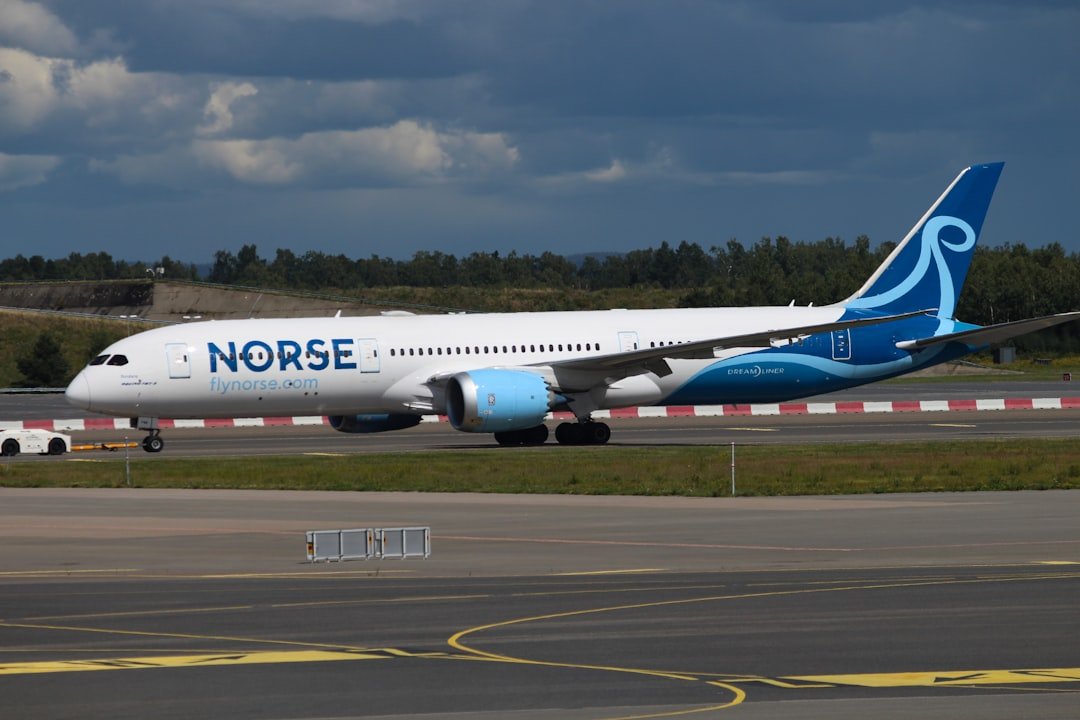
You’ve seen them, right? Those jaw-droppingly cheap flights to Europe that pop up on your screen. Fares so low you do a double-take, wondering if it’s a typo. A round trip to London or Paris for the price of a decent dinner for two? Sign me up.
A lot of these deals lately are coming from an airline called Norse Atlantic Airways. They’ve made a name for themselves with these rock-bottom prices. And in a world where a trip across the pond can easily cost a grand, it’s incredibly tempting.
But as we all know, there’s rarely a free lunch. We’re used to the usual budget airline trade-offs: paying extra for a carry-on, no free snacks, less legroom. We accept it. But with Norse, there’s a different kind of catch, one that isn't listed on the booking page. It’s a tech-first approach to customer service that, when it breaks, can turn a dream vacation into an absolute nightmare.
So, What's a "Tech-First" Airline, Anyway?
Let's break this down. In theory, a "tech-first" or "AI-first" customer service model sounds pretty great. The idea is to automate as much as possible to keep costs down.
Think about it like this: Instead of paying a huge team of people to sit in a call center, you build a system of chatbots, automated rebooking tools, and extensive FAQs. The goal is for you, the customer, to solve your own problems using their app or website.
When it works, it’s slick. You can change your seat, add a bag, or check in, all without ever having to talk to a person. It’s fast, it’s efficient, and it’s a big reason why they can offer you a $400 ticket to Rome. The savings from not having a massive support staff get passed on to you.
But what happens when something goes wrong? Something that isn't a simple, pre-programmed scenario?
When the Chatbot Can't Help You
This is where the dream of tech-powered efficiency crashes into reality. Dozens of travelers have filed complaints with the Federal Trade Commission (FTC), and their stories paint a pretty clear picture.
The problems start when something complex happens. A flight gets canceled due to weather. Your baggage goes missing. You need a refund for a legitimate reason. These aren't simple "yes" or "no" issues. They require nuance, and often, a human touch.
But with Norse's system, many passengers say they get stuck in a digital loop. They're directed to a chatbot that can only handle basic queries. When the bot gets confused, it just repeats the same unhelpful information. There’s no easy "click here to speak to an agent" button. Finding a phone number is like a scavenger hunt, and even if you find one, getting someone to pick up can feel impossible.
You’re basically left shouting at a wall—a digital wall that was designed to be your only point of contact.
The Real-World Cost of Failed Automation
This isn't just about being frustrated. For some people, this breakdown in customer service has cost them thousands of dollars.
Imagine this scenario: You’re at the airport, and your Norse flight home is canceled. The airline’s app tells you to use the chatbot to rebook. The chatbot offers you a new flight... three days from now. But you have to be at work tomorrow. You have kids to get home to.
You desperately need to talk to a human to find a better solution—maybe a flight on a partner airline or from a nearby airport. But you can't get through. The gate agents can't help because they’re contractors who just handle the physical boarding process. You’re on your own.
What do you do?
Many people in this situation are forced to book a last-minute, one-way ticket on another airline, often for an astronomical price. They have to pay for extra hotel nights, meals, and transportation. They’re told they can apply for a refund or compensation later, but they run into the same digital wall trying to do that, too.
Suddenly, that "dirt-cheap" ticket has become one of the most expensive flights of your life.
A Warning Sign for the Future of AI in Service
Honestly, this whole situation is bigger than just one airline. It’s a cautionary tale about the rush to replace humans with AI without building in proper safety nets.
We're seeing this everywhere, not just in travel. Companies are falling in love with the cost-saving potential of AI and are gutting their human support teams. They're betting that the tech will be "good enough" for most situations.
But "good enough" isn't good enough when people's money, time, and well-being are on the line. AI is an incredible tool for handling high-volume, simple tasks. It can free up human agents to deal with the really tricky stuff. The problem arises when there are no human agents left to escalate to.
The best systems we're seeing in tech right now use a hybrid model. The AI handles the first line of defense, and if it detects frustration or a complex problem, it seamlessly hands you off to a person who can actually help. It seems Norse may have skipped that last, crucial step.
So, what’s the takeaway here? I’m not saying you should never fly a budget airline. But it's a stark reminder that the price on the ticket isn't the only cost to consider. Before you book, it's worth doing a quick search for recent customer service reviews. Understand what kind of support model you’re buying into.
Because when things go smoothly, that cheap flight feels like a genius move. But when they don’t, you might find that the price of not being able to reach a human is far higher than you ever imagined.