Remember late 2022? It feels like a lifetime ago, but that’s when OpenAI dropped ChatGPT on an unsuspecting world, and everything kind of went sideways. Suddenly, millions of us were having conversations with our computers, and for the first time, they were having coherent, sometimes even witty, conversations back.
It felt like magic. Genuinely. We were all enchanted, and our imaginations ran wild with what would come next. Flying cars? Robot butlers? An end to all tedious work? The sky was the limit.
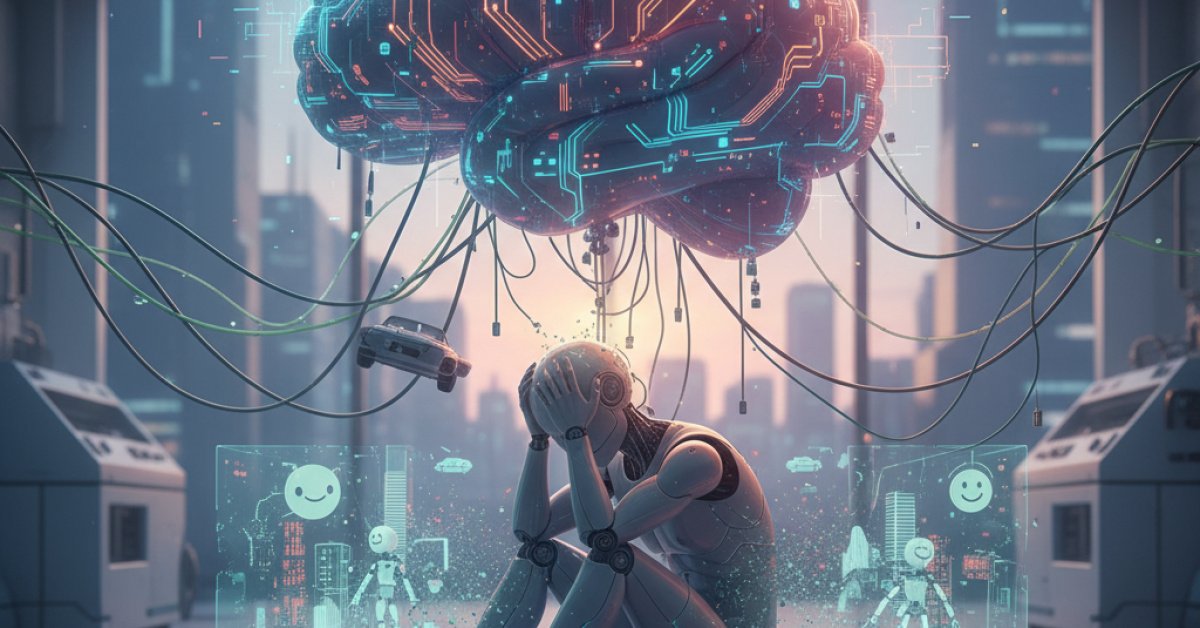
Well, fast forward to today, and it feels like we're all waking up from a really wild dream. 2025 has been the year of the great AI reality check. The magic is still there, but we're starting to see the strings. And honestly? That might be a good thing.
So, What Happened to the AI Magic?
It's not that AI isn't incredible—it absolutely is. We're still seeing amazing things. But the earth-shattering, industry-redefining leaps we saw every few months have slowed to a more… normal pace.
Here’s the thing: a bit of disillusionment was probably inevitable. For a while there, it felt like some of the leaders at the big AI companies were in a race to make the boldest promises, and frankly, they just couldn't keep them. At the same time, the updates we're getting to the core technology are more like going from an iPhone 14 to an iPhone 15—it's better, for sure, but it’s not the jump from a flip phone to a smartphone that we first experienced.
Think of it like this: the last few years have been packed with genuine "Wow!" moments. But this technology is still a toddler. It's brilliant and full of potential, but it's also clumsy, experimental, and makes a lot of messes. Its successes often come with some pretty big asterisks attached.
We're just starting to have more honest conversations about what AI can't do, and that's just as important as what it can. It’s time to reset our expectations, moving from wide-eyed wonder to a more practical, grounded understanding of this powerful tool.
What Happens When Your Map Starts Lying to You?
Speaking of reality checks, let's talk about a piece of technology we all take for granted: GPS. It’s the silent hero that gets you to that new restaurant, tracks your pizza delivery, and lets your friends know where you are.
But what if it just… stopped working? Or worse, what if it started to actively lie?
This isn't a hypothetical. Since the 2022 invasion of Ukraine, there's been a massive and far-reaching Russian campaign to jam GPS signals. We're talking thousands of flights affected, creating a huge headache for air traffic controllers and a very real risk of disaster. This whole situation has thrown a harsh spotlight on just how fragile our reliance on GPS really is.
They’re using two main tricks:
- Jamming: Blasting out radio noise to drown out the weak satellite signals.
- Spoofing: A bit more sinister. This involves sending fake signals to trick a GPS receiver into thinking it's somewhere it isn't.
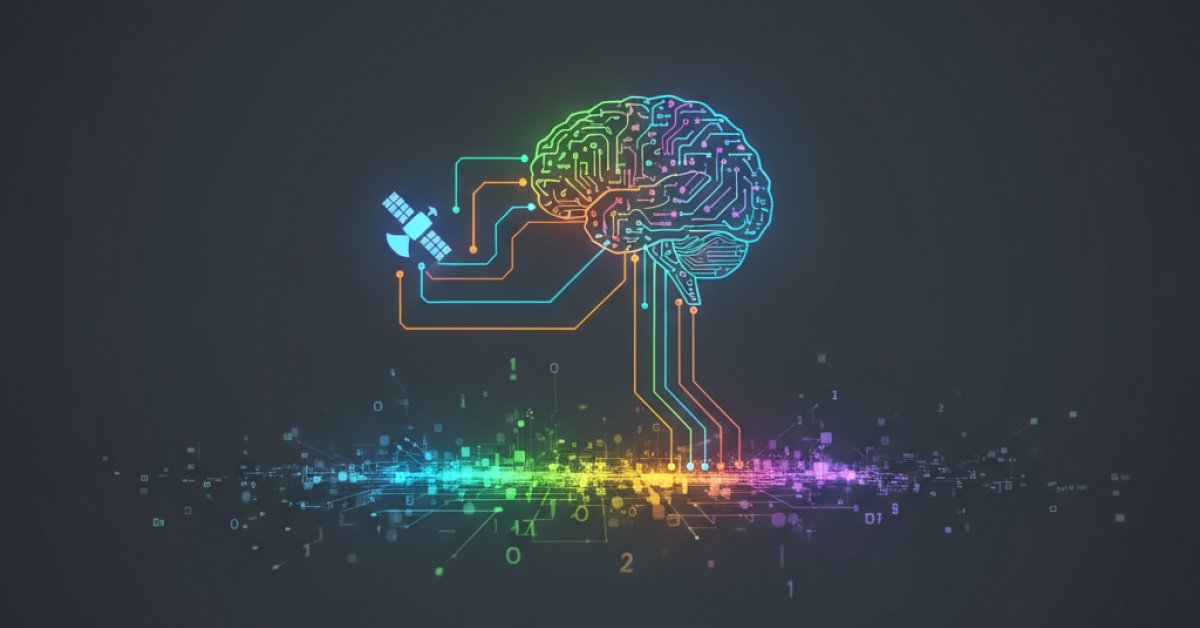
So, what's the fix? One of the most fascinating solutions emerging from the labs sounds like something straight out of science fiction: quantum navigation.
Instead of constantly checking in with satellites, this approach uses the bizarre and wonderful world of quantum physics. By exploiting the quantum nature of light and atoms, you can build hyper-sensitive sensors that let a plane, ship, or drone navigate completely on its own. It’s like having a perfect, un-jammable internal compass that always knows exactly where it is and where it's going, no outside signal required. It's a huge deal, and it could be the key to making our navigation systems truly secure.
A Quick Spin Around the Tech World
It's been a busy week, and a few other stories caught my eye that I think you’ll find interesting.
- AI's Thirst is Real: Lawmakers are finally starting to ask some tough questions about the massive amounts of electricity and water that AI data centers consume. Is the cost of running these things being passed on to us in our utility bills? It’s a complex question, and it’s one we need to answer.
- The Government's New "Tech Force": The Trump administration launched something called the US Tech Force to lure engineers away from Big Tech and into government work. The goal is to modernize creaky old government systems. The irony? It sounds a lot like a program that was already doing great work before it got shut down. As Eugene Vinitsky, a professor at NYU, put it on Bluesky: “So the federal government deleted 18F, which was doing great work modernizing the government, and then replaced it with a clone? What is the point of all this?” A fair question.
- Ford Hits the Brakes on a Big EV: In a sign of the shifting tides, Ford has decided not to make a large, all-electric truck after all. Instead, the F-150 Lightning pickup is going to be reborn as a plug-in hybrid. It seems the initial rush for giant EVs is cooling, and automakers are hedging their bets.
- Hollywood's AI Drama: The entertainment industry is completely split on AI. You have some filmmakers who are diving in headfirst, using it to create incredible new visuals. On the other hand, you have actors who are, understandably, terrified that it's coming for their jobs and their likenesses. This is a fight that's only just getting started.
My Favorite Story of the Week: AI Fortune Tellers
Every now and then, you see a use for technology that you just never would have predicted. This is one of those times.
In China, a homegrown AI called DeepSeek has become a massive hit. But people aren't just using it to write emails or code. Young people across the country are using it to revive ancient fortune-telling practices.
Seriously. They're feeding it prompts based on ancient spiritual texts, sharing their AI-generated readings on social media, and basically using this cutting-edge tech to connect with something deeply traditional. It’s happening during a time of pretty widespread anxiety and pessimism in Chinese society. For many young people, turning to an AI for a glimpse into the future is a way to find a little bit of control and hope in an uncertain world.
It’s just a beautiful, unexpected reminder that no matter how advanced our tools get, we’ll always find ways to adapt them to our most basic human needs: connection, meaning, and a little bit of guidance.
And Finally, a Little Something to Brighten Your Day...
After all that serious talk, let's end on a lighter note. It’s easy to get bogged down in the challenges, but we can still have nice things.
- Did you know people were playing chess "online" as far back as the 1800s? It's true! They used telegraphs to send their moves back and forth.
- Filmmaker Rob Reiner's work is just timeless. If you need a feel-good movie, you can’t go wrong with The Princess Bride or When Harry Met Sally. A true legend.
That’s all from me for now. It’s a wild time to be watching the world of tech, and it’s more important than ever to keep a clear head about it all. The hype is fun, but the reality is where the truly interesting stuff happens.