It feels like every week in tech is a whirlwind, doesn't it? You blink, and suddenly a company is aiming for a valuation bigger than most countries' economies, AI is getting into politics, and someone's trying to scam people using a very old tortoise. It’s a lot to keep up with.
So, let's just cut through the noise. Think of this as your weekly catch-up with a friend who spends way too much time online, figuring out what’s actually important, what’s just plain weird, and what you should probably know about.
Grab your coffee. We’ve got a lot to talk about, from the new space race to the quiet battles being fought over AI’s future.
First, a Quick Heads-Up: Your Wallet Might Feel This
Before we get into the wild stuff, here’s a quick note on something that might hit closer to home. We’re all seeing the soaring fuel prices, right? Well, that ripple effect might be about to hit plastics in a big way.
Plastics are made from petrochemicals—basically, fossil fuels. With the ongoing conflict in Iran impacting supply chains, the cost of making everything from water bottles to car parts could start climbing. It’s one of those unpredictable, knock-on effects of global events that ends up impacting the tech we use every day. Just something to keep an eye on.
Is Elon Musk About to Become the World's First Trillionaire?
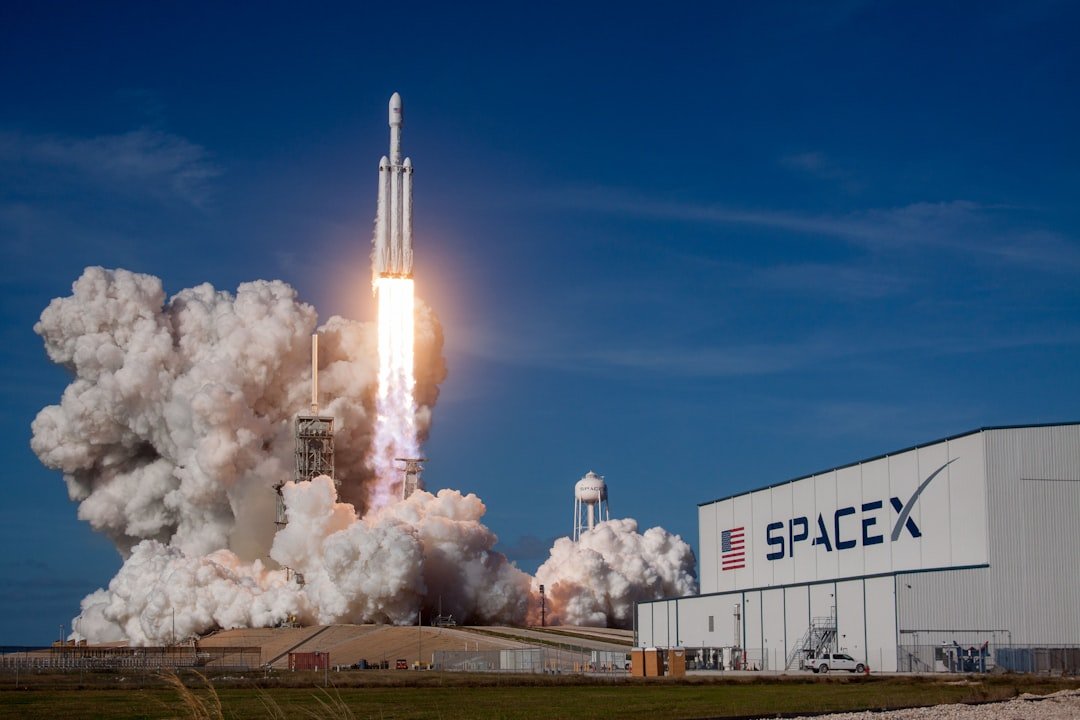
Alright, let's get to the big one: SpaceX has filed for an IPO. And it's not just any IPO. They're targeting a valuation of $1.75 trillion.
Let that sink in for a second. That's not just a massive number; it would be the largest IPO in history. If it goes through, it would almost certainly make Elon Musk the world's first trillionaire. It’s a mind-boggling amount of money that puts the company in a league of its own.
But here’s the thing—it’s not a done deal. This whole thing is a high-stakes bet with some serious strings attached.
- It all hinges on the Moon: A lot of this valuation is banking on the success of future missions, particularly the ambitious plans to return to the Moon. If those missions stumble, so could the IPO.
- The conflicts of interest are wild: When you have one person at the helm of SpaceX, Tesla, and X (formerly Twitter), the lines get blurry. Regulators and investors are going to be looking at this with a magnifying glass.
- Starlink is the real MVP: One market strategist, Shay Boloor, put it perfectly: “Starlink is the only reason this valuation is defensible.” The satellite internet service is the golden goose here, and its continued growth is what Wall Street is really betting on.
While SpaceX is shooting for the stars (literally), its rivals are not just sitting around. The space industry is heating up, and we're seeing more and more companies trying to challenge SpaceX's dominance.
Meanwhile, Artemis II is Officially on Its Way
Speaking of space, NASA’s Artemis II mission is a go! The four-person crew successfully launched yesterday, marking a huge step in humanity’s return to the Moon. It’s genuinely exciting stuff and a massive win for the NASA team.
Of course, it wouldn't be a major tech endeavor without some controversy. Some legal experts are raising flags, arguing that the plans for lunar exploration and resource use might violate international space law. It’s a classic tech dilemma: our capabilities are moving faster than our rules and ethics. Still, the potential for scientific discovery is absolutely massive.
The Digital Battlefield Heats Up
Back on Earth, the cyber conflicts are escalating. Iran made good on its promise to hit U.S. companies, striking Amazon’s AWS cloud business in Bahrain—again.
This isn’t an isolated incident. They’ve been targeting data centers for a while, and the list of potential targets includes pretty much every big name in tech: Google, Microsoft, Apple, and Nvidia. It’s a stark reminder that our digital infrastructure is a major front in modern geopolitical conflicts.
OpenAI's Quiet Political Game
This one is fascinating and a little unsettling. It turns out OpenAI was secretly the force behind a child safety campaign group. This group was pushing hard for age verification requirements for using AI tools.
On the surface, it sounds reasonable. But then you dig a little deeper.
OpenAI was apparently backing this legislation as a "compromise," likely to head off even stricter regulations. But here's the kicker: Sam Altman, OpenAI's CEO, also happens to head a company that provides—you guessed it—age verification technology.
It feels… messy. It's a perfect example of how the lines between public good, corporate interest, and personal investment can get incredibly blurry in Silicon Valley.
Anthropic Scrambles to Contain a Major Leak
It’s been a rough week for Anthropic, one of OpenAI’s biggest rivals. The company is in full-on damage control mode after a huge leak of its "Claude Code."
They’re trying to scrub about 8,000 copies of the exposed code from GitHub after an executive blamed the whole thing on "process errors." Leaks like this are more than just embarrassing; they can reveal a company's secret sauce and future plans. It also highlights a bigger problem: as AI gets more powerful, it’s also making it easier for bad actors to cause chaos online.
What Else Is Happening in the World of Tech?
A few other quick-hit stories caught my eye this week. They paint a picture of a tech world that’s consolidating power in some places and fragmenting in others.
- Russia’s “Super-App”: The Kremlin is backing a new app designed to be like China’s WeChat—an all-in-one platform for messaging, payments, and services. The not-so-hidden agenda? Giving the government a powerful new tool for surveillance.
- America’s AI Lead: A new report shows that the U.S. AI boom is leaving the rest of the world in the dust. This isn't just about innovation; it’s concentrating immense power and wealth into a handful of American tech giants.
- China’s Chipmakers Fight Back: In the ongoing chip war, Chinese semiconductor companies have managed to capture nearly half of their home market. Nvidia’s once-unbeatable lead is shrinking fast, showing just how quickly things can change.
- The Quantum Threat is Getting Real: New research suggests that the first quantum computer capable of breaking our current encryption standards is closer than we think. It’s a race against time for security experts to develop quantum-resistant security before it's too late.
- And... a Tortoise Crypto Scam: In the "you can't make this stuff up" category, the world's oldest tortoise, Jonathan (he’s 194!), got caught up in a crypto scam. Thankfully, reports of his death were greatly exaggerated. It's a weird, wonderful reminder to always be skeptical online.
And For Something Completely Different: Dinner Made from Thin Air?
Just when you think you’ve heard it all, you learn about companies that are literally creating food out of thin air.
It sounds like science fiction, but it’s real. A new wave of biotech startups are using special carbon-guzzling bacteria to turn carbon dioxide into a nutritious, edible "air protein." Think of it like a brewery, but instead of yeast turning sugar into beer, you have bacteria turning CO2 into food.
Their goal is to dramatically lower emissions from traditional farming and maybe, just maybe, change how we feed the world. It’s one of those wild, ambitious ideas that could either fizzle out or completely reshape an entire industry.
And that’s the world of tech for you. One minute you're talking about trillion-dollar IPOs, and the next you're contemplating eating protein made from air. It never stops, and honestly, I wouldn't have it any other way.