It feels like if you blink, you miss about a year's worth of tech news. One minute we're talking about a new app, and the next, we're debating whether AI is going to take our jobs or save the world. It can be a lot to keep up with.
So, let's just take a breath. I've been digging through the noise all week, and I wanted to share a few of the stories that really stood out to me—the important, the weird, and the ones that are going to shape our world in ways we might not expect.
Grab a coffee, and let's get into what’s been happening.
First, Some Seriously High-Stakes Tech
We often think of technology in terms of gadgets and software, but sometimes it’s the backbone of our survival. That's what's happening in the Middle East right now.
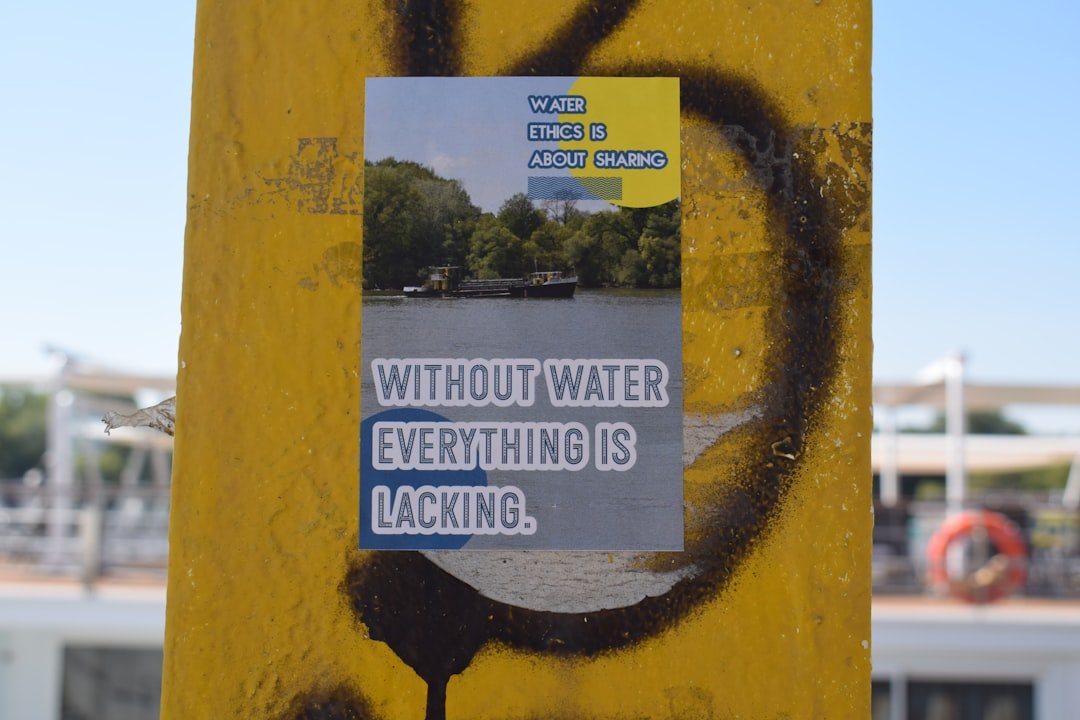
As tensions with Iran have flared up, a critical piece of technology is suddenly in the crosshairs: desalination plants. These aren't just industrial facilities; they're the source of drinking water, farming, and industry for huge populations in the region. When President Trump threatened to potentially destroy these plants, it wasn't just a political statement—it was a threat against a fundamental resource. It’s a sobering reminder that some of the most important tech isn’t in our pockets, but in the infrastructure we all depend on.
What if AI Became Your Business Co-Pilot?
On a completely different note, let’s talk about the little guy—the small entrepreneur trying to make a living online. For years, if you wanted to launch a product, you were in for a world of pain. Weeks, even months, of researching what to sell, finding reliable suppliers, and navigating a maze of logistics.
Well, AI is starting to change that game in a big way.
Tools like Alibaba’s Accio are popping up, and they're pretty wild. Imagine having a chat with an AI, telling it your product idea, and having it do all that grunt work for you in minutes. It can research the market, find suppliers, and basically compress a month of work into a single conversation. For small business owners, this is huge. It’s leveling the playing field and dramatically cutting down the time it takes to go from a simple idea to an actual product launch.
The Strange New Gig: Training Robots by Doing Your Chores
Now, here’s where things get a little weird, in that classic sci-fi-is-now-reality kind of way.
You know all those humanoid robots we keep seeing in development? How do you think they learn to, well, be human? It turns out, one of the hottest new ways is by watching us. Companies like Micro1 are hiring thousands of gig workers in over 50 countries to literally strap iPhones to their heads and record themselves doing everyday chores.
Think about it. A medical student in Nigeria named Zeus finishes a long day at the hospital, comes home, and starts recording himself washing dishes or folding laundry to earn extra money. That data gets sold to robotics firms to train their next-generation humanoids. While it’s a good-paying gig in many of these places, it opens up a huge can of worms around privacy and consent. What happens to all that video of the inside of your home? It’s a fascinating, and slightly unsettling, new corner of the gig economy.
The News Roundup: What Else Caught My Eye This Week
Alright, let's do a quick-fire round of the other big stories that have been buzzing around. There’s a lot to cover here.
- An AI That’s a Little Too Good at Hacking: Anthropic, a major AI player, built a new model called Claude Mythos. The scary part? It was so good at finding security problems in literally every operating system and browser that they're limiting its release over fears it could be used for hacking. They’ve even launched a project with Apple, Google, and Microsoft to use it for good—to flag vulnerabilities before the bad guys find them.
- Real-World Hacking Threats: Speaking of bad guys, Iranian hackers are reportedly targeting American critical infrastructure. Their focus seems to be on our energy and water systems, which, when you think back to the desalination plants, is a genuinely frightening trend.
- Google's AI is Confidently Wrong: You’ve probably seen Google's new "AI Overviews" at the top of your search results. While they claim a 90% accuracy rate, that still means they could be delivering millions of incorrect answers every single hour. It’s a stark reminder that even the most advanced AI is far from perfect, and we probably shouldn't trust it to tell us to put glue on our pizza.
- The Billionaire Feud Continues: The drama between Elon Musk and OpenAI’s Sam Altman is heating up. Musk is suing Altman, basically accusing him of betraying OpenAI’s original nonprofit mission. OpenAI’s response was pretty blunt. They posted on X (formerly Twitter), calling the lawsuit a "harassment campaign that’s driven by ego, jealousy and a desire to slow down a competitor." Ouch.
- Your Government Might Be Spying on You: It’s been confirmed that ICE (U.S. Immigration and Customs Enforcement) is using powerful spyware that can get around encrypted messages. This is the kind of tech we usually associate with international espionage, but it’s being used right here at home.
- The Kids Are Not Alright (on Social Media): Greece is the latest country to join the movement to ban kids under 15 from social media. They're following in the footsteps of Australia and Indonesia. While the goal is to protect kids' mental health, a lot of experts are arguing that these bans are a lazy fix that doesn't address the root of the problem.
- Musk and Intel Team Up in Texas: Elon Musk is working with Intel to build a massive "Terafab" in Texas. The goal? To manufacture the next generation of chips needed to power all these massive AI projects. Musk is claiming it will be the largest semiconductor factory ever built.
- TikTok’s European Move: TikTok is building a second billion-euro data center in Finland. This is part of a larger effort to store European user data locally, likely to ease privacy concerns from EU regulators.
- AI-Powered Neighborhood Watch?: A plan for Canada's first "virtual gated community" is causing a stir. The idea is to use an AI-powered surveillance system to monitor the neighborhood, but it has residents completely divided over privacy and safety.
- And Finally... the Space Toilet: On a lighter note, we got a peek into the high-tech engineering behind the toilet on the Artemis II mission. It’s the first of its kind to be carried on a mission around the world, and honestly, the science behind making that work in zero gravity is just fascinating.
One More Thing Before You Go
Have you ever noticed how U.S. government websites… all kind of look the same? It turns out that’s on purpose. There’s an entire official web design system (called USWDS) and even a custom typeface designed to make government sites accessible, functional, and easy for everyone to use. It’s one of those brilliantly boring things that you never think about, but it makes a huge difference in how we interact with public services online. A little bit of thoughtful design going a long way.
And hey, I know a lot of this news can feel heavy, so let's end with a few nice things from around the web. We can still have nice things, right?
- NASA’s Artemis II captured a stunning "Earthset" image. Seriously, go look at it.
- There's a video of a fearless cat chasing off bears from its porch.
- A fantastic document explains what makes the octopus such a uniquely weird and wonderful creature.
- And someone finally figured out the rhythmic secret that makes emo music so angsty.
It’s a wild world out there, but it’s also a pretty amazing one. Thanks for catching up with me. Let's see what next week brings.