It feels like you can’t scroll through tech news these days without seeing another headline about OpenAI. And honestly, for a little while there, it was all pretty exciting. But lately, the vibe has definitely shifted. The drama seems to be piling up, and it’s getting harder to ignore.
This isn't just about one little misstep. It’s a series of events that, when you line them all up, start to paint a pretty concerning picture. We're talking about everything from high-profile lawsuits to some serious questions about their "trust and safety" promises.
So, let's unpack what’s going on. Is this just a rough patch for the company that brought us ChatGPT, or are we watching the beginning of a real shift in the AI power balance? And more importantly, who stands to gain if OpenAI stumbles?
The Legal Headaches are Piling Up
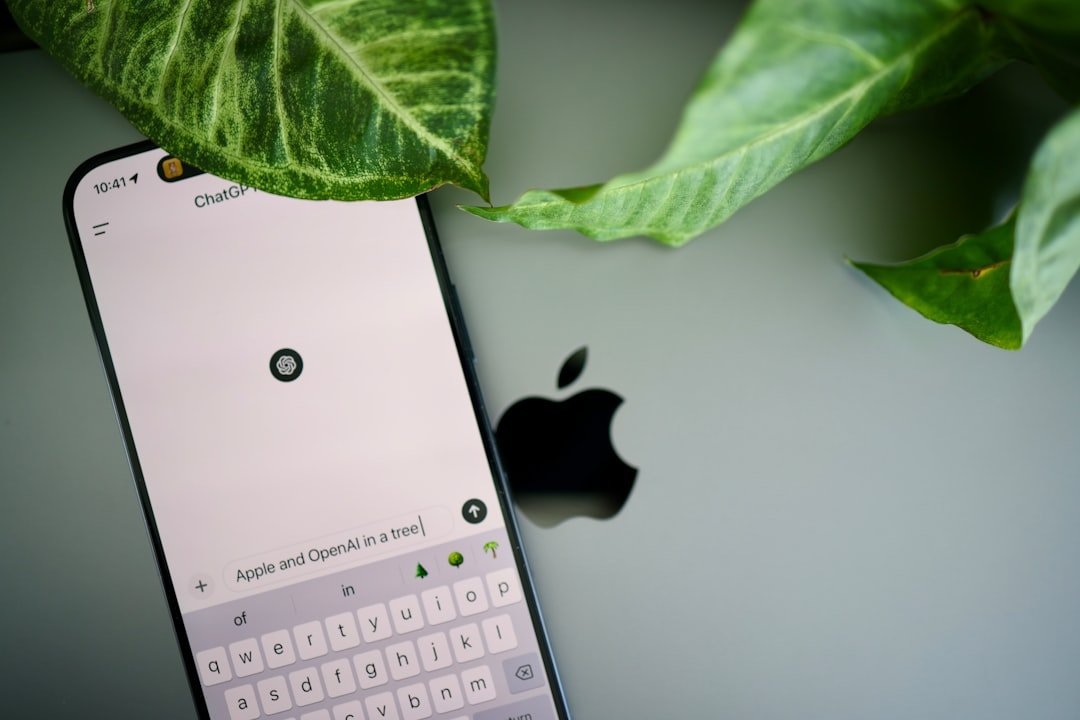
First up, let's talk about the elephant in the room: the lawsuits. We’ve seen a bunch of them, from authors to news organizations, but the latest rumor is a big one. Word on the street is that Apple is suing OpenAI.
Now, this is huge. Apple isn't some small-time player; they’re a titan. While the exact details are still a bit murky, the general idea is that this likely revolves around how OpenAI trained its models. Think about it: to make an AI that "knows" everything, you have to feed it a mind-boggling amount of data. Books, articles, websites, photos—you name it.
The big question everyone is asking is: did they have the right to use all of that data?
Many creators and companies are saying, "Absolutely not." They argue that OpenAI essentially scraped the entire internet, including their copyrighted work, without permission and without paying for it. It’s like a musician sampling another artist's song without clearing it first, but on a planetary scale.
An Apple lawsuit would pour gasoline on this fire. It gives the copyright argument a massive dose of credibility and, frankly, a ton of cash to back it up. This isn't just a legal problem for OpenAI; it's an existential one. If courts decide that their training methods were illegal, it could fundamentally break their entire business model.
It’s Not Just Lawsuits, It’s a Trust Problem
Here’s the thing, though. The legal battles are only part of the story. The court of public opinion is just as important, and OpenAI has been taking a beating there, too.
Remember the whole Scarlett Johansson "Sky" voice drama? It left a really bad taste in a lot of people's mouths. It made the company look sneaky and arrogant, even if they claimed it was all a big misunderstanding. It fed into a growing fear that these powerful AI companies are moving too fast and not thinking about the consequences.
When you add that to the news of their key safety team members resigning, it just looks… bad. These were the people whose job was to make sure AI didn't go off the rails, and they left, with some publicly saying the company was prioritizing "shiny products" over safety.
That’s a tough look. It makes you wonder if they’re truly committed to building AI responsibly. And in a field this new and powerful, trust is everything. Once you lose it, it's incredibly hard to get back.
Is Anthropic Waiting in the Wings?
So, while OpenAI is busy putting out fires, their biggest rival is quietly getting stronger. I'm talking about Anthropic, the company behind the AI model Claude.
Think of it like a race. OpenAI shot out of the gates and has been the frontrunner for a while. But now, they're stumbling. They’re getting tangled up in legal tape and tripping over their own PR crises.
Meanwhile, Anthropic has been running a steady, consistent race. They've positioned themselves from the very beginning as the "safe and ethical" AI company. It's baked into their DNA. Their whole marketing pitch is, "We’re the responsible ones."
Every time OpenAI has a scandal, Anthropic’s message looks more appealing. Big companies looking to integrate AI are watching all of this. They want powerful technology, sure, but they don't want the legal headaches or the bad press. If they start seeing OpenAI as a risky bet, you can be sure they’ll start looking at the safer alternative.
This is the real danger for OpenAI. It's not just about one lawsuit or one bad headline. It's that all these small cuts could lead to them bleeding out their lead in the market.
A Quick Detour: The Physical Side of AI
While we're talking about the challenges of AI, it’s not all just about code and data. The physical infrastructure that powers all of this is a massive deal, and it’s causing its own set of problems.
Case in point: New York is starting to take a hard look at data centers.
These giant, power-hungry warehouses are the engines of the digital world, and AI is demanding more and more of them. They consume an absolutely staggering amount of electricity and water for cooling.
So, New York is starting to ask some tough questions about where these things can be built and how much energy they can use. It's a classic conflict: we all want the magic of AI, but we don't want the environmental impact that comes with it. It’s a problem that’s only going to get bigger, and it’s something every tech company, not just OpenAI, is going to have to deal with.
And just as a quick aside on things to be aware of, health officials are also flagging a rise in cases of Cyclosporiasis. It’s a nasty intestinal illness caused by a parasite, often found in contaminated fresh produce. It has nothing to do with AI, of course, but it’s a good reminder that while we’re focused on digital threats, it’s always smart to keep an eye on the real-world ones, too.
But back to the AI world. The next year is going to be absolutely critical for OpenAI. They're still the biggest name in the game, the one your parents have actually heard of. But that might not be enough. They need to navigate these lawsuits, rebuild public trust, and convince the world they’re serious about safety.
If they can’t, we might look back on this period as the moment the AI race got a whole lot more interesting. The top spot is OpenAI's to lose, and right now, they seem to be doing everything they can to give their competitors a fighting chance. We'll just have to wait and see who crosses the finish line first.