Every so often, a piece of tech news lands that doesn’t just feel like an update, but like a postcard from the future. This week, I got one of those from a creative tech startup in India called Pixazo.
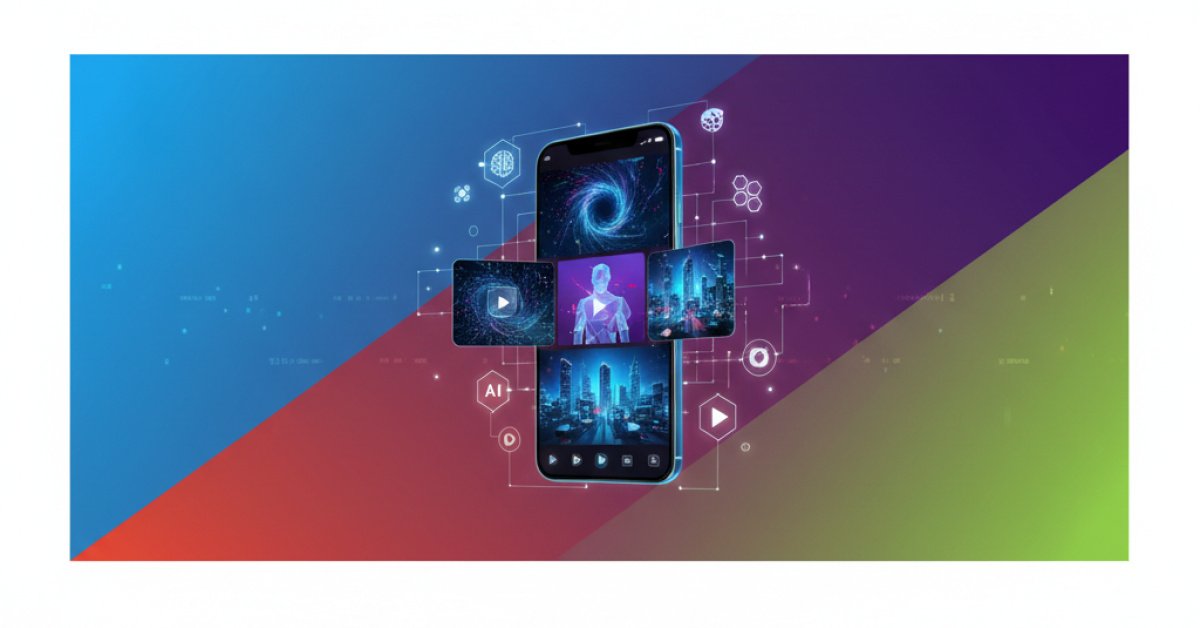
On the surface, the announcement was pretty straightforward: they're adding AI video generation to their API suite. If you’re not a developer, “API suite” probably sounds a bit dry. But stick with me, because what this actually means is wild.
Imagine you're building an app. Now, imagine you could type a few sentences of a script, maybe upload a product photo, and have a fully-realized video ad pop out minutes later. No cameras, no actors, no expensive editing software. That’s what Pixazo just did. They’ve essentially bottled the role of a film director and are letting anyone plug it into their own projects. This isn't science fiction anymore; it’s just a few lines of code.
So, How Does This Actually Work?
Think of an API like a power outlet in your wall. You don't need to know how the city’s power grid works to plug in your toaster and get it to do its job. Pixazo has built the power grid for AI video, and now developers can just "plug in" their apps to get high-quality video on demand.
This is a huge deal. For years, creating video has been a massive hurdle. It's expensive, time-consuming, and requires a ton of specialized skills. What Pixazo and others are doing is tearing down that wall completely.
We’re talking about a world where:
- A small e-commerce store can generate unique video ads for every single product in its catalog.
- An educational app can create animated explainers on the fly, tailored to a student's questions.
- A social media manager can turn a simple blog post into an engaging video summary in less time than it takes to drink their morning coffee.
It’s a fundamental shift in who gets to be a video creator. And honestly, it’s happening faster than any of us expected.
This Isn't Just One Company's Big Idea
Pixazo’s move is part of a much bigger wave we're all seeing. Just a little while ago, OpenAI started rolling out its mind-blowing Sora video generator on Android. Suddenly, creating something that looks like it was shot for a movie is possible on the device you use to order pizza.
The line between a professional filmmaker and a person with a phone is getting blurrier by the day. And let's be real, that’s both incredibly exciting and a little bit terrifying. The question "Who shot this?" used to have a simple answer. Soon, the answer might just be "an algorithm."
But what I find particularly cool about Pixazo’s announcement is its focus on access. While the big dogs like Google and OpenAI are grabbing all the headlines, smaller startups like Pixazo are quietly working to get these powerful tools into more hands. They’re effectively saying, “You don’t need a Silicon Valley budget or a supercomputer to make something amazing.” In a place as creative and dynamic as India, that’s a game-changer.
The Money and The Mess
And of course, where there’s this much heat, the money follows. A recent report from Pulse2 mentioned another company, Video Rebirth, raising a cool $50 million. Investors are betting big that AI-generated video is the next frontier, and they're probably right. We're on the cusp of it becoming as common as stock photography.
But this brings us to the messy part. As these tools become more common, the conversation around authenticity is getting a lot louder. It’s the elephant in the room every time a new AI generator is announced.
We're already seeing platforms grapple with this. There was a big policy discussion recently around YouTube’s plans for its Veo 3 model in Shorts. How should they handle these clips? Do you label them with a big "AI-Generated" watermark? Do you treat them just like any other video?
It’s a tough needle to thread. On one hand, you don’t want to stifle creativity. On the other, the potential for misinformation is staggering. Personally, I find this tension fascinating. It feels like we're watching the invention of the printing press all over again, but this time the pages can talk, move, and maybe even lie to you.
Where Do We Go From Here?
Tools like the one Pixazo just released won't just change how we make videos. They're going to fundamentally change how we think about storytelling.
When anyone can conjure a photorealistic scene from thin air, what does it mean to be a "creator"? What happens when the AI starts improvising, adding details to a scene that you never even asked for? We’re moving from being creators to being curators, guiding an AI that has its own strange, digital imagination.
Whether you see all this as a massive opportunity or a major threat probably depends on your job title. For a developer, it’s a gold rush. For a traditional video artist, it’s a new, formidable competitor. For the rest of us, it’s probably a bit of both.
But one thing is crystal clear: the game is changing. With companies like Pixazo putting this power into the hands of the many, the next blockbuster hit might not come from a Hollywood studio. It might just come from a single API call. And I, for one, can't wait to see what people create.