Imagine this. You walk into work on Monday, and your boss pulls you aside. “We’ve got a new team member starting today. Their name is Alex, and they’ll be reporting to you.”
Great, you think. A little help would be nice.
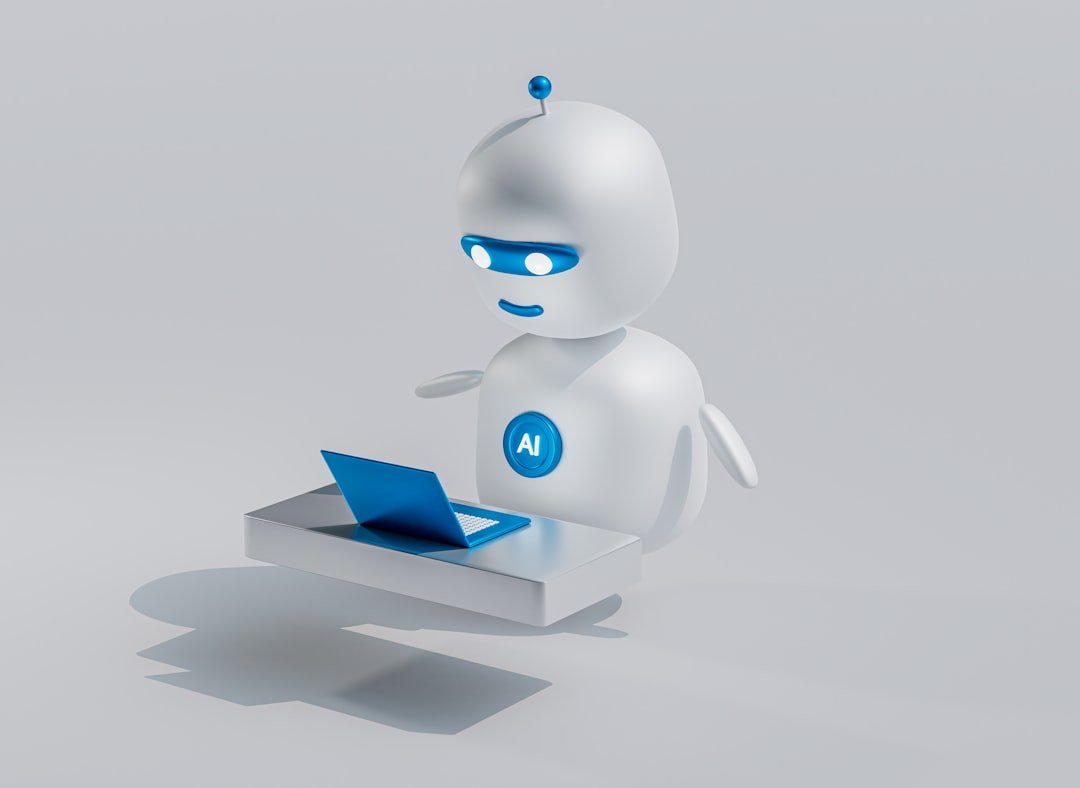
But then you meet Alex. And Alex isn’t a person. Alex is an AI tool, a piece of software your company has decided to personify with a name, a title, and a spot on the org chart.
How do you think that’s going to go?
If you’re like most people, your first reaction might be a mix of curiosity and maybe a little bit of weirdness. But according to some really eye-opening new research, this seemingly harmless branding trick—calling an AI an “employee”—doesn’t just feel odd. It actively makes you worse at your job.
It's Not Just a Name, It's a Psychological Trap
Let’s talk about a study from Emma Wiles, a business professor at Boston University. She wanted to figure out if what we call an AI changes how we work with it. And boy, does it ever.
Wiles found that when managers were told a piece of work was done by "Alex, the AI employee," they caught a staggering 18% fewer errors than when they were told the exact same work came from a simple "chatbot" or software tool.
Let that sink in for a second. Just giving the AI a human-like identity made people less critical, less attentive, and ultimately, less effective.
But it gets even more concerning. When the AI was framed as an employee, the human managers in the study were also 44% more likely to just pass its questionable work up the chain to their own boss for another look. They didn't trust their own judgment to correct the AI's mistakes.
Think about what that means. The whole point of using these advanced AI agents is to save time and increase efficiency. But by calling it a "coworker," companies are creating a situation where people abdicate their own responsibility and create more work for everyone else. It completely backfires.
Silicon Valley Is All-In on the "Digital Colleague"
This isn't some fringe idea. The biggest names in tech are sprinting toward this future.
Nvidia’s CEO, Jensen Huang, has been talking about workplaces filled with “digital humans” for a while now. And just in the last few months, we've seen Microsoft, OpenAI, Google, and Anthropic all roll out new tools designed to work as teams of AI agents. They're not shy about it, either—they're explicitly marketing them as digital colleagues.
And it seems to be catching on. In Wiles's study of over 1,200 managers, nearly a third said their companies already describe AI agents as employees. A shocking 23% said these AI "employees" are even listed on the official company org chart.
I get the appeal, I really do. It sounds futuristic and cool. But we’re jumping the gun. These tools, known as "agents," are definitely getting better at complex tasks. You can think of them as AI that works in a loop, trying things over and over until it hits a goal you set. That’s a big step up from a simple chatbot.
But it’s a massive, and I think dangerous, leap from “smart tool” to “coworker.” It sets completely unrealistic expectations for what the AI can actually do, and it leaves the human employees in a terrible position.
The Real Danger: A Convenient Scapegoat
Here’s the thing that really worries me. When we treat an AI like a person, it inverts our whole sense of who’s in charge.
The study showed that when Alex was an "employee," the human managers felt less responsible for the final output. It wasn't their work, it was Alex's.
This creates a perfect setup for blame-shifting. When an AI agent is embedded in something critical—like healthcare, finance, or even the military—it becomes a convenient place to dump blame when things go wrong.
Remember the story about a bomb strike on a school in Iran? The popular narrative quickly became that an AI named Claude was responsible. But all the evidence pointed to a chain of very human errors and bad decisions. The AI was just the final, easiest thing to point a finger at.
This is exactly what Daron Acemoglu, a Nobel-winning economist at MIT who studies AI's impact, is warning us about. He says, “AI agents right now are being marketed as things that can replace humans, and I think that’s just a losing proposition.”
His point is that we should be building AI to improve what humans can do, not to create fake digital people we can pass the buck to.
What Do We Actually Want From AI?
So, what would a better approach look like?
Instead of tech CEOs telling us what we need, maybe we should ask the people who are actually doing the jobs.
That’s what a team at Stanford did. They talked to 1,500 workers across more than 100 different jobs. They showed them what AI could potentially do and then asked a simple question: "What would actually be helpful for you?"
The answers were fascinating.
- Law clerks didn't want an AI to write their legal briefs. They wanted an AI that could help them track progress across dozens of cases to make sure nothing fell through the cracks.
- Sales reps were told by tech experts that AI would be great at verifying customer credit ratings. The reps said, "No thanks, we absolutely do not want or need that."
It turns out, people don't want a fake coworker. They want a smart, reliable tool that handles the tedious parts of their job so they can focus on the parts that require human judgment, creativity, and connection.
And that brings us back to Alex.
Calling your AI tool "Alex the employee" is a marketing gimmick. It’s a convenient story, especially when something breaks. But it doesn’t make the AI any smarter or more capable.
As we've seen, it just makes the humans around it worse at their jobs. And at the end of the day, we're the ones with real agency, real responsibility, and real intelligence. We deserve better tools, not a digital scapegoat with a name tag.