Have you ever stopped to think about how incredible modern medicine is? We can transplant hearts, kidneys, even faces. But there’s one organ that has always seemed stubbornly off-limits: the human eye.
For as long as I can remember, a whole-eye transplant has been the stuff of science fiction. The dream of taking an eye from a donor and giving sight to someone who has lost it felt impossibly far away. And for good reason. It’s not just a matter of reattaching a few things. The eye is unbelievably complex, and the moment it’s removed from the body, it starts to break down. Fast.
A few years ago, surgeons made a valiant attempt. They transplanted an eye, but sadly, it couldn't see. The challenge just seemed too great. But now, a team of researchers might have found the missing piece of the puzzle, and it comes in the form of a little box.
So, What's the Big Holdup with Eye Transplants?
Let's break down why this is so tough. First, the surgery itself is a nightmare of complexity. You’re dealing with tiny, delicate nerves and blood vessels. But the even bigger hurdle is time.
Think of an eye like a freshly picked piece of fruit. The second you pluck it from the tree, it starts to lose its vitality. It’s cut off from the nutrients and oxygen that keep it alive. The cells begin to degrade almost immediately. By the time you could get it to a recipient and perform the surgery, it’s just not the same organ it was a few hours before.
This rapid decay is the real killer. It's the main reason that past attempts, even when surgically successful, haven't been able to restore vision. How do you keep an eye "alive" long enough to give it a new home?
Meet the 'Eye-in-a-Care-Box'
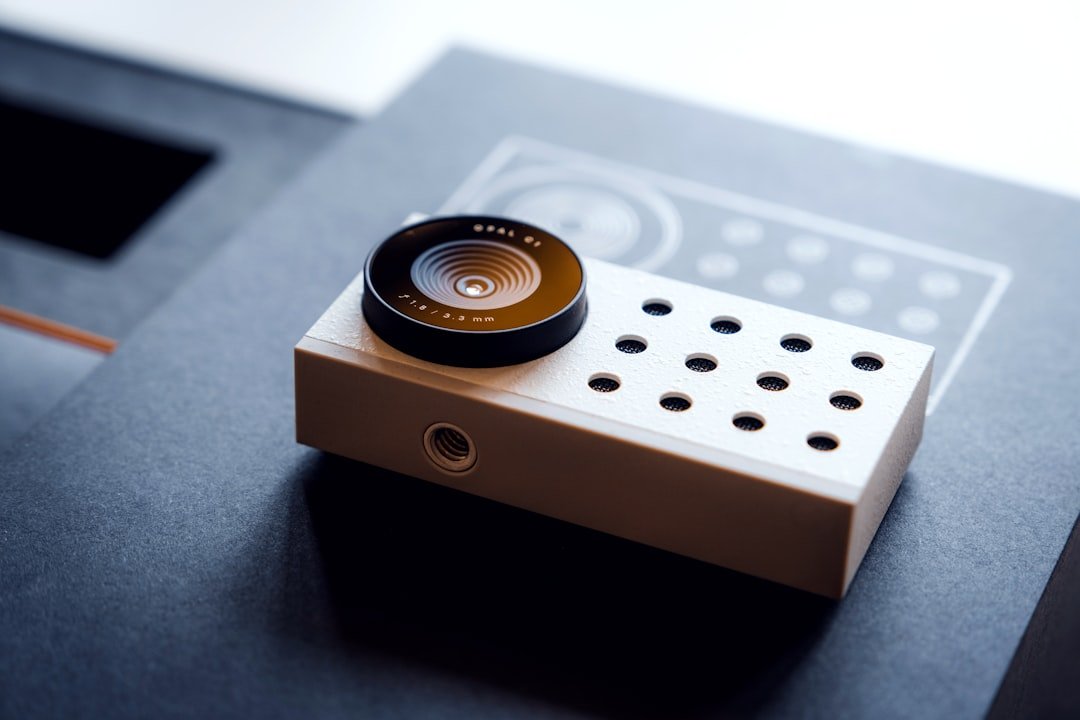
This is where things get really interesting. A team led by Pia Cosma at the Barcelona Institute of Science and Technology has been working on this problem for years. Their solution? A device they call the "Eye-in-a-Care-Box," or ECaBox for short.
Honestly, it’s one of the coolest things I’ve read about in a while.
The concept behind it is called "perfusion." It’s a fancy word for a simple idea: giving a removed organ the stuff it needs to think it’s still in the body. The ECaBox is essentially a high-tech life-support system for an eyeball.
Here’s how it works: The device gently pumps a special, oxygen-rich fluid through the very same artery that normally supplies the eye with blood. The eyeball rests on a little "bed" inside the sealed box, which maintains the perfect temperature and pressure. It even has a little window so the researchers can watch what’s happening inside. It’s like creating a tiny, temporary body just for the eye.
But Does It Actually Work? Here's the Evidence
Okay, a cool-looking box is one thing, but does it do the job? To find out, the team started with pig eyes, which are surprisingly similar to ours and a lot easier to get ahold of (they sourced theirs from a local slaughterhouse).
The results were pretty dramatic.
When they left a pig eye out at room temperature, it started to fall apart quickly. The cells shrank, and the eye’s delicate structure began to degrade. Even sticking it in a fridge at 4°C (about 39°F) didn't help much—it was a goner within 24 hours.
But the eyes they placed in the ECaBox? It was a completely different story. After a full 24 hours, tests showed they were "significantly more viable." The box was working.
Here’s the part that really got me, though. The researchers found that the perfused eyes could still respond to light. Think about that for a second. An eye, completely removed from a body, was still showing the fundamental electrical signals needed for sight. Untreated eyes lost this ability the moment they were removed. But in the ECaBox, that ability came back after about 15 minutes of perfusion and, in some cases, lasted for 10 hours or more.
After their success with pig eyes, the team moved on to the real deal: human eyes. They collected 12 eyes from six donors. For each pair, one eye went into the ECaBox, and the other was used as a control. Just like before, the perfused eyes fared much, much better. Their retinas, the light-sensing part at the back of the eye, were beautifully preserved.
This Is Bigger Than Just Transplants
While the idea of restoring sight is the headline-grabber, this technology could have another massive impact. For years, developing new treatments for eye diseases has often required testing on living animals.
The ECaBox offers a powerful alternative. Imagine being able to test new drugs or therapies on a real, functioning human eye without ever needing a living subject. As Shannon Tessier, an expert in organ perfusion at Massachusetts General Hospital (who wasn't involved in this study), put it, "It could be a new frontier for retina preservation." It’s a more ethical and potentially more accurate way to do research.
Let's Be Realistic: We're Not There Yet, But It's a Huge Step
It's easy to get carried away, but we have to ground ourselves in reality. In May 2023, a team at NYU Langone performed a groundbreaking surgery, transplanting an eye as part of a partial face transplant. The man recovered well, and the eye survived, which was a monumental achievement. But he couldn't see out of it.
That's the final, massive question. We know the ECaBox can keep an eye healthy and even responsive to light. But will that translate to actual vision once it’s transplanted into a person? As Tessier notes, we simply won't know until we try.
The good news is that the team isn't stopping here. They’re already planning to build a portable version of the ECaBox that can be brought right into the operating room. This would allow them to get donor eyes into the life-support system almost instantly, minimizing that crucial decay time even further.
So no, we probably won't be seeing routine eye transplants next year. But for the first time, it feels like we’re on the right path. What was once pure science fiction is now becoming a tangible engineering problem to solve. And that, to me, is incredibly exciting.