Remember spending hours in a friend’s basement, gathered around a rickety ping-pong table? The sound of the hollow plastic ball echoing with every frantic smash and desperate save. It was all about reflexes, a little bit of spin, and trying to outsmart your opponent.
Now, imagine your opponent isn't your friend. It's not even human. It’s a sleek, multi-jointed robotic arm named Ace, and frankly, it’s probably going to wipe the floor with you.
And the crazy part? You’ll be fascinated the entire time. This isn't one of those clunky ball machines that just spits out balls at the same speed and angle. No, Ace is different. It plays the game. It watches you, learns from you, and hits you with shots you never see coming.
So, How Does This Thing Actually Work?
Alright, let's get into the nerdy stuff, because this is where it gets really cool. How can a machine replicate the fluid, intuitive game of table tennis? It’s not magic; it’s a brilliant combination of hardware and some seriously smart AI.
Think of it in three key parts:
1. The Eyes: Superhuman Vision
Ace is equipped with high-speed cameras, kind of like the ones they use to film slow-motion action shots in movies. These cameras track the ball from the second it leaves your paddle. They capture hundreds, if not thousands, of frames per second.
This gives the AI an incredible amount of data to work with—the ball's speed, its spin, its exact location in 3D space. It’s seeing the game in a level of detail we can’t even comprehend. While we’re just starting to react, Ace has already calculated the ball's entire flight path.
2. The Brain: Predictive AI
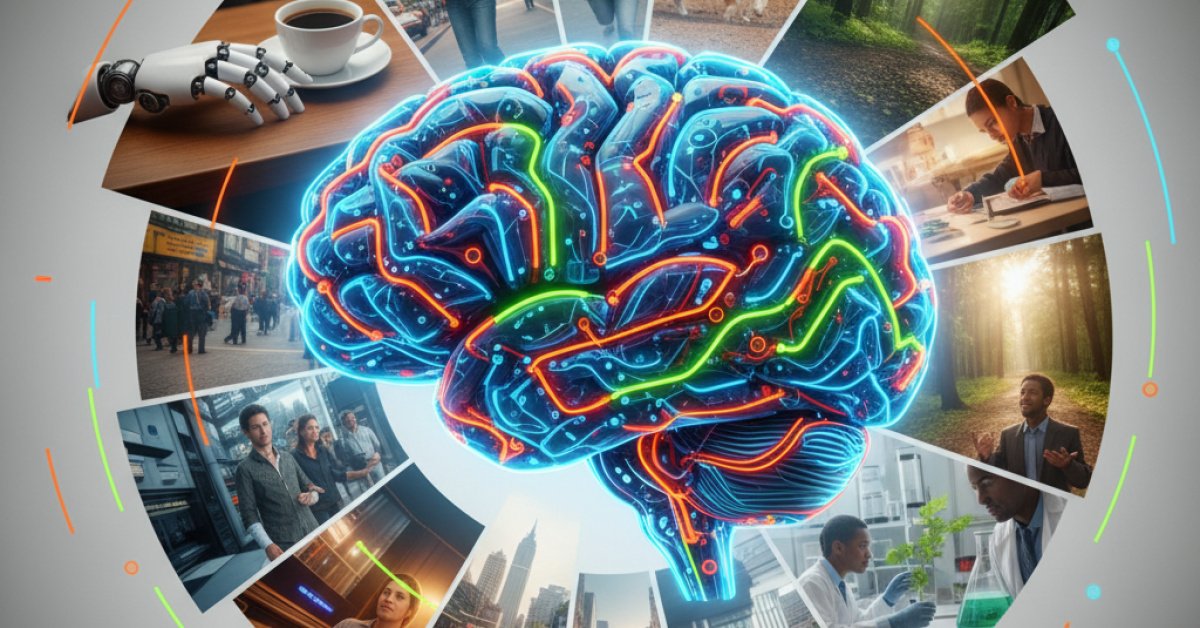
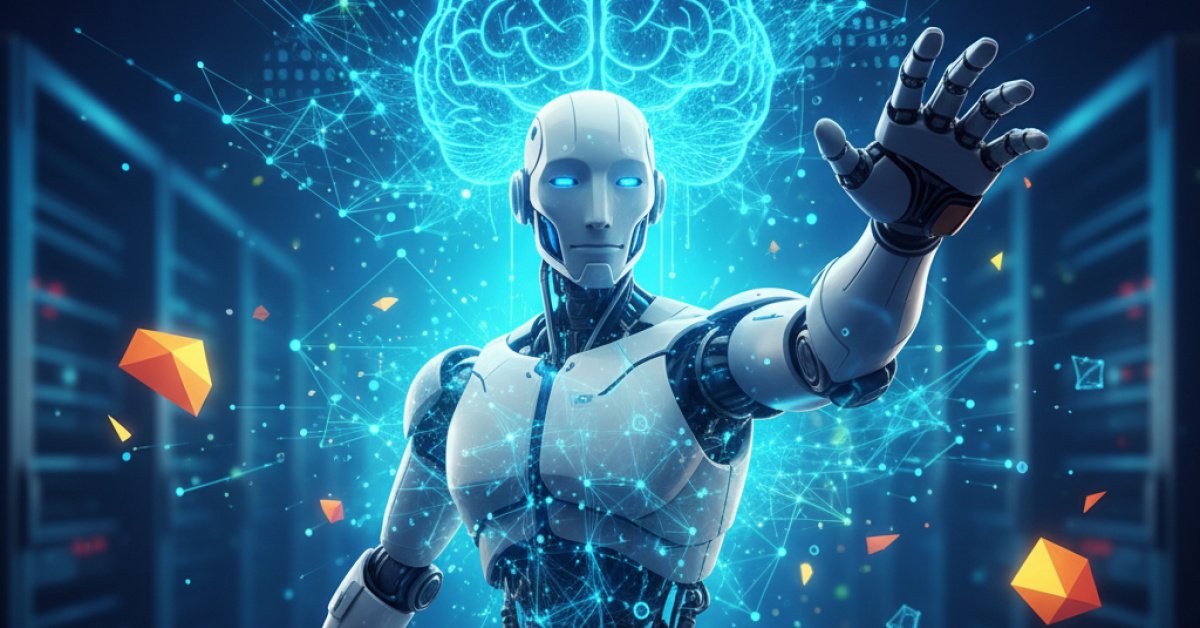
This is the secret sauce. All that visual data from the cameras gets fed into a powerful AI model. This isn't just simple code; it's a neural network that's been trained on countless hours of ping-pong matches. It’s learned the physics of a spinning ball, the common patterns of human players, and the optimal way to return any given shot.
In the fraction of a second it takes for the ball to cross the net, Ace’s brain predicts where the ball will land and what kind of bounce it will have. But it doesn't stop there. It also decides on the best possible return—should it be a soft lob? A vicious topspin? A sneaky slice? The AI makes a strategic decision in an instant.
3. The Body: A Lightning-Fast Robotic Arm
Once the brain makes a decision, it sends a command to the robotic arm. This arm is a marvel of engineering, capable of moving with incredible speed and precision. It can instantly adjust the paddle's angle, height, and position to execute the perfect shot chosen by the AI.
The result is a seamless, fluid motion that looks eerily human. It's not just returning the ball; it's placing it with intent.
This Isn't Your Dad's Ball Machine
I really want to hammer this point home. The ping-pong machines we're used to are basically just cannons. They shoot balls at you. They're great for practicing your forehand over and over, but they don’t teach you how to play. They don't have a conversation with you.
Ace is different. It engages in a rally.
When you play against Ace, you're in a dynamic exchange. It responds to your shots. If you send a slow, loopy shot, it might just gently return it. But if you try to smash one past it, it will react with a powerful block or a blistering counter-attack.
It’s this ability to keep the exchange alive that’s so remarkable. It can adapt its difficulty, providing a gentle rally for a beginner or a grueling, high-speed match for a seasoned pro. It’s a sparring partner that never gets tired, never gets frustrated, and always pushes you to be better.
Okay, But Why Build a Ping-Pong Robot?
It’s a fair question. Is this just an incredibly over-engineered toy for tech billionaires? While it’s definitely fun, the technology behind Ace has some pretty serious implications that go way beyond the game room.
For one, think about professional athletic training. Imagine a pro tennis player or a baseball batter having a training partner that can replicate the exact serve of their biggest rival, over and over again, with perfect consistency. That’s a level of customized training we've never seen before.
But let's zoom out even further. The core technology—using high-speed vision to predict the trajectory of a moving object and react to it in real-time—is incredibly valuable.
You could see this in:
- Advanced Manufacturing: Robots that can catch falling parts on an assembly line or make micro-adjustments on the fly.
- Autonomous Vehicles: A car that can predict the path of a bouncing ball (or a running child) and react instantly.
- Logistics: Warehouse robots that can sort and handle packages of varying shapes and sizes with more speed and accuracy.
Ace, in a way, is a fun and friendly proof-of-concept for technology that could change how we work and live.
The Human Touch Is Still King... For Now
So, does this mean human ping-pong partners are obsolete? I don't think so.
As amazing as Ace is, it lacks something fundamental: the human element. It doesn't get nervous on match point. It doesn't try to psych you out with a well-timed taunt. It doesn't celebrate a great shot with a fist pump.
Playing a sport against another person is about more than just the mechanics. It's a psychological battle, a social connection. And for now, that's something a robot just can't replicate.
But what Ace represents is a new kind of partnership. It's a tool that can make us better, push our limits, and show us what's possible when human creativity and artificial intelligence come together. Even if it's just for a simple game of ping-pong.
So, if you ever get the chance to play against a robot like Ace, take it. You’ll probably lose. But you’ll walk away with a whole new appreciation for the game—and a glimpse into a pretty amazing future.