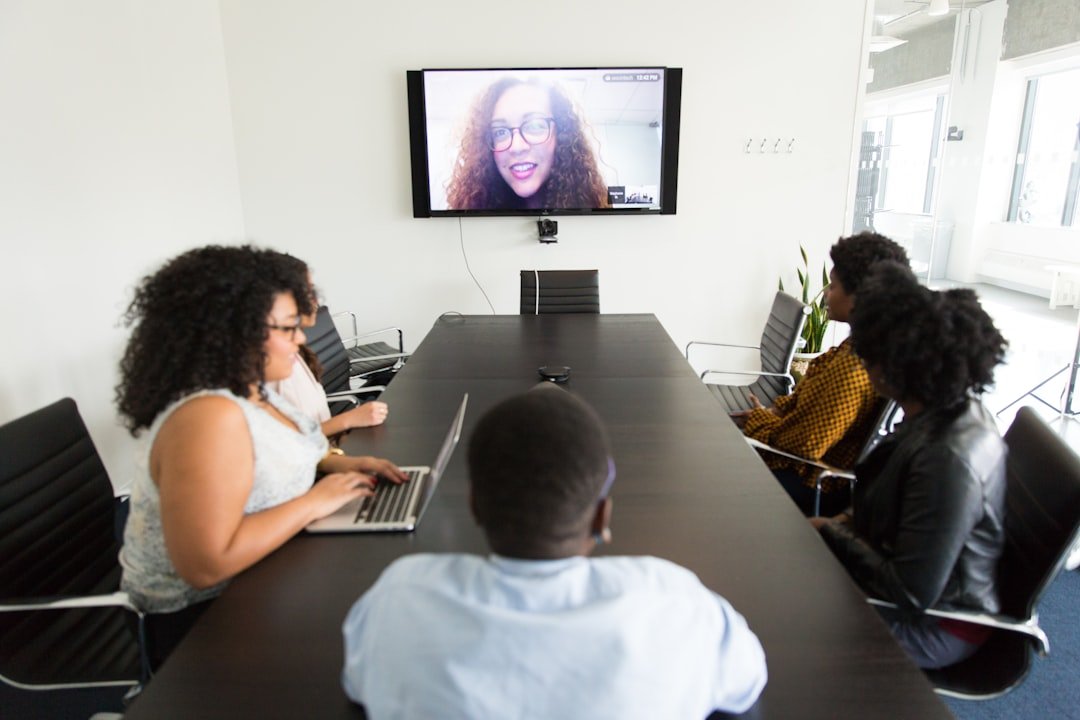
We’ve all been there. You’re on a crucial video call, and one person’s audio sounds like they’re broadcasting from a wind tunnel inside a tin can. Their video is crystal clear, but every other word is a garbled mess. You nod along, pretending to understand, but eventually, you just tune out.
It’s frustrating, right? But what if I told you that this little annoyance is actually a massive, hidden problem that could be undermining your entire digital transformation effort?
When we talk about upgrading our tech, our minds jump straight to the flashy stuff: new cloud platforms, slick AI software, and fancy video conferencing gear. But we almost always forget the most fundamental piece of the puzzle: sound. And it turns out, that’s a huge mistake.
The Hidden Cost of Bad Sound: It's Not Just Annoying, It's Damaging
Ever since the world scrambled to make every kitchen table and home office a meeting room, we’ve been dealing with the fallout of subpar audio. And according to new research from Shure and IDC, the consequences are far more serious than we thought.
Genevieve Juillard, the CEO of IDC, puts it perfectly: “Audio is the gatekeeper of meaning.” Think about that for a second. If people can’t hear you clearly, they can’t understand you. If they can’t understand you, they can’t trust you. And if they can’t trust you, they definitely can’t act on what you’re saying.
Suddenly, that grainy, crackling audio isn’t just an inconvenience; it’s a trust-killer.
The research backs this up in a pretty shocking way. It shows that when your audio quality is poor, people literally perceive you as less intelligent and less trustworthy. No amount of 4K video can fix that. Your message, your authority, and your credibility all get lost in the static.
As Chris Schyvinck, President and CEO of Shure, points out, this goes way beyond just feelings. It hits productivity hard. Meetings drag on, decisions get delayed, and everyone signs off feeling drained and disengaged. That feeling of exhaustion after a day of bad calls? It’s real, and it’s called cognitive load. Your brain is working overtime just to decode the garbled words, leaving less energy for actual thinking and contributing.
The Two Big Blind Spots Most Leaders Have
So, if clear audio is this important, why do so many companies get it wrong? The research highlights a couple of major blind spots for business leaders.
1. We Choose Price Over Quality (and Pay for It Later)
When buying audio gear for the first time, what’s the number one factor for most businesses? You guessed it: price. We go for the cheap, easy option. But here’s the fascinating part: for repeat buyers, the top factor flips to audio quality. They’ve learned the lesson the hard way. That cheap microphone that cost you a few bucks upfront ends up costing you thousands in lost productivity, stalled projects, and misunderstood directives.
2. We Underestimate the Human Toll
The second blind spot is that we just don’t realize the stress bad audio puts on our teams. That cognitive load I mentioned? It’s a real drag on mental energy. Over a full day of meetings, that stress accumulates, contributing to burnout and fatigue. Good audio, on the other hand, lightens that load. It makes communication feel effortless, keeping people engaged and making the hybrid work experience more inclusive for everyone, whether they’re in the boardroom or on their couch.
Your AI Is Only as Good as Your Audio
Here’s where this issue gets even more critical in today’s tech world. We’re all getting excited about AI tools that can transcribe meetings, generate summaries, and assign action items automatically. It sounds amazing, right?
But there’s a catch. These powerful AI systems are listening, and if they can’t hear clearly, they’re basically useless.
Genevieve Juillard shared a hilarious—and terrifying—real-world example. An AI transcription tool misheard a conversation and assigned an action item to the "insulting department" instead of the "consulting department." While it’s funny, it highlights a serious problem. A single misheard word can completely change the meaning of a conversation, leading to costly mistakes and confusion.
The bottom line is simple: if you’re investing in AI for collaboration, you have to invest in high-quality audio first. Garbage in, garbage out. Clean audio is the fuel that makes these AI engines run accurately and reliably.
It's Time for an "Audio Transformation"
So, what’s the solution? Do we need a whole separate "audio transformation" strategy?
Not exactly. According to Chris Schyvinck, it’s not about separating audio, but about elevating it. We need to treat audio with the same importance as video and other collaboration platforms. It has to be an equal, fully integrated part of your overall digital strategy, not an afterthought you solve with a cheap pair of earbuds.
This means thinking about an entire audio setup that works seamlessly.
- For the office: Equipping meeting rooms with smart microphones that can focus on who’s talking and filter out background noise.
- For remote workers: Providing high-quality headsets and mics that ensure everyone comes through clearly, no matter where they are.
- For your systems: Choosing tech from providers who partner with the major platforms like Teams, Zoom, and Google Meet to ensure everything just works without a ton of hassle.
When you get this right, you create something incredibly valuable: frictionless communication.
Good Sound is Good for the Planet, Too
Believe it or not, prioritizing your audio setup can also play a role in your company’s sustainability goals. We all know that hybrid and remote work isn't going away. Even companies with strict return-to-office policies still have teams spread across different cities and clients all over the world.
When your virtual meetings are just as effective and productive as in-person ones—which research shows they can be—you reduce the need for constant travel. Every flight not taken and every daily commute avoided makes a real, measurable impact on your carbon footprint.
It’s not about eliminating face-to-face meetings entirely. It’s about being intentional. Use technology to make virtual collaboration seamless, and save the travel budget for the moments that truly matter. When you strike that balance, you’re not just being more efficient; you’re building a more sustainable, inclusive, and resilient way of working.
The Future is Clear (and Sounds Amazing)
Looking ahead, the convergence of audio and AI is incredibly exciting. We're already seeing technology that can intelligently filter out the sound of a barking dog or a nearby siren, isolating human voices so conversations remain crystal clear.
Chris Schyvinck is optimistic, and for good reason. He envisions a future where you can walk into a meeting room and simply say, "Hey, call Genevieve for our 10 a.m. meeting," and the system handles everything seamlessly. A future with more immersive audio that makes you feel like you’re truly in the same room, and personalized settings that adapt to your preferences with simple voice commands.
This isn’t science fiction. It’s happening now, and it’s moving fast. The companies that will win in this new era of work are the ones that finally recognize the unsung hero of their tech stack. They’re the ones who understand that transformation isn’t just about what you can see, but what you can hear.