Imagine telling your favorite AI chatbot, "Find me a waterproof, ethically-made backpack under $150 with a laptop sleeve, and buy the best one." The AI doesn't just give you a list of links; it understands your intent, compares options, and completes the purchase for you. This is the promise of "agentic commerce," and it's poised to completely rewire how we shop online.
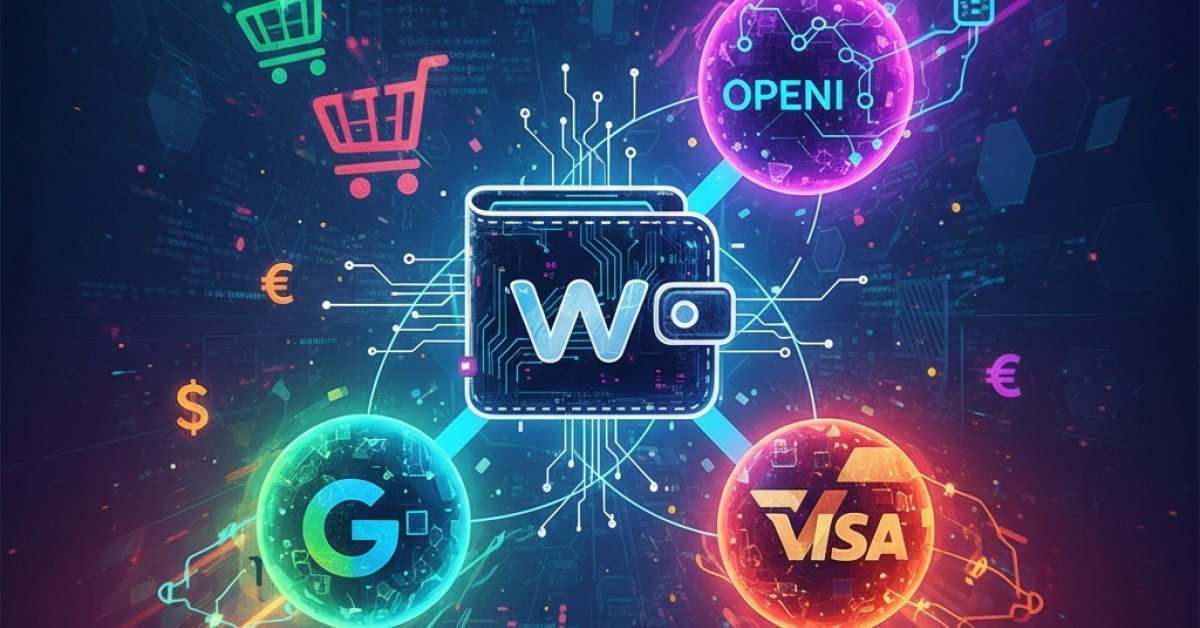
But there's a huge, messy problem standing in the way. Right now, the world of AI-powered shopping is a bit like the Wild West. You have Google, OpenAI, Visa, and others all racing to build their own systems, their own payment protocols, and their own rules. If you're a business, which horse do you bet on? Integrating with every single one is a technical and financial nightmare.
This is where PayPal is making a fascinating and incredibly strategic move. Instead of waiting for the dust to settle and for a single "winner" to emerge, they're betting on something else entirely: flexibility. With their new suite of agentic commerce tools, they're essentially telling businesses, "Don't worry about picking a winner. We'll help you show up everywhere."
The Chaos of Choice: Why AI Shopping Is a Mess for Merchants
Let's be real: for all the hype, agentic commerce is in its infancy. AI agents are just getting good at understanding what's on a webpage, let alone making complex purchasing decisions. While platforms like ChatGPT, Gemini, and Perplexity can surface product suggestions, you can't actually buy anything directly through them yet.
This has sparked a frantic race to build the underlying plumbing that will make secure transactions possible.
- Google is working on its Agent Payments Protocol (AP2).
- OpenAI and Stripe have teamed up for the Agentic Commerce Protocol (ACP).
- Visa has thrown its hat in the ring with its Trusted Agent Protocol.
See the problem? Everyone is building their own road, and nobody knows which one will become the main highway.
Michelle Gill, PayPal's general manager for small business and financial services, put it perfectly. "How do you decide if you're going to spend your time integrating with Google, Microsoft, ChatGPT or Perplexity?" she asked. "Each one of them right now has a different protocol, a different catalog, config, a different everything." For a merchant, especially a smaller one, this fragmentation is paralyzing. It's a huge gamble to invest time and money integrating with a platform that might be obsolete in a year.
PayPal's Answer: A Universal Adapter for AI Commerce
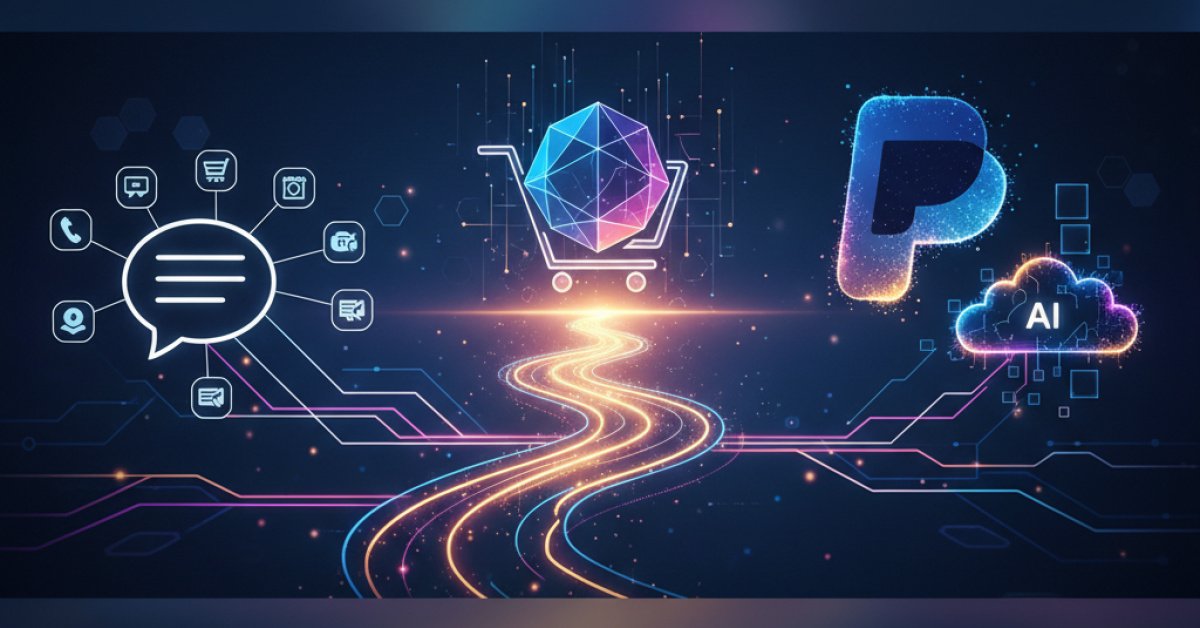
Instead of building yet another competing standard, PayPal is leveraging its unique position as the trusted middleman between millions of merchants and consumers. Their new Agentic Commerce Services are designed to be a "one-to-many" solution, acting as a universal adapter that plugs businesses into the entire AI ecosystem, regardless of the underlying model or protocol.
The services are broken down into two key features.
Shop Sync: Get Your Products Seen (Available Now)
This is the foundational piece, and it's available right now. Shop Sync tackles the first and most important problem: discoverability. It lets businesses take their existing product catalog—all that juicy inventory and fulfillment data—and sync it to a central repository.
Think of it like this: Instead of manually formatting your product list for Google's AI, then again for OpenAI's, and again for a new startup's, you just give it to PayPal once. Their system then makes that information easily digestible for any AI model that comes along. Your products can then be surfaced on chat platforms, starting with Perplexity, with more to be added soon.
Agent Ready: Get Ready to Get Paid (Coming in 2026)
This is the next logical step. Once customers can find your products via AI, they need a way to buy them. Agent Ready, slated for 2026, will enable existing PayPal merchants to seamlessly accept payments on these emerging AI platforms.
The goal is to make this as "low-touch as possible," according to Gill. Businesses can use the infrastructure they already have with PayPal without needing to build a dozen new, complex integrations. It’s about future-proofing your business without the upfront headache.
Why This 'Flexibility First' Approach is So Smart
PayPal's strategy offers some massive advantages for businesses trying to navigate this new world. It’s not just about convenience; it’s about smart, sustainable growth.
Here’s what makes this approach so compelling:
- Fast Integration: You connect once to PayPal's system, and you're ready for current and future AI partners. No more endless integration projects.
- Broader Discovery: This moves beyond the traditional "search, browse, cart" e-commerce journey. Your products can be discovered conversationally, recommended by an AI that truly understands a user's needs.
- You Keep Your Customers: This is huge. A major fear with AI commerce is that brands will lose their direct relationship with customers, with the AI platform becoming the new middleman. PayPal's model aims to preserve that, ensuring you still own your customer records and communications.
By focusing on being a flexible bridge, PayPal is effectively telling merchants they don't have to make a risky bet. They can get their products into the AI-powered conversation now and be ready to transact when the payment pipes are fully connected, no matter who builds them.
The Future of Your Storefront is a Conversation
The shift to agentic commerce is going to be gradual, then sudden. For years, we've been trained to think of online shopping as a visual experience driven by websites and apps. But the next wave will be conversational, driven by intent.
PayPal's move is a clear signal that the infrastructure for this new era is being built right now. They're betting that in a fragmented market, the most valuable player is the one who can create harmony from chaos. For businesses, the takeaway is clear: you don't need to know which AI will win the "platform wars." You just need a partner who can ensure you're ready to do business with all of them.
The groundwork needs to be laid early. By getting your product data ready and thinking about how your brand will show up in a conversation, you're not just preparing for the future of e-commerce—you're actively starting to build it.