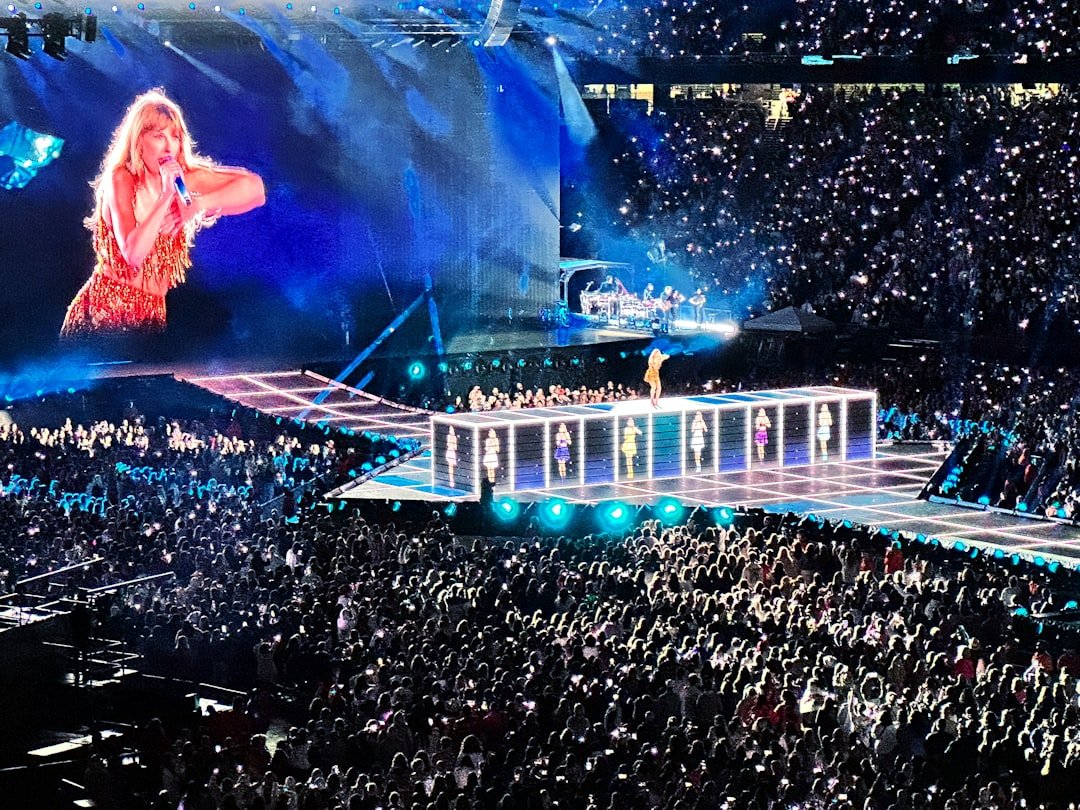
Have you seen them yet? You’re scrolling through TikTok or Instagram, and suddenly, there’s Taylor Swift. She’s talking directly to you, maybe from what looks like an interview set, and she’s promoting a giveaway for some fancy cookware. It looks real. It sounds real. But something just feels… off.
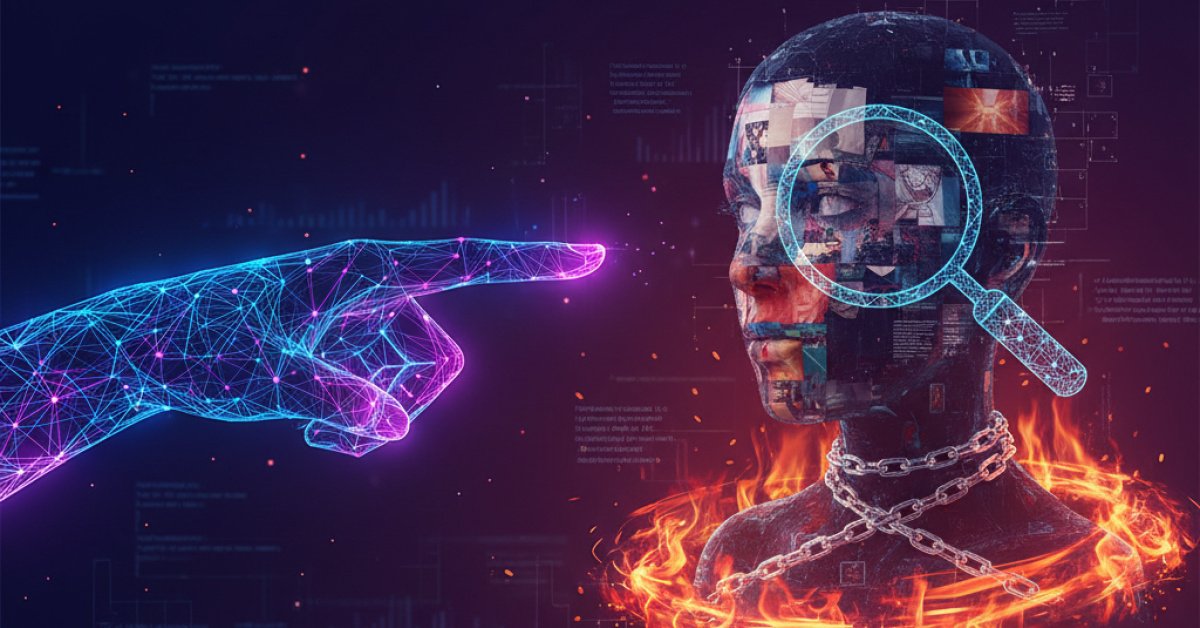
If you’ve felt that flicker of confusion, you’re not alone. And your gut is right. That’s not Taylor Swift. It’s a deepfake—a scarily convincing AI-generated video designed to do one thing: trick you.
This isn't just some weird internet prank; it's the new frontier of online scams. And it’s a big reason why Taylor Swift’s team is reportedly looking into trademarking her name and likeness against this kind of AI abuse. It might sound like a classic celebrity move, but honestly, what’s happening here is something that affects all of us. Let’s break down what’s really going on.
What’s Actually Happening in These Fake Ads?
Imagine you could take a video of someone, say, from a TV interview, and use AI to make them say anything you want. That’s the basic idea behind these deepfake ads. Scammers are grabbing real footage of celebrities—people we know and trust—and using AI tools to manipulate their faces and voices.
They're getting frighteningly good at it. The AI can sync the celebrity’s lips to a brand new, fake audio track. So, you see Taylor Swift or another big name seemingly endorsing a product or announcing a "special offer" just for their fans.
Here's the typical playbook:
- The Hook: The ad features a celebrity looking and sounding authentic. They might say something like, "Hey everyone, I'm so excited to be giving away 5,000 of these amazing kitchen sets to my loyal fans!"
- The Call to Action: They urge you to click a link—fast!—before the offer runs out. They create a sense of urgency to make you act without thinking.
- The Trap: That link takes you to a professional-looking (but fake) website. To claim your "free" prize, all you have to do is enter your personal information: name, address, and, of course, your credit card details to cover a small shipping fee.
And just like that, they have your data. There is no cookware set. There is no giveaway. You’ve just handed your sensitive information over to a scammer.
This Isn't Just Bad Photoshop Anymore
I think we all remember the days of clumsy, easy-to-spot online scams. You know, the emails from a "Nigerian prince" with terrible grammar. But this is a whole different ballgame.
Researchers and cybersecurity experts have been raising the alarm about this for a while. They’ve shown how these AI-manipulated videos are becoming one of the most effective tools for phishing scams. Why? Because they target our trust.
We're wired to believe what we see and hear. When a face we recognize is talking to us, our natural skepticism drops. Scammers know this. They're banking on the fact that you'll be more focused on the celebrity's face than on the slightly weird audio or the suspicious link.
It's a numbers game for them. Even if 99% of people scroll past, that 1% who fall for it is enough to make the scam incredibly profitable. And with AI tools becoming cheaper and easier to access, literally anyone with a computer and bad intentions can start churning these things out.
So, Why Is Taylor Swift Taking a Stand?
When you're one of the most famous people on the planet, your face and voice are your brand. They're incredibly valuable assets. Now, imagine those assets being used, without your permission, to steal from your fans. It's a total nightmare.
That's the situation Taylor Swift and many other celebrities find themselves in. Her team's move to explore trademarking her likeness isn't just about money; it's about control and protection. It’s about trying to put a legal wall up against people who want to exploit her identity.
Think of it like this: If someone started bottling tap water and slapping a Coca-Cola label on it, Coca-Cola's lawyers would be on them in a heartbeat. That’s trademark infringement. What Taylor Swift’s team is aiming for is a similar principle for a person's digital identity.
The legal side of this is messy and new, but it’s a fight that has to happen. If we don’t establish rules around who gets to use our digital likeness, what’s to stop someone from creating a deepfake of you endorsing a political candidate you despise? Or worse, making it look like you committed a crime? It starts with celebrities, but the implications trickle down to everyone.
How to Spot the Fakes and Protect Yourself
Okay, so this all sounds a bit dystopian. But the good news is, you can train yourself to spot these fakes. They’re good, but they’re not perfect… yet.
Here are a few things to watch for:
- Weird Lip-Syncing: Pay close attention to their mouth. Often, the lip movements won't perfectly match the words being spoken. It might look just a little "dubbed."
- A Robotic Voice: Listen to the audio. Does it sound flat, emotionless, or have a strange cadence? Sometimes the AI voice generators can't quite capture the natural rhythm of human speech.
- Awkward Pauses: The pacing might feel off. There could be weird pauses or a delivery that doesn't sound like how a person would naturally talk.
- The "Too Good to Be True" Test: This is the oldest rule in the book for a reason. Is a global superstar really on TikTok giving away thousands of free Le Creuset pots? Probably not. If the offer seems unbelievable, it almost certainly is.
- Check the Source: Look at the account that posted the video. Is it a verified celebrity account with millions of followers, or a random account with a weird name and only a few posts? Always, always check the source.
Ultimately, the best defense is a healthy dose of skepticism. We're entering an era where seeing isn't always believing. The internet is getting stranger, and we all have to get a little smarter to navigate it safely.
This whole situation is a powerful reminder that as AI technology barrels forward, our laws and our own awareness need to catch up. The fight Taylor Swift is waging isn't just a celebrity problem—it's a preview of a challenge we'll all be facing in a world where our digital selves can be copied, pasted, and manipulated with a few clicks. So next time you see a celebrity hawking something on your feed, take an extra second to think. It might just save you a whole lot of trouble.