Have you had that moment recently? You’re scrolling through your feed, and you see a video of a celebrity saying something completely out of character. For a split second, you believe it. The face is right, the voice is spot on… but something feels off. That’s the unnerving reality of deepfakes, and they’re getting better every single day.
For creators, this isn't just a weird party trick; it's a threat. Imagine someone using your face and voice to promote a scam, spread misinformation, or ruin your reputation. It’s a digital identity crisis waiting to happen. For years, the response from major platforms has been frustratingly slow, but it looks like the tide is finally starting to turn.
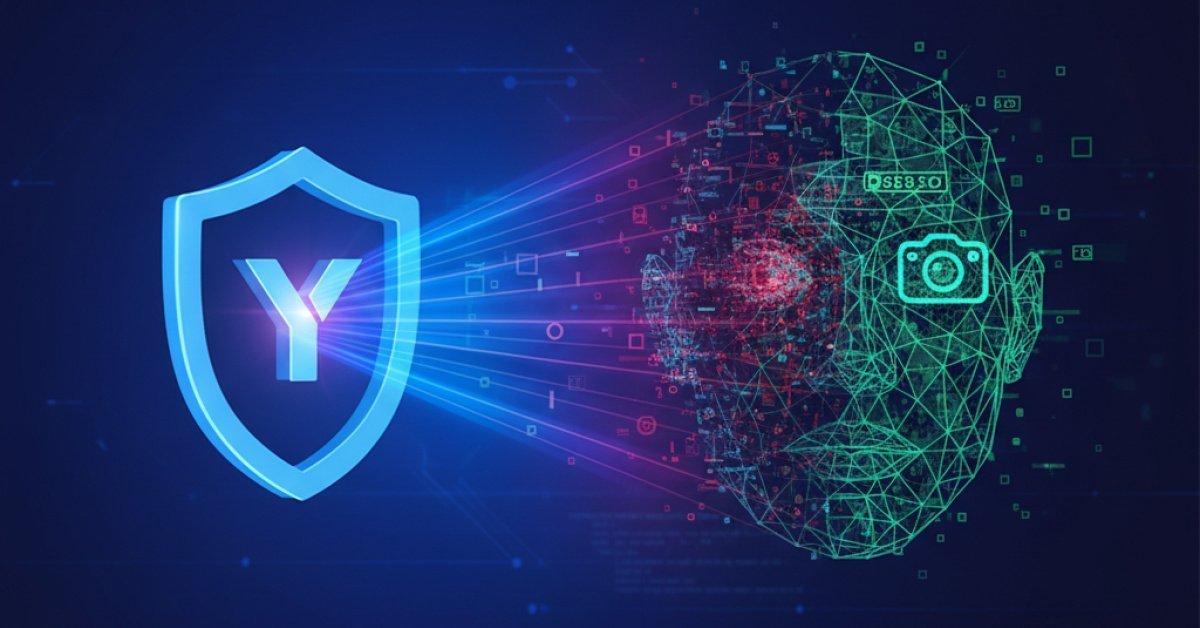
YouTube has just stepped into the ring with a new tool aimed directly at this problem. They’re rolling out a "likeness detection system" designed to give creators a fighting chance against their AI-generated doppelgängers. It’s one of the first major, proactive moves we've seen from a tech giant, but it begs the billion-dollar question: in this high-stakes game of digital cat and mouse, is it enough?
What is YouTube's New "Likeness Detector" and How Does It Work?
Let's break down what YouTube is actually putting on the table. This isn't some vague promise; it's a tangible tool with a clear workflow, at least for a select group of creators to start.
At its core, the system is an AI-powered watchdog. It automatically scans newly uploaded videos across the platform, looking for content that uses a creator's unique face or voice. Think of it as a digital fingerprint scanner, but for your likeness.
The Creator's New Toolkit
When the system flags a potential deepfake, it doesn't just take it down automatically (which is good news for anyone worried about overzealous bots). Instead, it puts the power back in the hands of the creator. Here’s how the process works:
- Detection: The system identifies a video that appears to use the likeness of a creator who is part of the YouTube Partner Program.
- Notification: The potentially impersonating video appears in a new "Content Detection" tab within the creator's YouTube Studio dashboard.
- Review: The creator can then review the flagged content to determine if it's a legitimate use (like a parody or commentary) or a malicious deepfake.
- Action: If the video is an unauthorized and harmful impersonation, the creator can submit a removal request directly through the tool.
This gives creators a direct line of defense, a way to police their own digital identity on the platform without having to stumble upon a harmful video by chance or rely on their fans to report it. It’s a significant shift from a reactive to a proactive stance.
The Digital Wild West: Why This Tool is a Long Time Coming
To understand why this is such a big deal, you have to appreciate the chaos of the last few years. The internet has become a breeding ground for synthetic media. We’ve all seen the scarily convincing "Tom Cruise" videos on TikTok or heard AI-generated versions of presidents saying things they never said.
For a long time, the technology to create deepfakes has been sprinting, while the tools to detect them have been jogging at a leisurely pace. This gap has left a huge vulnerability that bad actors have been more than happy to exploit.
YouTube’s move is a public admission that the problem is real and that platforms have a responsibility to act. It’s a rare instance of a tech behemoth building a specific weapon for creators in this ongoing digital arms race. It’s not just about content moderation anymore; it's about identity protection.
Is It a Silver Bullet? The Inevitable Catches and Criticisms
Of course, whenever a new automated system is introduced, the community holds its breath. While the promise is huge, the potential for unintended consequences is just as big. No one is ready to declare victory just yet.
The "Automated Headache" Problem
The biggest fear among creators is that this could become another moderation nightmare. Automated systems are notoriously clumsy. They often struggle with nuance, context, and intent.
What happens to fair use? A channel dedicated to political satire might use a deepfake of a politician for a sketch. A commentary channel might show a clip of a deepfake to educate their audience about the dangers of AI. Could these legitimate uses get caught in the crossfire, leading to wrongful takedowns and a new wave of appeals? It’s a valid concern, and YouTube will have to tread very carefully to avoid penalizing good-faith actors.
The Flaw in the Code: Can AI Really Catch AI?
Here’s the other tricky part: detection technology is inherently a step behind creation technology. As soon as a new detection method is developed, deepfake creators start working on ways to fool it. It's a constant game of one-upmanship.
Even we humans are terrible at spotting fakes. A recent ABC News study found that people fail to identify deepfake videos nearly a third of the time. If our own intuition can be so easily fooled, how can we expect an algorithm to be perfect, especially when it’s trying to do the job at the scale of YouTube’s 500+ hours of video uploaded every minute?
Trying to catch every deepfake with an algorithm is a bit like trying to repair a leaky boat with duct tape. It might plug a few holes, but it’s not going to stop the flood entirely.
More Than Just YouTube: A Global Push for AI Transparency
While YouTube's new tool is a big headline, it isn't happening in a vacuum. It's part of a much larger, global conversation about AI accountability. Governments and regulatory bodies are finally waking up to the fact that we can't just let synthetic media run wild without any rules.
For example, India has proposed new rules that would require all AI-generated media to be clearly and permanently labeled. You wouldn't be able to just post a deepfake without telling everyone that's what it is. This idea of mandatory transparency is gaining serious momentum worldwide.
Similarly, the European Union's Digital Services Act (DSA) includes provisions that push platforms to be more transparent about their use of AI in content moderation and recommendation. The message is clear: the era of the "black box" algorithm is coming to an end. We, as users and creators, have a right to know when we're interacting with AI-generated content. YouTube's tool fits right into this broader push for a more honest and accountable internet.
The Uphill Battle for Digital Trust
So, where does this leave us? On one hand, it’s a massive and necessary step forward. Giving creators a tool to fight back is undeniably a good thing. It also helps build a new kind of media literacy. The more we talk about these tools, the more the average person might start to question the videos they see online, and that skepticism is healthy.
On the other hand, we can't get complacent. The technology used to create deepfakes is not just improving; it’s accelerating at an exponential rate. As one creator I know put it in a Discord chat, "By the time YouTube catches one fake me, there’ll be three more doing interviews and promoting crypto scams." That sentiment perfectly captures the scale of the challenge.
YouTube’s likeness detector isn't the finish line in the race against deepfakes. In fact, it's not even close. But what it represents is a powerful player finally putting their foot on the brake. It’s a statement that digital identity is worth protecting and that the anything-goes era of AI impersonation is over. It won't solve the problem overnight, but at least the game is officially on.