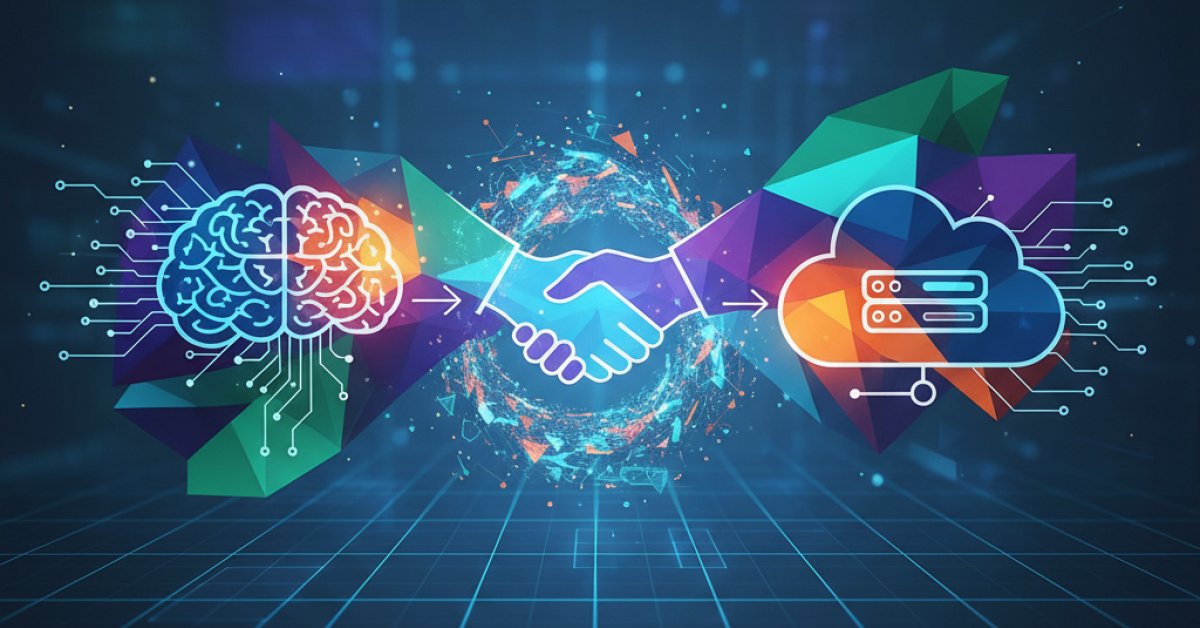
It feels like we’re living in a constant state of tech whiplash. One minute, we’re hearing about a groundbreaking AI model that could fundamentally change how machines “think.” The next, we’re reading about suburban communities threatening to pull the plug on the very data centers that power this revolution. It’s a dizzying, fascinating, and slightly chaotic time to be alive.
This week is no different. We've got a major potential breakthrough in AI memory, a stark reminder of the industry's massive energy appetite, and a collection of stories from around the web that paint a vivid picture of technology's messy, unpredictable collision with society. Let's unpack it all, starting with the good news.
A Breakthrough in How AI Remembers
Imagine trying to recall a specific detail from a book you read last year. Instead of just accessing the memory, you have to re-read the entire book from cover to cover. That’s a bit like how many large AI models operate today—it’s incredibly inefficient and power-hungry. A Chinese AI company called DeepSeek might have just found a much better way.
They’ve released a new model that’s getting a lot of buzz, not for what it does, but for how it does it. At its core, it's an optical character recognition (OCR) model, the same tech that lets you scan a document with your phone or translate a sign in a foreign language. But the real magic is under the hood.
DeepSeek has innovated the way the model stores and retrieves information. By improving how an AI "remembers" data, it could drastically reduce the sheer computing power needed to perform tasks. This isn't just a win for efficiency; it’s a potential game-changer for AI's enormous and growing carbon footprint. Smarter memory means less energy wasted, and that’s a development we can all get behind.
The AI Hype Index: When Your New Neighbor is a Power-Hungry Data Center
While researchers are working to make AI more efficient in the digital world, the industry's physical footprint is causing some serious tension in the real one. The insatiable demand for AI requires massive, power-guzzling data centers, and they’re popping up everywhere. The problem? The people who already live there aren't too happy about it.
The conflict has gotten so intense that some communities are now considering a drastic measure: strategic power blackouts. It's a stark illustration of the disconnect between the sleek, futuristic promise of AI and the loud, resource-intensive reality of its infrastructure.
This is the kind of stuff we track in our AI Hype Index—a reality check that separates the marketing spin from what's actually happening on the ground. The dream of a seamless AI future is running headfirst into the limitations of our power grids and the patience of its neighbors.
The Nuclear Option for AI
This power crunch is so severe that it's pushing politicians toward controversial solutions. The Trump administration is reportedly backing the development of new nuclear power plants with the explicit goal of feeding the AI boom. It’s a move that highlights just how strained our current energy grid is and raises a whole host of new questions. Can we build these plants fast enough? And is pairing one powerful, controversial technology with another really the best path forward?
Tech on Trial and Under the Microscope
As technology gets more powerful and integrated into our lives, the legal and regulatory battles are heating up. This week, we're seeing challenges on multiple fronts, from celebrity likenesses to the safety of our kids.
Here’s a quick rundown of who’s taking whom to court:
- Cameo vs. OpenAI: The platform famous for personalized celebrity videos is suing OpenAI. The reason? OpenAI's video-generation model, Sora, apparently has a feature that mimics Cameo's entire business model, and Cameo is not pleased.
- Texas vs. Tylenol: In a stranger-than-fiction lawsuit, the state of Texas is suing the makers of Tylenol based on scientifically unfounded claims linking the drug to autism that circulated during the Trump administration. The suit alleges the company violated state law by claiming the drug was safe.
- Senators Target AI Companions: Two U.S. Senators are pushing to ban AI companions for minors. They’re demanding that AI companies implement robust age-verification systems to protect kids from potentially harmful AI relationships.
These cases, while different, all point to a society grappling with the consequences of rapid innovation. The law is often years behind the technology it’s trying to regulate, and we’re watching that catch-up game play out in real-time.
The Weird, the Wonderful, and the Slightly Dystopian
Beyond the courtroom dramas and energy debates, technology continues to produce stories that are just plain fascinating. From police AI learning slang to remotely-operated robot butlers, the future is getting weirder by the day.
Cops, Slang, and AI Translators
In Australia, police are developing an AI tool with a unique purpose: to decode Gen Z slang. The goal is to better understand and combat the growing networks of young men who target vulnerable girls online. It's a novel approach to a modern problem, though one can only imagine the hilarious (and cringey) mistranslations that might occur.
There's a Human Behind That Robot
Ever wanted a robot housekeeper? A new one is on the market, but there's a catch: it's controlled remotely by a real person. So, while it looks like a robot is tidying up your living room, a human is pulling the strings from afar. It’s a strange middle ground between automation and the gig economy that feels... well, a little odd. Nothing weird about that at all, right?
On the topic of strange realities, Nvidia’s CEO, Jensen Huang, recently dismissed the growing concerns about an AI bubble, stating, "I don’t believe we’re in an AI bubble." Coming from the head of a company whose value has skyrocketed on the back of the AI boom, that's a statement you can take with a grain of salt.
From Supershoes to Crows: How Tech Changes Everything
It's not just AI and robotics; technology's influence seeps into every corner of our lives, including sports and even our relationship with nature.
Take the world of distance running. Since 2020, every single world record from the 5,000 meters to the marathon has been broken by an athlete wearing "supershoes." These high-tech marvels combine lightweight, energy-returning foam with a stiff carbon-fiber plate. For some, it's the pinnacle of innovation. For others, it’s a sign the technology has outpaced the human element of the sport, changing it too quickly.
And in a story that feels both ancient and incredibly modern, people are using TikTok to learn how to befriend crows. The #CrowTok community is a thriving niche where people share their experiences building relationships with these incredibly intelligent birds. In a world of endless digital distraction, the patience and attention required to earn a corvid's trust offers a powerful lesson. It’s a reminder that sometimes the most meaningful connections aren't powered by silicon, but by simple, quiet observation. It shows that even as we build our technological future, we’re still searching for something real.