Let’s be honest, we all have a bit of a love-hate relationship with AI right now. One minute, it’s generating hilarious images of cats in space, and the next, we’re reading another headline about how it’s going to change everything. It can feel a little overwhelming, and if you’re skeptical, I don’t blame you one bit.
But I need you to pay attention to this one. Because this isn't some niche app or a tech demo you can ignore. This is Google. You know, the verb we use for looking things up. The front door to the internet for billions of us.
Google is rolling out its new AI-powered search results, called "AI Overviews." And I’m going to make a prediction: even if you think AI is overhyped, even if you’re worried about its impact, you’re going to end up using this. And you’re going to do it without even thinking about it.
The reason is simple. It's just too easy not to.
So, What Exactly Is Changing?
Imagine you want to find the best way to clean red wine out of a white rug (we’ve all been there).
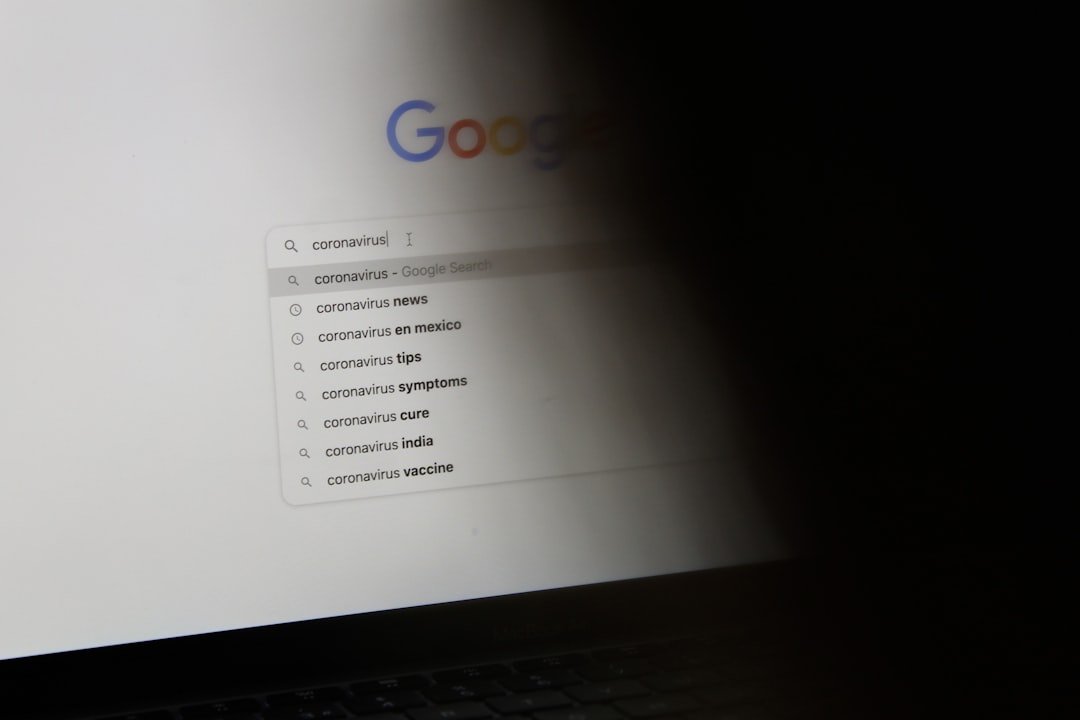
Right now, you type it into Google, and you get a list of 10 blue links. You scan the headlines, maybe click on a Good Housekeeping article, scroll past their life story to find the instructions, and maybe open another link from a cleaning blog just to compare. It takes a minute or two.
With AI Overviews, it’s different. You type in the same question, and before you even see the blue links, a neat little box appears at the top of the page. It gives you a direct, summarized answer: "Mix one part dish soap with two parts hydrogen peroxide. Blot, don't rub..."
See what happened there? You got your answer. Instantly. No clicking, no scrolling, no ads popping up on some random blog. Just the solution, right there.
This is the magic trick. It’s the ultimate path of least resistance. And our brains are wired to love the path of least resistance.
The "Good Enough" Answer Wins Every Time
Now, you might be thinking, "But is that AI answer actually the best answer? Is it as good as the detailed article from a trusted source?"
And the truth is… maybe not. It might miss some nuance. It might not explain why you shouldn’t rub the stain. But for 90% of our everyday questions, that summarized answer is going to be perfectly "good enough."
Think about it. We’re not always doing deep academic research. Most of the time, we just want to know how many ounces are in a cup, what the weather will be tomorrow, or who starred in that movie we watched last night. We want a quick, factual answer, and we want it now.
Google’s AI Search is built for exactly that. It's designed to be so convenient that it becomes an invisible habit. You won’t even notice you’re relying on it until it’s just… how you use Google.
Okay, So What's the Catch?
This all sounds great, right? A faster, more efficient internet. What’s not to love?
Well, here's the part that keeps me up at night. Where do you think Google's AI gets all that wonderful information? It gets it from the very same websites it’s now encouraging you to skip.
It crawls that Good Housekeeping article, the cleaning blog, and a dozen others. It digests their hard work, their testing, their writing, and then it repackages it into a neat little summary for you. And in the process, the original creators get nothing.
No click. No ad revenue. No chance for you to subscribe to their newsletter or buy their product.
This is a massive, fundamental shift in how the internet works. For two decades, the deal was simple: creators and publishers put useful stuff on the web, and Google helped people find it. This created a symbiotic relationship. They provided the content, and Google provided the traffic.
Now, Google is effectively becoming the destination itself. It’s no longer just a map; it’s the restaurant, the library, and the movie theater all rolled into one, serving you a meal cooked with ingredients it took from everyone else.
The Web Could Start to Eat Itself
If you take this to its logical conclusion, things get pretty bleak.
Imagine you're a passionate food blogger. You spend hours perfecting a recipe, taking beautiful photos, and writing a detailed post. In the old world, a Google search would send thousands of people to your site. A small percentage of them might click an ad or buy your cookbook, allowing you to keep your site running.
In the new world, Google’s AI just scrapes your ingredient list and instructions, presents it at the top of the search results, and no one ever visits your blog. Your traffic plummets. Your income dries up. After a while, you have to ask yourself: why am I even doing this?
Now multiply that by millions of websites. Tech reviewers, independent journalists, artists, niche experts, forums with years of community knowledge. If the incentive to create and share information disappears because the traffic is gone, the quality of the web itself will decline.
The AI will have less high-quality, human-made content to learn from. The search results will get worse. It’s a vicious cycle. The very system that feeds the AI is being starved by it.
There's No Opting Out of This
The scariest part? This isn't a choice.
This isn't like deciding whether or not to use ChatGPT. This is Google Search. It's the default setting for the internet. It's on your phone, in your browser, and built into your life. The change is happening to you, whether you like it or not.
Sure, for now, you can scroll past the AI Overview and click on the traditional links. But how long will that last? How long until the AI answer is so good, so fast, and so integrated that you just don't bother?
We are all creatures of habit and convenience. And Google is betting, probably correctly, that the sheer ease of its AI answers will win us over, regardless of our philosophical concerns about the future of the open web.
So yes, the convenience is undeniable. And yes, you're probably going to love it in the moment. But it’s worth taking a second to think about what we might be losing in the trade. We're trading a vibrant, messy, and wonderfully diverse ecosystem of websites for a clean, efficient, and sterile answer box.
I don't have a neat solution here, because frankly, I don't think there is one. This train has already left the station. But being aware of the trade-off is the first step. The next time Google hands you a perfect, instant answer, just remember where it came from. It came from a person, a publisher, a creator somewhere out there on the web. And it’s a web that’s worth fighting to keep alive.