Have you tried out Google’s new AI Overviews yet? You know, the little AI-generated summaries that pop up at the top of some search results, trying to answer your question before you even click a link.
It’s pretty slick, I’ll admit. But if you’ve been paying close attention, you might have noticed something… a little weird. When the AI tells you where it got its information, a couple of names keep showing up again and again: Google Search and YouTube.
Wait a second. The AI is citing Google as its source?
It feels a bit like asking your friend for a restaurant recommendation, and they only suggest their own kitchen. It’s not necessarily a bad thing, but it does make you wonder if you’re getting the full picture. And honestly, it’s a trend that’s worth talking about, because it has some pretty big implications for how we find information online.
So, What's Actually Happening Here?
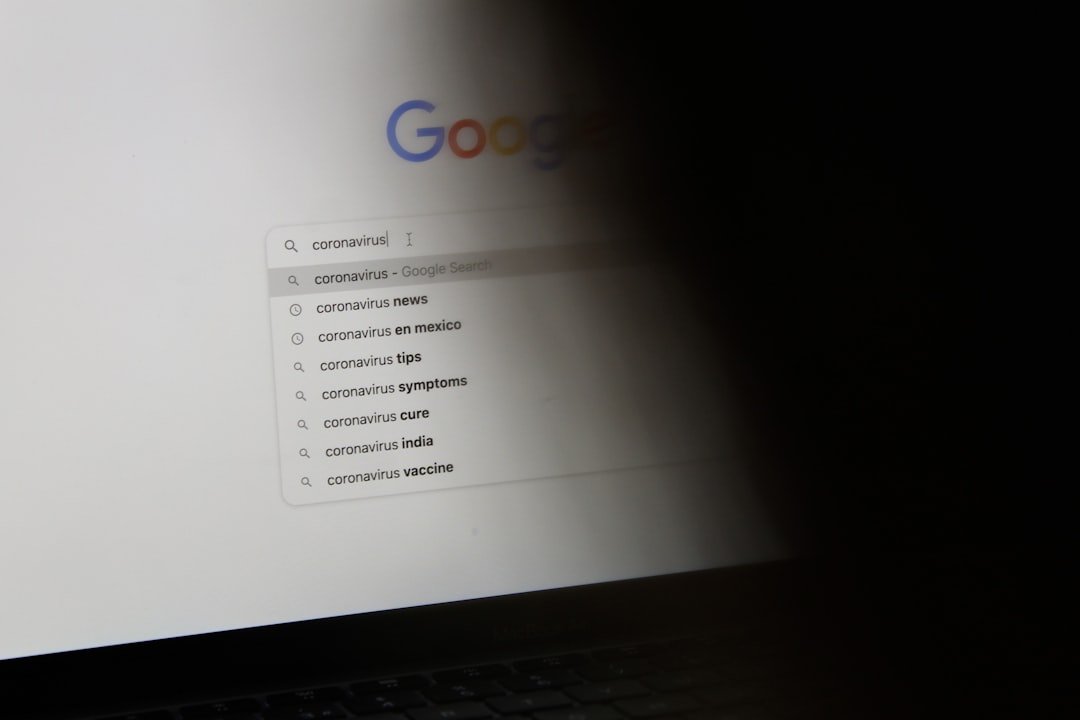
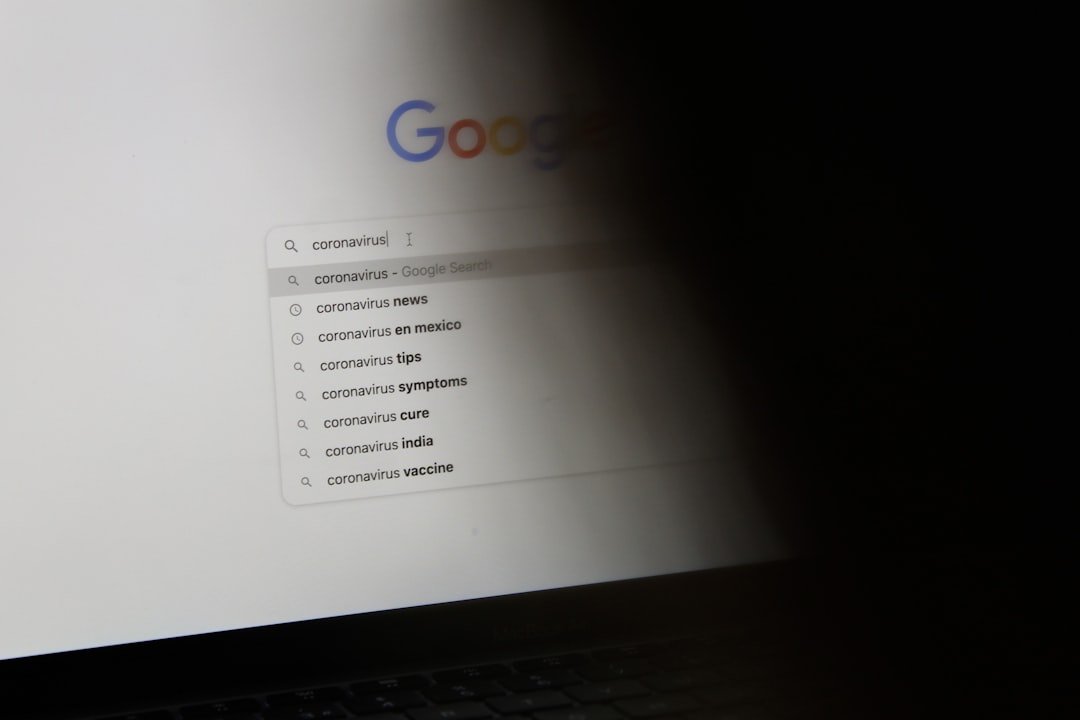
Let’s break it down. When you type a question into Google, the AI model kicks in, scans a ton of information from across the web, and synthesizes a neat little summary for you. The goal is to give you a quick, direct answer.
But here’s the twist. Instead of always linking out to the original articles, blogs, and websites it learned from, the AI is increasingly just… pointing back at the mothership.
Think of it like this: You ask the AI, "How do I fix a leaky faucet?" It pulls information from a dozen different plumbing blogs and DIY websites. But when it presents the answer, the little source link at the bottom might just say "Google Search." The AI is essentially patting itself on the back, taking credit for the collective knowledge of the web it was trained on.
It’s a subtle but powerful shift. Google isn’t just the search engine anymore; it’s positioning itself as the source of the answer, too.
The "Walled Garden" Is Getting Higher
This isn't just a quirky feature. It’s part of a much bigger strategy that people in the tech world call building a "walled garden." The idea is to create an environment where you have everything you need, so you never have a reason to leave. Facebook does it. Apple does it. And Google is getting incredibly good at it.
For years, Google’s unspoken deal with publishers and creators was simple: you create great content, and we’ll send people your way. It was a win-win. A food blogger gets traffic, and Google gets to provide its users with great recipes.
But now, that deal is starting to look a little shaky.
If Google’s AI can just scrape the blogger’s recipe, summarize it, and present it right on the search page, why would anyone click through to the original site? The blogger did all the work—testing the recipe, taking the photos, writing the post—but Google and its AI get to keep the user.
You can see why this is making a lot of creators and online publishers nervous. Their entire business model often depends on that traffic from Google. If it dries up, the whole system starts to fall apart.
This Isn't Exactly a New Playbook
Now, to be fair, this isn't some brand-new, shocking strategy from Google. We’ve seen versions of this for years.
Remember when "Featured Snippets" started appearing? Those little boxes at the top of the search results that gave you a direct answer? That was step one. Or the "People also ask" sections that keep you clicking on more Google-generated questions and answers? Step two.
All of these features were designed to answer your question directly on the search page, reducing the need to click away.
What’s different now is the sheer power and scale of generative AI. It can do more than just pull a small snippet. It can synthesize, rewrite, and combine information from countless sources into a completely new block of text. This makes the "walled garden" more effective than ever. It’s the same old strategy, just supercharged with a dose of AI.
What Does This Mean for You and Me?
Okay, so who cares if Google keeps us on its own properties? If we get our answer faster, isn't that a good thing?
Well, yes and no.
On one hand, it can be incredibly convenient. Getting a quick summary without having to sift through ten different links is a time-saver. No one can argue with that.
But on the other hand, it raises some important questions about the quality and diversity of our information.
- Are we getting the best answer, or just Google’s version of it? When the AI prioritizes its own services, we might be missing out on different perspectives or more detailed information from independent experts.
- What happens to the open web? If creators can’t make a living because they’re not getting traffic, what’s their incentive to keep making high-quality content? The internet could become a much less interesting and diverse place. We could end up with an information ecosystem dominated by a few massive players.
This is the real heart of the issue. The internet has always been this amazing, messy, decentralized library of human knowledge. This trend feels like it’s pushing us toward a very clean, efficient, but ultimately sanitized and centralized version of that library, curated by a single librarian.
So, the next time you see one of those AI-generated answers, just take an extra second. Check out the sources it’s citing. It’s a small thing, but it’s a good reminder of where the information we rely on actually comes from. The future of the web might just depend on us remembering that there’s a whole world of creators beyond the garden walls.