Do you remember the first time an AI video completely fooled you? For me, it was that clip of the rabbits bouncing on a trampoline that made the rounds last summer. I watched it, chuckled, and then had that weird sinking feeling when I realized it wasn't real. Not a single pixel of it.
My gut reaction was probably the same as yours: “Well, this is it. The internet is officially ruined.”
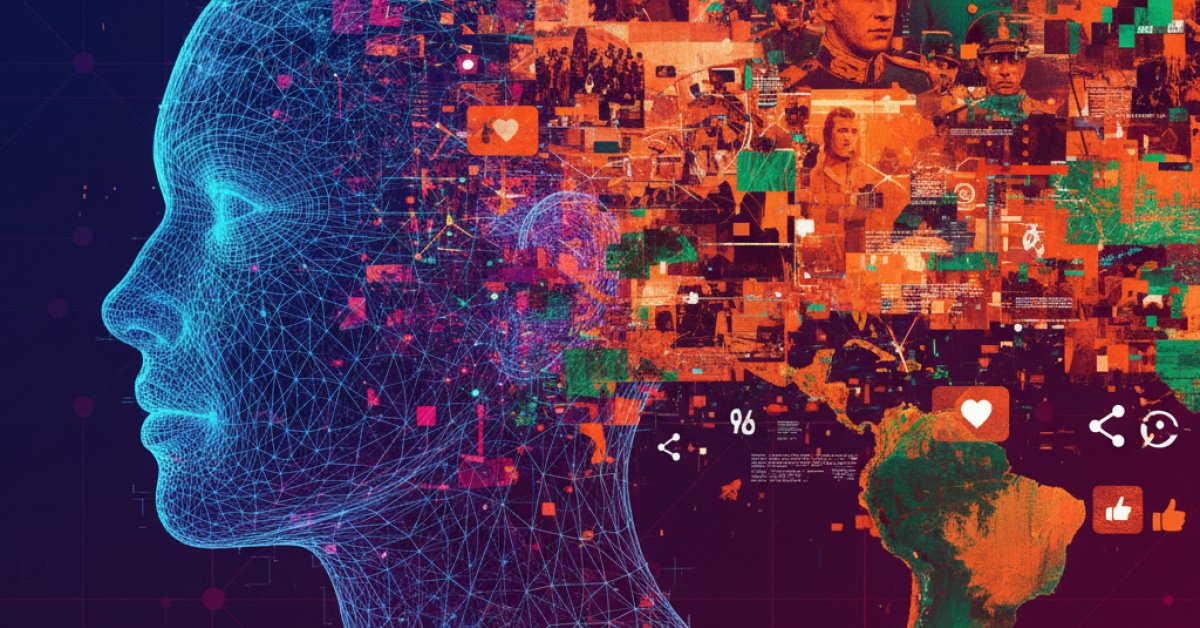
That feeling has a name now—we’re living in the age of “AI slop.” It’s this idea that our digital world is being filled with low-quality, machine-generated junk. And for a while, I was fully on board with that pessimistic view. But then a funny thing happened. My friends started sending me AI clips that were just… bizarre. And hilarious. Some were even genuinely creative in a way that felt totally new.
It forced me to take a step back and ask myself: What am I actually so worried about here? To figure it out, I went down a rabbit hole of my own, talking to creators and experts. And honestly, what I found has me thinking that maybe, just maybe, this AI wave won't be the end of everything we love online.
So, Should We Stop Worrying and Learn to Love AI Slop?
Let's be clear: a lot of AI-generated content is junk. It’s the digital equivalent of those weird, off-brand products you see at a discount store. But what if that’s just the messy beginning of something interesting?
Think about the early days of any new medium. The first websites were pretty clunky. Early YouTube was full of grainy cat videos. New tools always produce a flood of amateur, low-effort stuff before people figure out how to do something truly brilliant with them. The people making these weird AI videos are essentially sketching in a new medium, and some of those sketches are starting to look like the beginnings of real art.
I’m not saying we should ignore the downsides—because there are plenty. But I’m starting to believe that dismissing it all as "slop" is a mistake. There’s a strange, chaotic creativity brewing in there, and I’m becoming more and more convinced that it won’t just ruin the internet, but might actually make it weirder and more interesting.
From Digital Worlds to Human Genes: Why Has CRISPR Lost Its Mojo?
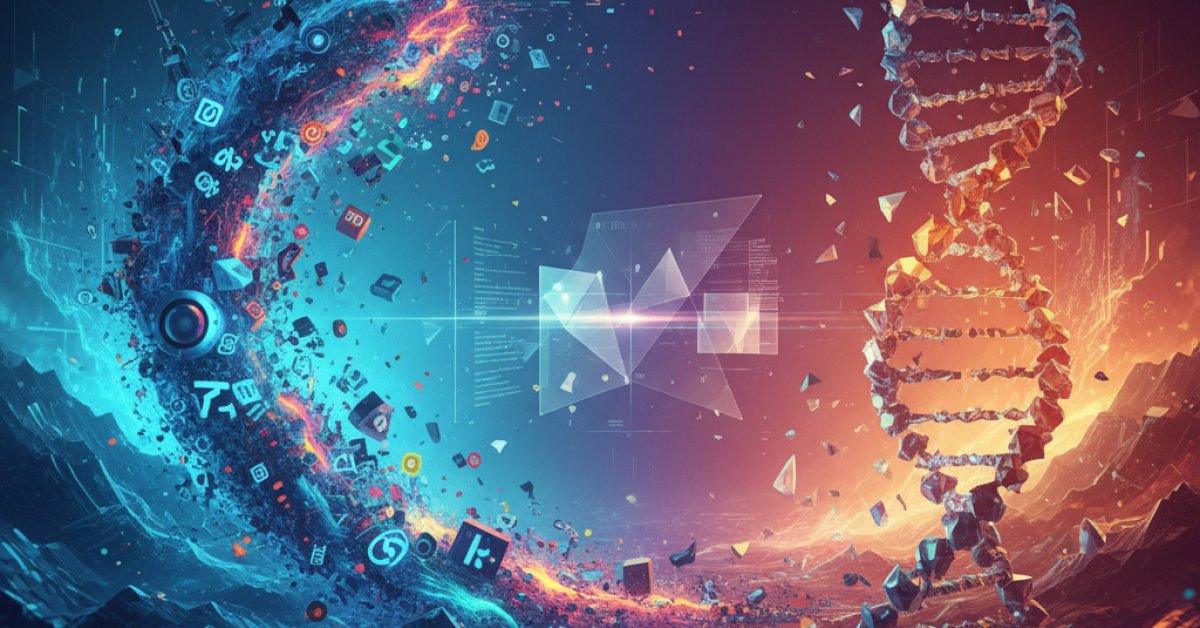
Alright, let’s pivot from the stuff of screens to the stuff of life itself. Remember CRISPR? Back around 2013, we were all talking about it as the biggest biotech breakthrough of the century. Gene-editing was going to cure everything from genetic diseases to cancer. It was the future, and it was right around the corner.
So, where is it?
Here’s the tough reality: so far, only one gene-editing drug has actually been approved. It’s for sickle-cell disease, and as of now, only about 40 people have been treated with it commercially. That’s it. For a technology that promised to change the world, that feels… well, a little disappointing. There’s a sense of discouragement hanging over the whole field.
What’s the hold-up? A new startup thinks the problem isn't the science, but the system. Right now, every single new treatment, even a tiny variation of an existing one, has to go through its own incredibly expensive and time-consuming trial and approval process.
Their solution is something they call an "umbrella approach." The idea is to get a foundational treatment approved and then be able to roll out small tweaks and improvements for different conditions without having to start from scratch every single time. It’s a long shot, and it depends on regulators being willing to change how they think. But if it works, it could be the key that finally unlocks CRISPR’s massive potential to help millions of people.
Quick Hits: What Else Is Catching My Eye This Week?
Beyond those two big stories, there’s a ton of other stuff happening in the tech world. Here’s a quick rundown of a few things that are on my radar right now.
- Grok is toning it down. After a huge backlash for generating sexualized images of women and children, Elon Musk's xAI has shut off the image-generation feature for most users of its Grok chatbot. Honestly, this felt inevitable. When you brag about having fewer "guardrails," you can't be surprised when the car goes off a cliff. It really drives home this quote from Ngaire Alexander at the Internet Watch Foundation, who told the Wall Street Journal, “Tools like Grok now risk bringing sexual AI imagery of children into the mainstream. The harms are rippling out.”
- AI detectives are a risky business. After an ICE agent shot and killed a woman, online sleuths tried to use AI to identify the agent. The problem? The AI’s results are notoriously unreliable. This is a perfect example of how powerful tools can go wrong in the hands of the public, leading to dangerous misidentifications and digital witch hunts.
- Brace your wallet: PCs and phones are getting pricier. If you’re planning a tech upgrade, you might want to do it soon. The massive demand for memory chips to power the AI data center boom is creating a shortage, and that means prices for everything from smartphones to PCs are about to go up.
- China is leading the humanoid robot race. You know those bipedal robots that look like something out of a sci-fi movie? It turns out the vast majority of them shipped last year came from China. The country is making a huge bet that these machines are the future, and they’re dominating the early days of the market.
- Are our AI coding buddies getting dumber? A lot of us in the tech world have gotten used to having AI assistants like GitHub Copilot help us write code. But some data scientists are starting to feel like these tools are getting worse, not better. It’s a fascinating debate: are we just getting better at spotting their flaws, or is the quality actually declining?
A Final Thought on Why This All Matters
Reading about all this—the messy birth of AI media, the slow grind of medical progress, the supply chain crunches—it can be easy to get bogged down. It all costs so much money, and the payoff can feel so far away.
It brings me to a really important question: How much should we, as a society, be spending on research and development (R&D)?
With federal science funding facing cuts, some economists have been digging into this, and their findings are pretty clear. They’ve been using clever new ways to measure the return on investment, and they all point to the same conclusion: R&D is one of the best long-term investments a government can make.
So, as we navigate the hype and the hurdles of all this new technology, it’s worth remembering that the breakthroughs of tomorrow—whether it’s a cure from CRISPR or an AI tool we can’t even imagine yet—are funded by the investments we make today. And that’s a bet worth making.