Remember the good old days of hacking? You probably picture a lone genius in a dark room, chugging energy drinks and manually picking apart lines of code, looking for that one tiny mistake. It was a slow, meticulous process—a human-versus-code kind of battle.
Well, you can pretty much throw that image out the window.
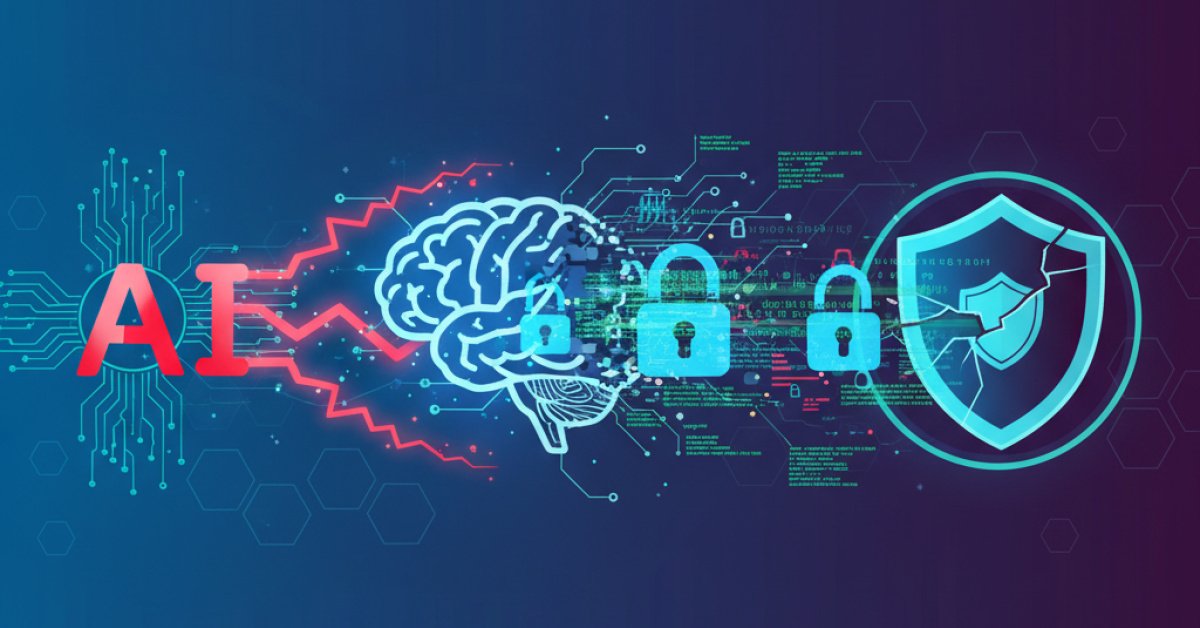
Today, we're in the middle of something entirely different. It's faster, it's bigger, and frankly, it's a little scarier. We've entered an era where the hunt for software bugs has become a full-blown arms race, and the weapon of choice is Artificial Intelligence. It's not just human vs. code anymore; it's AI vs. AI.
And this isn't some far-off sci-fi concept. It’s happening right now, and it’s fundamentally changing the game for everyone from software developers to the person just trying to keep their phone secure.
So, How Are the Bad Guys Using AI?
Let's start with the attackers, because that’s where the pressure is coming from. Think of a traditional hacker like a skilled burglar trying to find an open window in a giant mansion. They have to check every single one by hand. It takes time, and they might miss something.
Now, give that burglar an army of a million tiny, super-fast drones that can check every window, door, and loose shingle simultaneously. That’s what AI gives to attackers.
They're using sophisticated AI models to do things that were once incredibly time-consuming:
- Scanning Code at Lightning Speed: AI can tear through millions of lines of code in the time it takes a human to finish a cup of coffee. It’s looking for known vulnerability patterns, sure, but it’s also finding weird, subtle flaws that a person might easily overlook.
- "Fuzzing" on Steroids: Fuzzing is a technique where you throw a bunch of random, junk data at a program to see if it breaks. It’s a classic bug-hunting method. AI-powered fuzzing is way smarter. The AI learns from each crash, figures out what kind of junk data is most likely to cause a problem, and then generates more of that. It’s like it’s evolving its attack in real-time.
- Crafting the Exploit: Finding a bug is one thing. Actually writing the code to take advantage of it (the "exploit") is another. Some AI tools are getting good enough to not only spot a vulnerability but also suggest or even write the code to exploit it.
The result? The time between a new piece of software being released and a potential exploit being found is shrinking. Dramatically. It’s a numbers game, and AI has given the attackers a massive advantage in speed and scale.
The Good Guys Are Fighting Back With AI, Too
Now, it’s not all doom and gloom. The security community isn’t just sitting back and watching this happen. They're grabbing the same AI tools and turning them back on the attackers. This is where the "arms race" really kicks in.
If the attackers have an army of drones, the defenders are building an AI-powered defense grid.
Here’s how the "white hats"—the ethical hackers and security professionals—are leveling the playing field:
- Proactive Bug Hunting: Why wait for the bad guys to find a flaw? Companies are now unleashing their own AI models on their code before it ever gets released. These models act like tireless security analysts, flagging potential issues so developers can fix them early.
- Predicting Future Weaknesses: This is where it gets really cool. Some AI systems can analyze a company's past code and bug reports to predict where future vulnerabilities are most likely to pop up. It’s like a digital fortune-teller, telling developers, "Hey, you might want to double-check this part of the code; it looks a lot like something that broke last year."
- Automated Patching: Finding a bug is great, but fixing it across millions of devices is a logistical nightmare. AI is helping here, too. It can help generate code patches automatically, test them to make sure they don't break anything else, and speed up the whole process of getting the fix out to users.
Essentially, we're in a situation where the best defense against an AI-powered attack is an AI-powered defense. It's a classic cat-and-mouse game, but now the cat and mouse are both supercomputers.
Why This Arms Race Changes Everything
Okay, so it's AI vs. AI. Why should you care? Because this high-speed conflict has some very real consequences for all of us.
The biggest change is the incredible compression of time.
In the past, there was often a comfortable window—days, weeks, or even months—between when a major vulnerability was discovered by researchers and when bad actors figured out how to use it widely. This gave companies time to develop a patch and for us to install it.
That window is slamming shut.
With AI, a vulnerability could theoretically be found and weaponized in a matter of hours, or even minutes. This is what security experts call "zero-day" vulnerabilities, and the fear is that AI will create a world of "zero-minute" problems.
This puts immense pressure on everyone. Software developers have to be more vigilant than ever. Companies have to react instantly to threats. And for us, the end-users, it means keeping our systems updated is no longer just good advice—it's absolutely critical.
This isn't just about making things faster; it’s a fundamental shift in how we approach cybersecurity. The old model of building a wall and hoping it holds is obsolete. The new model is one of constant vigilance, rapid response, and intelligent, automated defense.
The race is on, and honestly, there's no finish line in sight. As AI gets more powerful, both sides will get more sophisticated. It’s a perpetual cycle of innovation. What we're seeing now is just the beginning. The key for all of us is to understand that the ground has shifted beneath our feet and to adapt to this new, much faster reality.