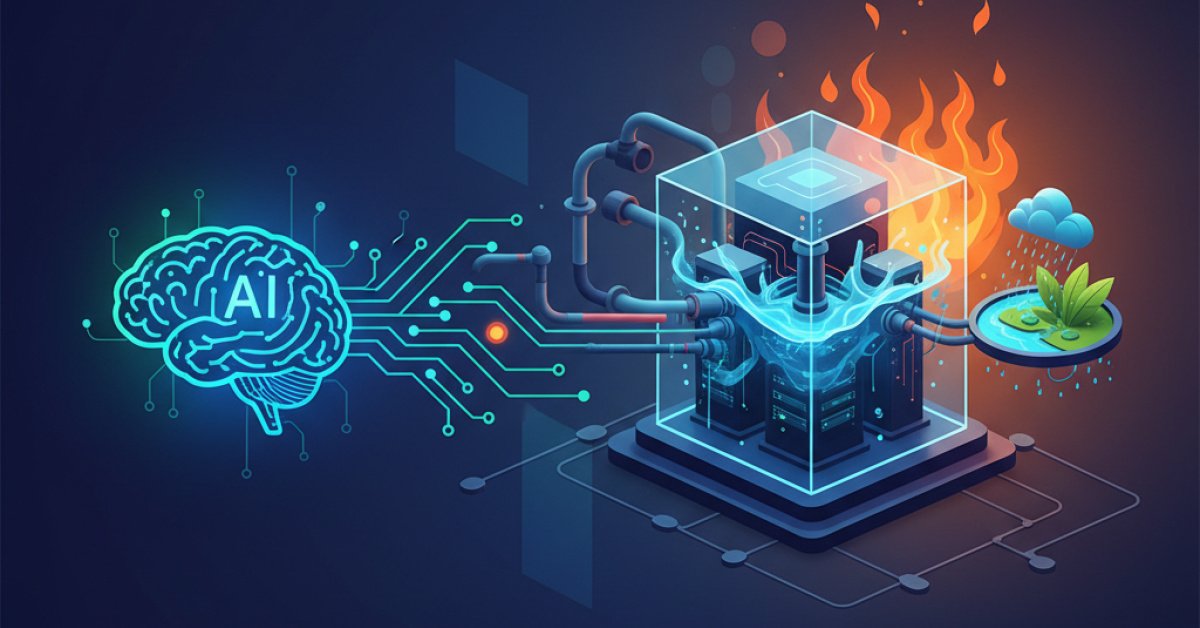
Have you ever stopped to think about what happens when you ask an AI to write an email or create an image? It feels like magic, right? A little spark of digital consciousness delivered right to your screen.
But behind that magic is something very, very real: a staggering amount of electricity.
We’re not talking about the power it takes to run your laptop. We’re talking about city-sized warehouses packed with servers, all running 24/7, getting hotter than a summer sidewalk. These data centers are the engines of the AI revolution, and they are incredibly, almost unbelievably, hungry for power.
And that hunger is creating a massive, nationwide headache that’s pitting tech giants against local communities and forcing a truly uncomfortable conversation about our energy future.
So, What’s the Big Deal with Data Centers?
Let me put it this way. For decades, electricity demand in the U.S. was pretty flat. Predictable. Power companies knew what to expect.
Then came AI.
Suddenly, tech companies are planning data centers that need as much power as a whole city. Amazon, Google, and Microsoft are on a building spree, and the projections are just wild. We’re talking about a demand for electricity that the grid simply wasn't built for.
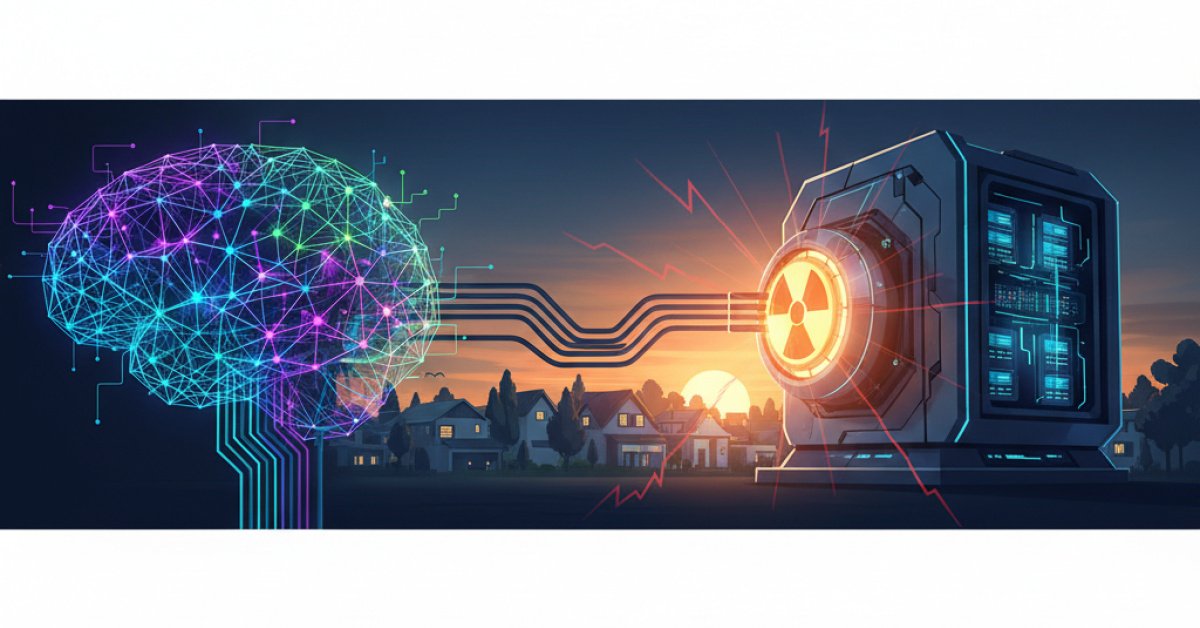
This has led to a huge "not in my backyard" problem. Communities are starting to push back, hard. They’re worried about the strain on their local power grids, the environmental impact, and the sheer scale of these operations. Imagine a new factory moving into your town that uses more electricity than all the homes and businesses combined. You’d probably have some questions, right?
That’s the reality in towns across the country. The AI boom is running headfirst into the physical limits of our infrastructure.
The Old Power Source is Tapping Out
Now, here’s where it gets even trickier. At the exact moment we need more power than ever, we’re shutting down the old workhorses of the electrical grid: coal plants.
For a long time, coal was the go-to. It was reliable, and we had a lot of it. But we all know the downsides. It’s dirty, and the pressure to move to cleaner energy has been mounting for years. So, one by one, these plants are going dark.
This creates a huge power gap.
Think of it like this: You’ve just bought a brand-new, top-of-the-line electric car that needs a supercharger (the AI data centers). But at the same time, your town decides to close down the main power station (the coal plants). You’ve got this incredible new technology, but you’re running out of places to plug it in.
That’s the dilemma we’re in right now. The demand is skyrocketing while a huge chunk of our reliable supply is disappearing.
And Now for the Plot Twist: Nuclear Power is Back
So, where do we turn? Solar and wind are fantastic, and we need more of them, but they have a consistency problem. The sun doesn't always shine, and the wind doesn't always blow. AI data centers, on the other hand, need power constantly. Every second of every day.
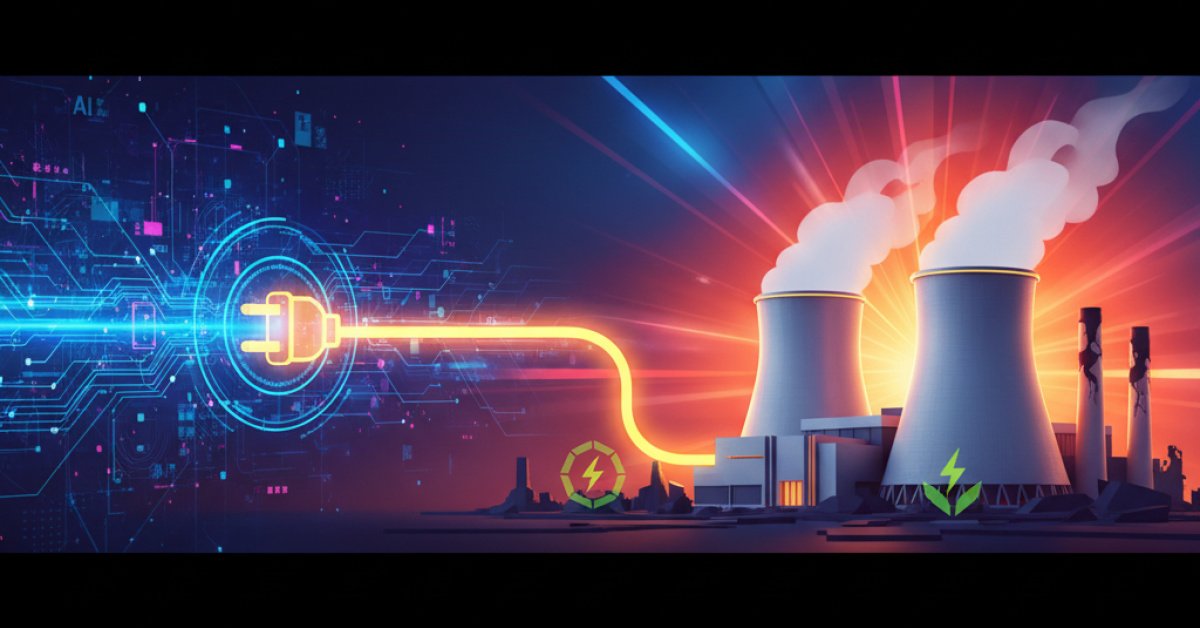
This is why, almost out of nowhere, an old, controversial player is stepping back into the spotlight: nuclear energy.
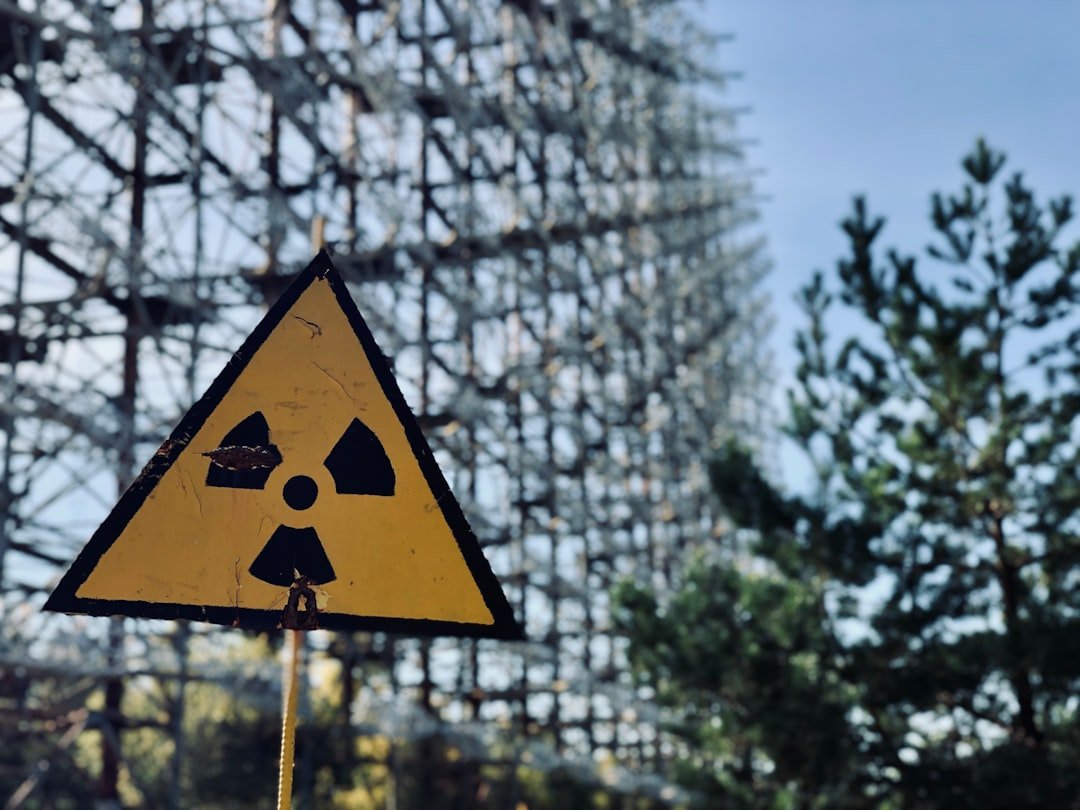
If you’re like me, your first thought might be of Chernobyl or The Simpsons. For decades, nuclear power was seen as the scary, complicated option. Public support was low, and building new plants was next to impossible.
But things are changing, and fast.
Suddenly, support for nuclear is soaring. And it’s not just one political party, either. We’re seeing a rare wave of bipartisan agreement that we need to get serious about nuclear again. Lawmakers are realizing that if we want to power the AI future and hit our climate goals, nuclear might be one of the only realistic tools in the toolbox.
Why the change of heart?
A few things are happening here:
- It's carbon-free: Nuclear plants generate a massive amount of electricity without producing greenhouse gases. For climate-conscious politicians and companies, that’s a huge plus.
- It's reliable: Unlike renewables, a nuclear plant can run 24/7, 365 days a year, providing the kind of steady, baseline power that data centers crave.
- Newer, safer tech: There’s a lot of talk about new designs, like Small Modular Reactors (SMRs), that are supposed to be safer, cheaper, and faster to build than the giant plants of the past.
It’s a surprising turn of events, to say the least. The same energy source that was a political pariah for a generation is now being hailed as a potential savior for our tech-driven future.
Welcome to the New Energy Battleground
So, let's pull all these threads together.
We have an AI industry with an insatiable appetite for power. We have local communities putting up roadblocks. We have an old, reliable power source (coal) on its way out. And we have a powerful but controversial solution (nuclear) making a comeback.
This is the new front in the energy wars. It’s not just about oil pipelines or solar panels anymore. It’s about whether a new data center gets built, how our towns are powered, and what kind of energy sources we’re willing to bet on for the next 50 years.
There are no easy answers here. Building new nuclear plants is still incredibly expensive and takes a long time. There's still the question of what to do with the nuclear waste. And public opinion, while shifting, could easily shift back.
But one thing is crystal clear: the casual, almost invisible way we've used electricity is over. The AI revolution is forcing us to confront the true cost of our digital world. The next time you marvel at what an AI can do, just remember the massive, complicated, and high-stakes power play happening behind the scenes to make it all possible. It's a story that's just getting started, and it’s going to shape our world for decades to come.