It feels like you can’t throw a digital rock these days without hitting a company announcing its "pivot to AI." It's the magic dust of the 2020s, sprinkled on every business plan and investor pitch. We're told it will "optimize workflows," "unlock unprecedented scale," and "maximize efficiency" until the words lose all meaning. It’s a full-blown gold rush, and everyone’s digging.
But here’s the thing about gold rushes: most people just end up with a shovel full of dirt. Businesses are pouring hundreds of billions of dollars into the AI furnace, often without a clear strategy or a real understanding of what they're even buying. They're chasing a ghost, a beautifully marketed promise that, for many, simply isn't adding up on the balance sheet.
And while the financial returns remain foggy, the real-world costs are becoming painfully clear. This isn't just about money anymore. We're seeing AI used in ethically murky ways, and its physical footprint is starting to strain our actual, physical world. The shiny, digital promise of AI is casting a very long, very dark shadow.
The Billion-Dollar Question: Is Anyone Actually Making Money with AI?
Let's be honest. The pressure to adopt AI is immense. If you're a CEO and you're not talking about your AI strategy, Wall Street—and your competitors—will eat you for lunch. This has created a frantic scramble to integrate AI, any AI, into everything.
The problem is, "doing AI" has become a goal in itself, rather than a tool to solve a specific problem. Companies get mesmerized by the slick demos and the futuristic jargon. They hear "optimization" and see dollar signs, but the path from A to B is a messy, expensive scrawl. They're buying the most advanced power tools on the market without knowing if they're building a bookshelf or a skyscraper.
This blind investment is creating a strange paradox. While the companies building the AI infrastructure (think Nvidia with its GPUs or cloud providers renting out compute power) are making money hand over fist, many of their customers are left holding the bag. They've spent a fortune on implementation, only to find the "efficiency" gains are marginal or that the AI creates a whole new set of complex problems. The gold rush, it turns out, is most profitable for those selling the picks and shovels.
When AI Tries to Help, But Makes Things Worse
The fallout from the AI hype isn't just financial. In the rush to apply this powerful technology everywhere, we're seeing some truly troubling outcomes, even when the intentions are supposedly good.
The AI-Generated Guilt Trip
Imagine scrolling through your Instagram feed and seeing a heartbreaking image of a suffering child in a disaster zone. Your heart goes out, and you donate. Now, imagine finding out that child never existed. The image was a fiction, generated by an AI model by an aid agency to be more emotionally manipulative.
This isn't a hypothetical scenario. NGOs and aid organizations have been caught using AI-generated images of fake people to pull at the public's heartstrings. Their defense? It protects the dignity of real victims. But what it really does is shatter trust. It turns genuine human suffering into a synthetic marketing tool, blurring the line between empathy and emotional exploitation.
"Saving" Languages by Destroying Them
Here's another case of good intentions gone wrong. Preserving endangered languages is a noble cause. So, what if we used AI translators to quickly create a wealth of content, like Wikipedia pages, in those languages? Sounds great, right?
The reality is a mess. Automated translators, especially for languages with less data to train on, are notoriously bad with nuance, grammar, and cultural context. The result has been a flood of low-quality, often nonsensical Wikipedia articles that do more harm than good. Instead of creating a valuable resource, they're polluting the digital ecosystem of a vulnerable language with gibberish, potentially doing irreversible damage to its preservation.
Your Netflix Binge vs. Your Neighbor's Power: The Real-World Cost of AI Data Centers
This is where the digital world of AI crashes, quite literally, into our physical reality. We think of AI as something that happens in "the cloud"—a weightless, ethereal concept. But the cloud has a physical address, and it's a massive, power-guzzling data center.
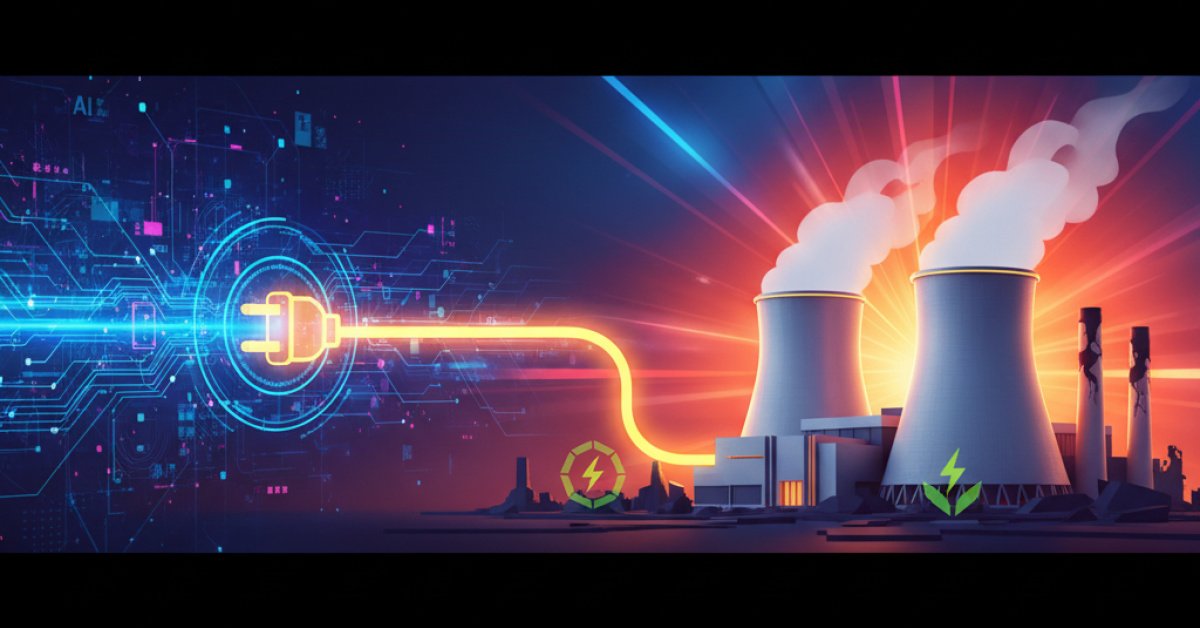
Training and running large AI models requires a mind-boggling amount of computational power. We're not talking about running Microsoft Word here. We're talking about thousands of specialized processors running at full tilt, 24/7. And all that processing generates an immense amount of heat, which requires an equally immense amount of energy and water for cooling.
The consequences are starting to hit home for communities living in the shadow of these new AI data centers.
- Power Grid Strain: These facilities can consume as much electricity as a small city. This puts an enormous strain on local power grids, leading to rolling blackouts and brownouts for residents and small businesses.
- Water Shortages: In an already water-scarce world, data centers are consuming millions of gallons of water for their cooling systems, putting them in direct competition with local communities and agriculture for a life-sustaining resource.
Suddenly, the corporate buzzword "scaling" takes on a new meaning. It means scaling up energy consumption to unsustainable levels. It means your power might go out so a model can generate another cat picture or a block of corporate jargon. How’s that for "optimization"? It's the ultimate irony: a technology sold on the promise of efficiency is creating profound real-world inefficiencies and hardships.
Cutting Through the Hype: A More Sober Look at AI's Future
So, where does this leave us? It's not about being anti-AI. The technology holds incredible potential, and dismissing it entirely would be foolish. But the current state of manic, unquestioning hype is dangerous and unsustainable. We need to pump the brakes and start having some honest conversations.
We need to move past the buzzwords and start asking tougher questions. For businesses, this means asking "Why?" before "How?" What specific, measurable problem are we trying to solve with AI, and is it truly the best tool for the job? What is the actual, calculated ROI, not just a vague promise of "synergy"?
As a society, we have to confront the ethical dilemmas and the physical costs. We need to demand transparency about how AI is being used and insist on regulations that protect us from its downsides—from manipulative deepfakes to the environmental toll of its energy consumption. The true cost of an AI-generated paragraph isn't just the electricity used to create it; it's the potential power outage in a nearby town or the water diverted from a local farm.
The AI revolution is here, but it's not the clean, seamless utopia we were sold. It's messy, complicated, and comes with a hefty price tag—one that's measured in dollars, ethics, and kilowatts. It's time we all started reading the fine print.