We’ve all seen the fun side of AI image generators, right? You type in a silly prompt like “a corgi riding a T-Rex on the moon,” and a few seconds later, you’ve got a masterpiece for your group chat. It’s amazing, it’s creative, and it feels like a little piece of the future landed on our desktops.
But there’s a shadow side to this technology that we absolutely need to talk about. A much darker, more predatory side. It turns out that some of the most popular and powerful AI tools out there, including those from giants like Google and OpenAI, are being used for something incredibly disturbing: creating fake, revealing images of women.
And we're not talking about some niche, dark-web tool that requires a computer science degree to operate. People are figuring out how to do this using mainstream AI chatbots, and they're sharing the instructions online. This isn't a theoretical problem anymore. It's happening right now, and it’s frighteningly easy.
So, How Are People Actually Doing This?
You might be wondering, "Don't these AI models have safeguards?" And you're right, they do. If you were to go to an AI image generator and type in an explicit prompt, you’d almost certainly get a polite refusal. The companies behind these tools have spent a lot of time and money trying to prevent their tech from being used to create harmful content.
Here's the thing, though. It's become a digital cat-and-mouse game.
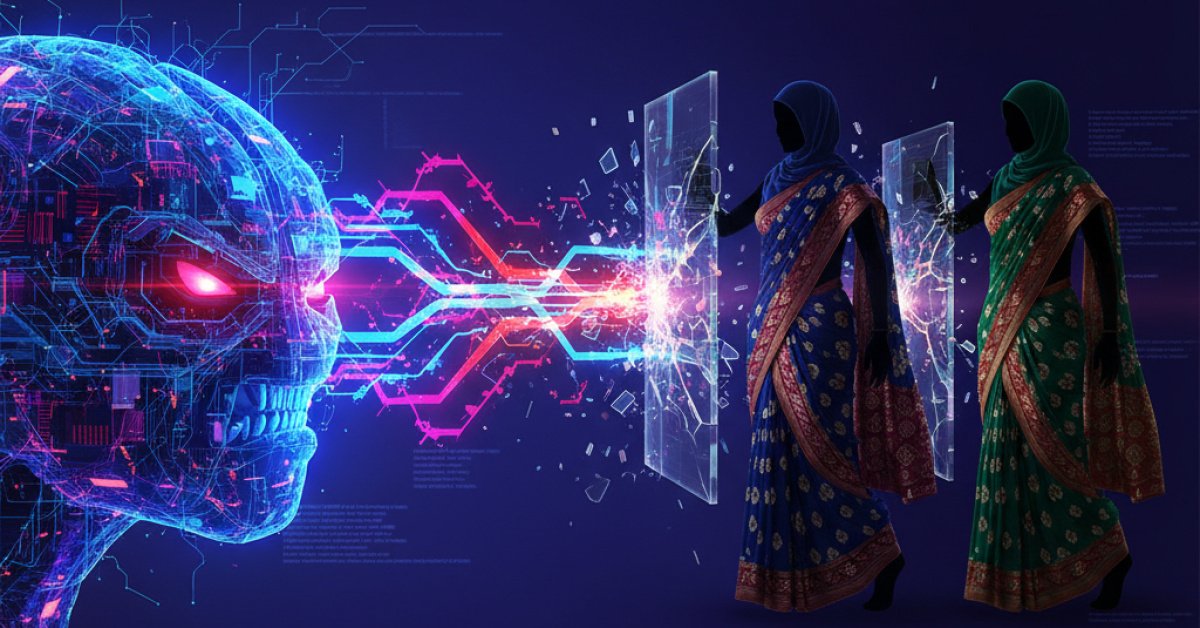
Users have discovered that they can trick the AI by using clever, roundabout prompts. Instead of asking for something explicit directly, they use a kind of coded language. They’ve found specific keywords and phrases that bypass the AI's safety filters, essentially tricking it into generating the very images it’s been programmed to block.
Think of it like trying to get a child to eat their vegetables by hiding them in a smoothie. The AI doesn't "see" the malicious request because it's cloaked in innocent-sounding language. Users are experimenting constantly, finding new combinations of words that work, and then sharing these "recipes" in online communities. They’ll take a perfectly normal photo of a fully clothed woman, upload it, and use these carefully crafted prompts to have the AI "re-imagine" her in a bikini or less.
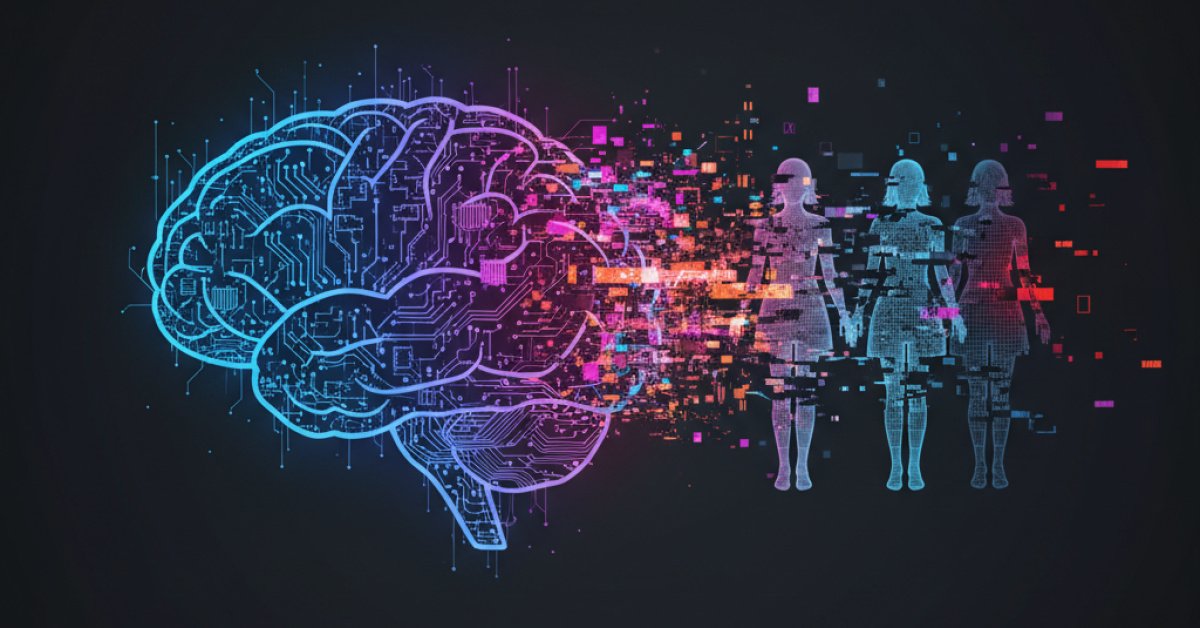
The results are often shockingly realistic. They’re not perfect, but they’re good enough to be weaponized for harassment, blackmail, or public humiliation. It’s a violation that feels deeply personal, turning a person's own image against them without their consent.
This Isn't Some Obscure App—It's the Big Guys
What makes this so alarming is that it’s not happening on the fringes. The tools being exploited are from the biggest and most respected names in the tech industry. We're talking about the AI integrated into products from Google and OpenAI, companies that are pouring billions of dollars into making AI a part of our daily lives.
This isn't a bug; it's a feature being exploited. The very power that makes these AI models so incredible at creating art or writing code is the same power that makes them vulnerable to this kind of manipulation. Their ability to understand nuance and context can be turned against them.
For the tech companies, it's a constant battle. They'll identify a loophole and patch it, but within days or even hours, users find a new way around the fix. It’s like playing whack-a-mole, but the stakes are incredibly high. Every time a new method is discovered, it opens the door for more harm to be done.
The Real-World Harm Is No Joke
Let's be very clear about something: this isn't a victimless prank. Creating and sharing these kinds of images is a form of digital violence. It's non-consensual, it's exploitative, and it can have devastating psychological effects on the person being targeted.
Imagine seeing a realistic, revealing image of yourself online that you know you never took. It could be used by an ex-partner for revenge, by a bully to harass you, or by a complete stranger just for kicks. The damage to a person’s reputation, career, and mental health can be immense and lasting.
This is the grim reality of powerful technology being made available to everyone. While the vast majority of us will use it for good or for harmless fun, a determined minority will always look for ways to use it to cause harm. And as AI gets more powerful and more realistic, the potential for that harm only grows.
We’re at a critical point where we have to ask some tough questions. Is it even possible to build foolproof safeguards for a technology this flexible? Who is ultimately responsible when it's misused—the company that built the tool, or the person who typed the prompt?
There are no easy answers here. As we continue to integrate AI more deeply into our society, we're going to have to grapple with these ethical dilemmas head-on. It's not enough to just be amazed by what AI can do; we also have to be vigilant about how it can be used to hurt people. This isn't just a tech problem; it's a human one. And it’s a conversation we need to keep having, loudly and openly.