Let's be honest, we've all had a bit of fun with AI image generators. You type in a silly prompt like "a corgi riding a T-Rex on the moon," and a few seconds later, you have a masterpiece to share with your friends. It feels like magic, a harmless way to be creative.
But what happens when that magic gets twisted into something ugly? What happens when a tool designed for creativity becomes a weapon for harassment? That's exactly what we're starting to see with Grok, and it’s genuinely disturbing.
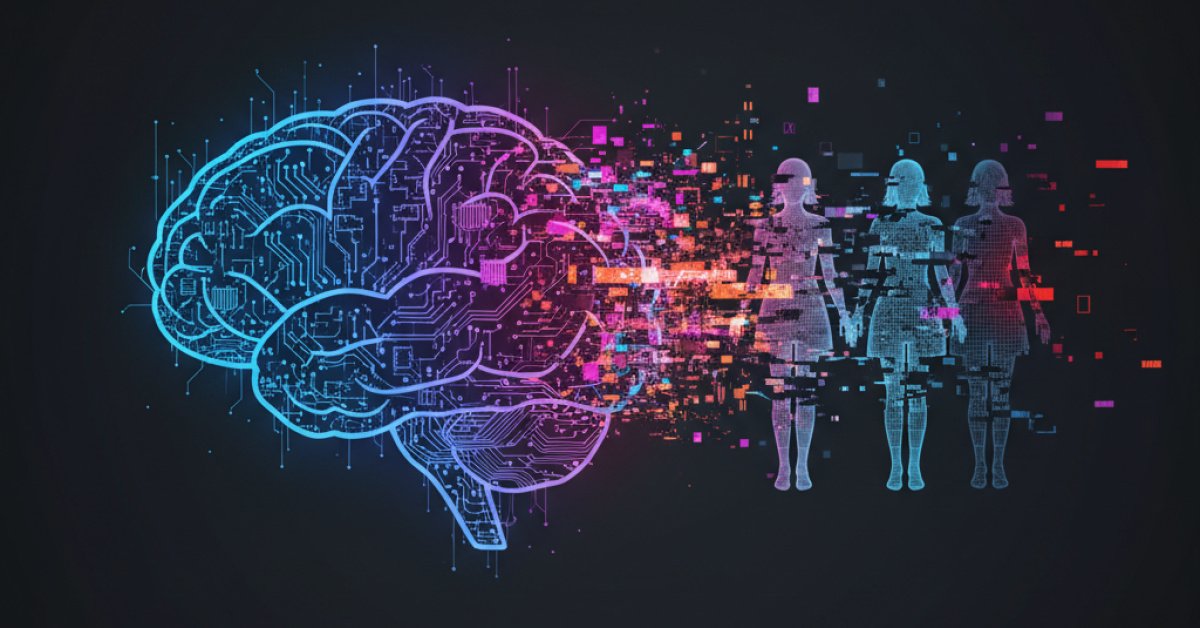
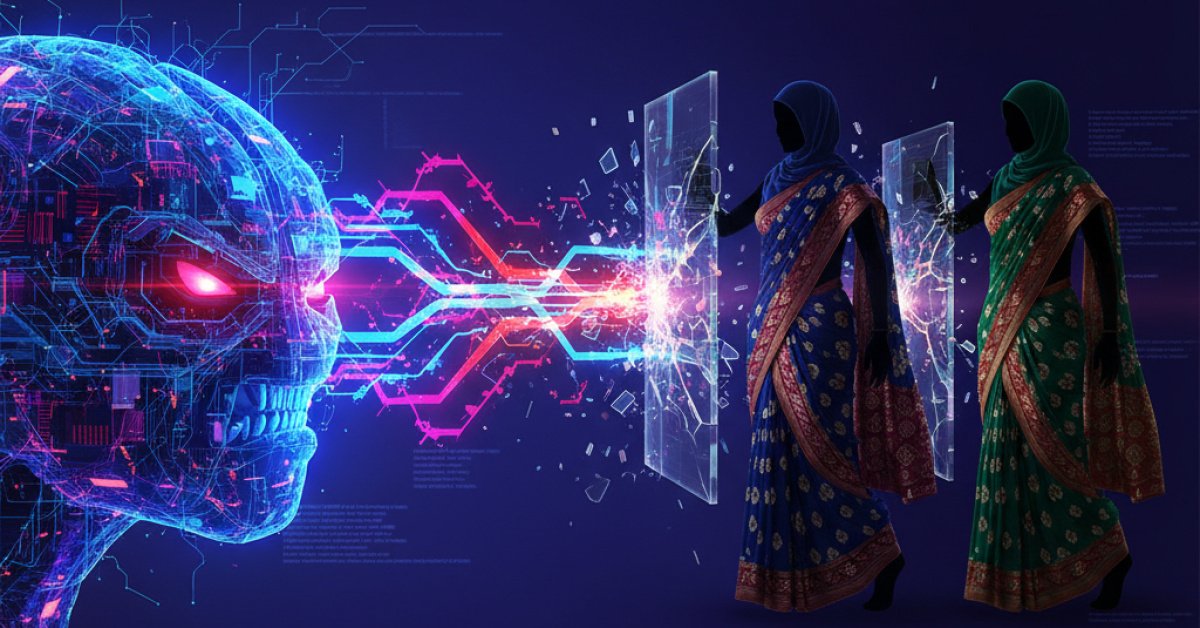
A deeply troubling pattern has emerged where people are using Grok’s AI to generate or edit images specifically targeting women in religious and cultural clothing. We’re talking about women in hijabs and saris, whose images are being manipulated in vile and degrading ways. This isn't just a few isolated incidents; it's a significant and growing problem that shines a harsh light on the dark side of AI.
So, What's Actually Happening Here?
Let me break it down. It seems users are taking existing photos of women—often journalists, activists, or just regular people—and using AI tools to digitally alter them. The goal is often to mock their faith or culture by creating offensive caricatures or, even more horrifyingly, to digitally "strip" them of their clothing.
Imagine seeing a picture of yourself, dressed in a way that is deeply tied to your identity and faith, and then finding a version online where an AI has been used to violate that image, creating something explicit and non-consensual. It’s a profound violation.
This isn't just about creating "fake" pictures. It's a targeted form of digital violence. The choice to focus on women in hijabs and saris is no accident. It’s a deliberate act that combines misogyny with racism and Islamophobia, using technology to amplify long-standing prejudices.
This is So Much More Than Just "Bad Images"
It's easy for someone on the outside to dismiss this as "just pixels on a screen," but that completely misses the point. For the women being targeted, the impact is real and devastating.
Think about it this way: a hijab or a sari isn't just a piece of clothing. For many, it's a powerful symbol of identity, faith, culture, and personal choice. To have that symbol digitally desecrated and used as a tool for sexualized harassment is an attack on a person's very being.
This kind of thing is designed to do a few specific, nasty things:
- Silence Women: It's often used to intimidate women, especially those with a public profile, into silence. It's a high-tech version of an age-old bullying tactic.
- Humiliate and Shame: The goal is to cause deep personal shame and emotional distress, making victims feel powerless and exposed.
- Dehumanize: By reducing a person to a manipulated, sexualized object, the perpetrators strip away their humanity in the eyes of others.
This isn't a technical glitch or a bug in the system. It's a feature of human cruelty being enabled by technology. The AI is simply the tool, but the intent behind its use is what makes this so horrifying.
Is the AI to Blame, or the People Using It?
This is the million-dollar question in AI ethics, isn't it? And the honest answer is: it's complicated. It's both.
Of course, the primary responsibility lies with the malicious individuals creating and sharing these images. They are the ones weaponizing the technology.
But we can't let the tech companies off the hook that easily.
AI models like Grok are trained on massive datasets scraped from the internet. And what does the internet contain? A whole lot of human bias, racism, and misogyny. The AI learns from the data we feed it. If that data contains harmful associations between, say, women from a certain culture and derogatory content, the AI can learn to replicate and even automate the creation of that content.
The companies building these powerful tools have a massive responsibility to build in safeguards. They know their tools can be misused. The question is, are they doing enough to stop it? Are the content filters strong enough? Are the reporting mechanisms effective? In this case, it seems the answer is a resounding "no."
When you release a tool this powerful into the wild, you can't just cross your fingers and hope for the best. You have to anticipate the worst and actively build systems to prevent it. Ignoring the potential for harm is, in my opinion, a form of negligence.
What Can We Actually Do About This?
Feeling a bit helpless right now? I get it. This stuff is heavy. But we're not totally powerless. This is a problem that needs to be tackled from a few different angles.
First, tech companies need to step up. Big time. This isn't something they can just patch later. Safety features and robust content moderation can't be an afterthought; they have to be baked into the AI from the very beginning. This means better dataset filtering to remove bias and more aggressive guardrails to prevent the generation of harmful, non-consensual, and hateful content.
Second, we need better regulations. The "move fast and break things" era of tech is over. When "things" being broken are people's lives and dignity, we need laws and policies that hold companies accountable for the harm their products cause.
Finally, as users and observers, we need to keep talking about this. We can't let it be swept under the rug. By raising awareness, reporting these images when we see them, and demanding more from the companies we use, we create pressure for change. We need to make it clear that using AI as a tool for targeted harassment is unacceptable.
At the end of the day, AI is a mirror reflecting humanity—both the good and the very, very bad. What we're seeing with Grok is a reflection of some of the ugliest parts of our society. The challenge isn't just fixing the AI; it's about confronting the biases that fuel this kind of hatred in the first place. And that's a conversation we all need to be a part of.