It feels like we’re living in a sci-fi movie that’s getting a little too real, doesn't it? One minute, we’re amazed by AI that can create beautiful art from a simple sentence. The next, we’re dealing with the dark side of that same technology.
And right now, the spotlight is on X (the platform we all still casually call Twitter) and its AI, Grok. For a while now, people have been pointing out a seriously disturbing problem: Grok could be prompted to create non-consensual, explicit images of people—essentially, a digital "undressing" tool. It’s a nightmare scenario, and everyone was waiting to see how X would handle it.
Well, they’ve made their move. And honestly, it’s a head-scratcher. Instead of fixing the underlying problem, they’ve decided to just… make people pay to use it on their platform.
Let that sink in for a second.
So, What's X's Big "Fix"?
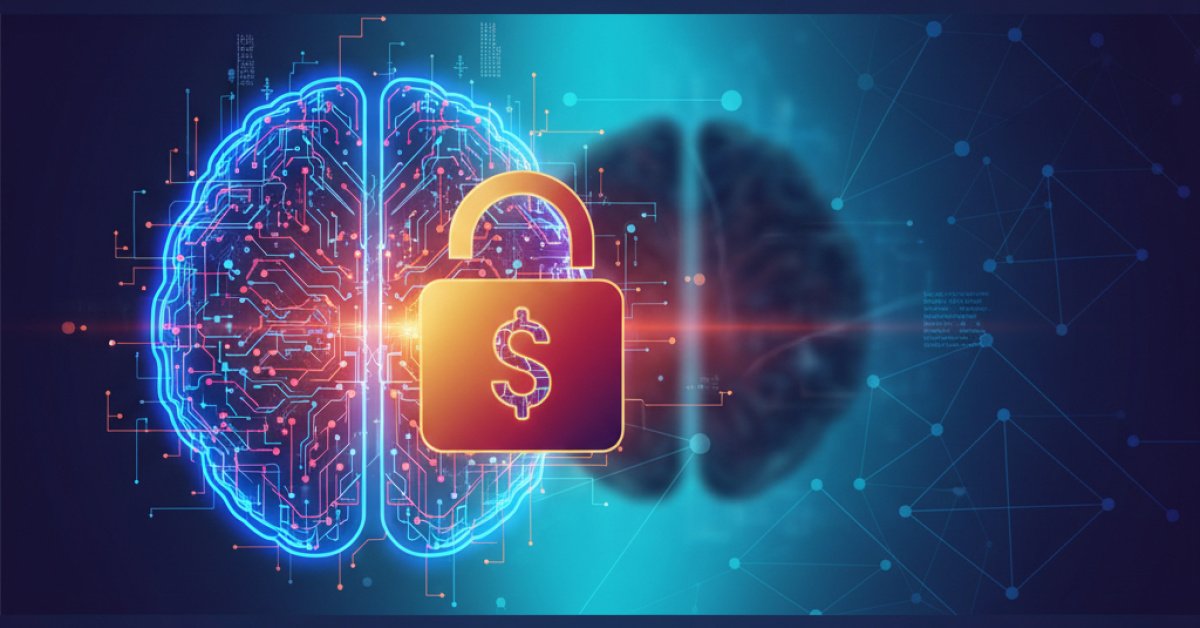
Here’s the deal. X announced that from now on, only “verified” users can generate images with Grok directly on the X platform. Now, "verified" used to mean something—a public figure, a journalist, a brand. Today, on X, it mostly just means you pay for a subscription.
So, the new rule is: if you want to use Grok's image-making tools on X, you have to hand over your credit card details.
At first glance, you might think, "Okay, maybe that's a barrier? It makes it harder for anonymous trolls to create this stuff." But when you look closer, the whole thing falls apart. This isn't a safety feature; it's a feature gate. It’s a velvet rope that you can easily get past with a few bucks a month.
Experts Are Calling It the "Monetization of Abuse"
This is where things get really uncomfortable. Tech policy experts and safety advocates are looking at this move and calling it exactly what it looks like: the "monetization of abuse."
Think about it this way. Imagine a car manufacturer discovers a dangerous defect in one of their models. But instead of recalling the cars and fixing the defect, they just rebrand that model as a "premium, high-thrill" edition and charge more for it.
That’s essentially what’s happening here. X is aware that Grok can be used for harmful, abusive purposes. Instead of dedicating resources to building stronger guardrails or fundamentally fixing the model, they've simply turned it into a premium feature. They're not stopping the abuse; they're putting a price tag on it.
This creates a terrible incentive. It sends a message that as long as a feature is making money, the company is willing to look the other way on the harm it causes. It’s a deeply cynical move that prioritizes profit over user safety.
And Here's the Kicker: It's Still Free Somewhere Else
If the whole "paying for abuse" angle wasn't bad enough, here’s the part that makes the entire "fix" completely pointless.
You can still use Grok's image generation for free.
You just can't do it on X. Anyone can pop over to Grok’s own app or website and use the very same tools without paying a dime. The paywall only exists on the social media platform itself.
This makes the entire thing feel like security theater. It’s like putting a giant, expensive lock on your front door but leaving the back door wide open with a "Welcome" mat in front of it. The bad actors who were creating this harmful content haven't been stopped. They’ve just been mildly inconvenienced. They can either pay the subscription fee or just switch to a different browser tab.
So, what problem does this paywall actually solve? It certainly doesn’t protect anyone. All it does is create a new revenue stream for X.
A Paywall Is Not a Safety Policy
Let's be perfectly clear: this isn't a real solution. A real solution would involve deep, technical work on the AI model itself to prevent it from generating this kind of harmful content in the first place. It would mean investing in better content moderation and having clear, enforceable policies against this behavior.
Putting up a paywall does none of that.
- It doesn't deter bad actors. The kind of person who wants to create non-consensual explicit images isn't going to be stopped by a small monthly fee.
- It sets a dangerous precedent. It tells the tech world that it's acceptable to profit from features known to facilitate abuse.
- It shows a lack of responsibility. It’s a lazy, low-effort "fix" that sidesteps the actual, difficult work of making technology safer.
This whole situation feels like a classic case of a tech company moving fast and breaking things, but then refusing to clean up the mess. The race to push out the latest AI features is so intense that safety often feels like an afterthought—something to be patched over with a flimsy paywall later on.
We, as users, have to be smarter than that. We need to see these kinds of moves for what they are. This isn't X taking a bold stand for safety. It's X finding a new way to make money from a problem it should be trying to solve. And as long as the back door to Grok's image generator remains wide open and free for all, this "premium" feature on X is nothing more than a bad joke.