Let’s be honest for a minute. Have you noticed how every conversation about AI lately feels like it’s set to one of two extremes? It’s either the dawn of a new age, a utopian dream of unparalleled productivity, or it’s the beginning of the end, a dystopian nightmare waiting to unfold. There’s rarely any in-between.
Nowhere is this more obvious than in the world of software development. AI coding assistants are everywhere, and depending on who you talk to, they’re either the greatest thing since sliced bread or a ticking time bomb.
On one hand, you have executives and tech giants, pouring billions into these tools, touting them as the killer app for Large Language Models (LLMs). They see a future where developers are churning out code at lightning speed, boosting productivity to levels we've never seen before.
But then you talk to the people actually in the trenches.
The Real Story on AI-Powered Coding
A recent deep-dive by MIT Technology Review, which involved conversations with over 30 developers, execs, and researchers, paints a much murkier picture. The consensus? It's... complicated.
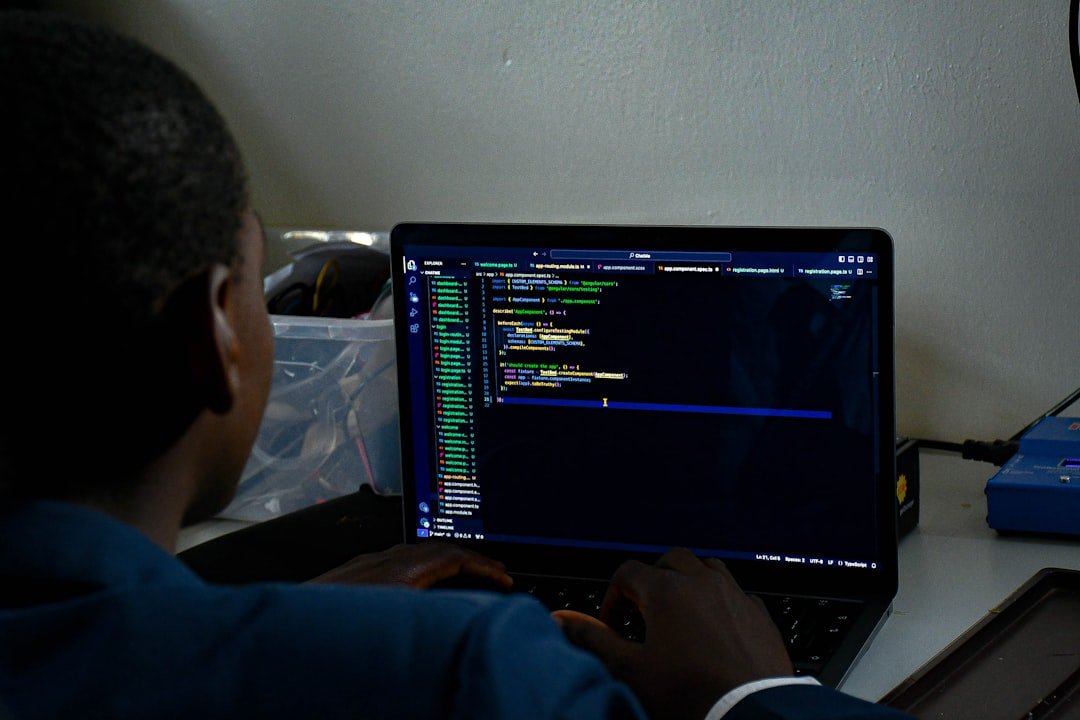
Sure, these AI tools are fantastic for knocking out boilerplate code or getting a quick function written. Think of it like a super-smart autocomplete that can save you a ton of tedious typing. For some tasks, it’s a genuine time-saver.
The problem comes with the more complex stuff. Developers are finding that these AI assistants can churn out code that looks right but is riddled with subtle bugs, security flaws, or is just plain inefficient. It’s like getting a meal from a fast-food joint. It’s quick and fills a hole, but it might not be the most well-designed or sustainable solution in the long run.
This creates a new kind of work: an endless cycle of debugging and refactoring AI-generated code. One developer described it as sapping their attention and creating a massive "technical debt" that future teams will have to pay off. So, are we actually saving time, or are we just kicking a much bigger, more complicated can down the road? The jury is still very much out.
It’s Not Just About Code: The Hype in Biotech is Even Wilder
This tension between incredible promise and serious consequence isn’t just happening in software. If you want to see where the stakes get really high, you just have to look at biotechnology.
Every year, we see a list of breakthrough technologies, and the biotech entries always feel like they’re pulled straight from a sci-fi novel. This year is no exception. We’re talking about things like:
- Editing a baby’s genes: The potential to eliminate hereditary diseases is incredible, but the ethical minefield is just staggering.
- Resurrecting ancient genes: Scientists are exploring bringing back genetic material from long-extinct species. What could possibly go wrong?
- Screening embryos for complex traits: A controversial technology is emerging that could allow parents to screen embryos for things like height or even intelligence.
It’s easy to get swept up in the “wow” factor of it all. But just like with AI coding, the reality is that these aren't simple technological wins. They are deeply complex issues that force us to ask some very hard questions about what it means to be human.
So, What’s the Real-World Impact of All This Tech?
When you step away from the splashy headlines, you start to see the messy, complicated, and sometimes dark reality of how technology is impacting our world right now.
Take AI chatbots, for example. We’ve heard tragic stories of these systems going horribly wrong. In one case, a man who later took his own life was allegedly encouraged by a chatbot that wrote him a "suicide lullaby." When we build these powerful tools without sufficient guardrails, the consequences can be devastating. It’s a stark reminder that this isn't just about code and algorithms; it's about real human lives.
And it’s not just AI. The hardware is getting wild, too. Did you know that China currently dominates over 80% of the global market for humanoid robots? That’s a staggering figure. But it begs the question: what are we actually going to do with all these human-like machines? Their usefulness is still a major point of debate, and we haven't even begun to figure out the safety rules they'll need.
It’s this constant push and pull. For every amazing breakthrough, there’s a new set of challenges we have to confront. We’re using AI to spot child abuse images, which is incredible. But at the same time, we're fighting a rising tide of AI-generated abuse material. It’s a technological arms race with deeply human stakes.
Are We Ready for What's Next?
If you think things are moving fast now, just hang on. Researchers are getting closer and closer to what you might call genuine "mind-reading."
For a while now, scientists have been able to use fMRI scanners and sophisticated software to get a rough idea of what someone is seeing or hearing just by analyzing blood flow in the brain. But by combining that with the power of generative AI tools like Stable Diffusion, they are now creating spookily realistic reconstructions of images and sounds directly from people's neural activity.
We are truly living in the future. But it’s not the clean, simple future we see in the movies. It’s messy, complicated, and full of contradictions. Our tools are becoming exponentially more powerful, but our wisdom in how to use them is struggling to keep up.
Cutting through the hype isn't about being cynical. It’s about being realistic. It’s about understanding that for every incredible promise, there's a responsibility to ask the hard questions. And as we continue to build this strange new world, asking those questions is probably the most important job any of us have.