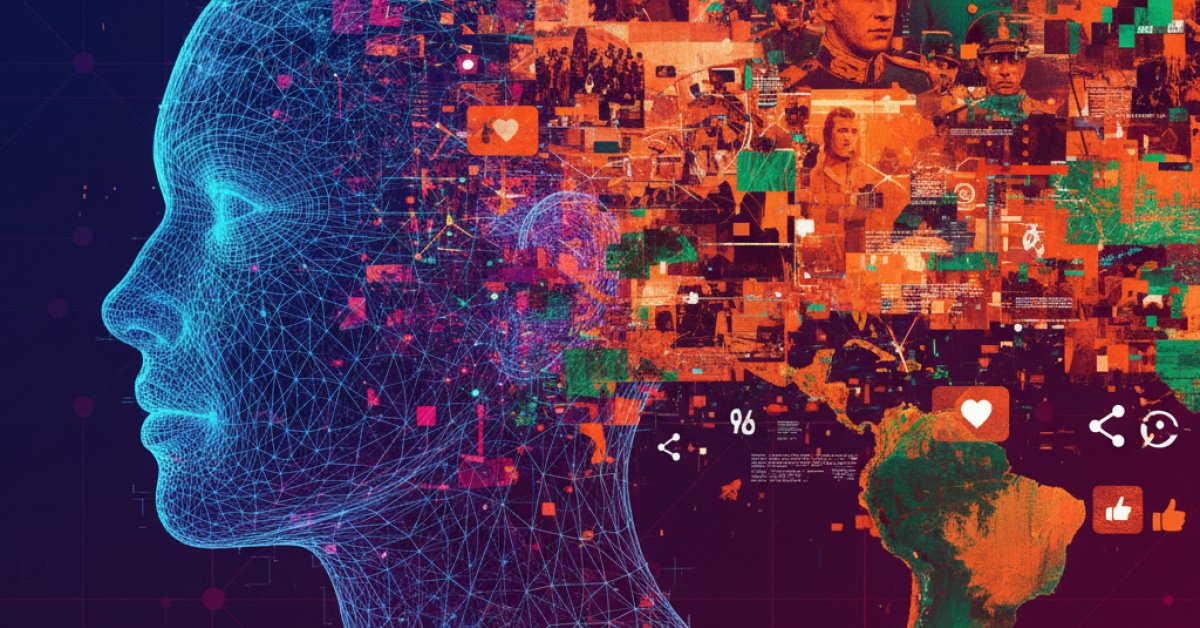
Have you ever been scrolling through your social media feed and felt a weird sense of déjà vu? You see a tweet, then a TikTok, then a YouTube short all making the exact same point, using almost the same language. It feels a little too coordinated to be a coincidence.
Well, if you’ve recently seen a spike in content about how China is on the verge of dominating the world with artificial intelligence, your gut feeling might be right. It turns out there’s a well-funded, behind-the-scenes campaign designed to make you feel exactly that way.
And the money behind it? It’s coming from some of the biggest names in Silicon Valley. This isn't just random chatter; it's a calculated effort to shape how we all think about the future of AI.
So, Who's Pulling the Strings?
Let me introduce you to a group called "Build American AI." On the surface, it sounds patriotic, right? It’s a nonprofit organization, which usually gives off an air of public service. But things get a lot more interesting when you follow the money.
Build American AI is linked to a super PAC. And if you know anything about American politics, you know that "super PAC" is often code for a system that allows a lot of money to flow into influencing public opinion, sometimes without total transparency.
The real kicker is who is bankrolling this operation. We’re talking about executives from some of the most powerful players in the AI world: OpenAI (the folks behind ChatGPT) and Andreessen Horowitz (also known as a16z), one of the most influential venture capital firms in Silicon Valley.
So you have the creators of the world's most famous AI and the investors funding the next generation of AI startups, and they're putting their money into a campaign to control the narrative. That should make you sit up and pay attention.
The Goal: Create an AI Boogeyman
What's the message they're paying to spread? It’s a simple, powerful, and frankly, scary one: China is our rival in a high-stakes AI race, and we are at risk of losing.
Think of it like the Space Race in the 20th century. The narrative was that we had to beat the Soviets to the moon. It created a sense of national urgency, unlocked massive government funding, and pushed technology forward at a breakneck pace. This campaign is trying to create a similar dynamic for AI.
The messaging you'll see from influencers involved in this campaign often hits a few key notes:
- Fear: China’s government has a centralized, no-holds-barred approach to developing AI.
- Urgency: They’re catching up to, or even surpassing, the U.S. in key areas.
- A Call to Action: America needs to move faster, innovate more, and—this is the important part—worry less about regulations that could slow us down.
It’s a clever strategy. By framing AI development as a matter of national security, it subtly reframes the entire conversation. Suddenly, concerns about AI safety, ethics, and potential job losses can be dismissed as secondary. The main goal becomes winning, at any cost.
Why Use Influencers?
This is where the strategy gets really modern. Instead of just running TV ads or lobbying politicians in Washington D.C., they're paying social media influencers to carry their message.
Why? Because it feels more authentic.
When a message comes from a creator you follow and trust, it doesn't feel like a corporate press release or a political ad. It feels like a genuine opinion. It’s a powerful way to launder a talking point, making a coordinated PR campaign look like an organic groundswell of public opinion.
These aren't always massive tech celebrities, either. The most effective influence campaigns often use a network of mid-sized creators who have a dedicated and trusting audience. A comment here, a talking point there, and soon enough, the idea is everywhere. It becomes part of the air we breathe online.
Why This Matters to You (Even If You Don't Care About AI)
Okay, so a bunch of rich tech guys are trying to influence public opinion. What else is new?
Here’s the thing: this isn't just industry drama. The narrative they're pushing has real-world consequences for all of us. When the public and politicians are convinced that we're in a "do-or-die" race with China, it creates immense pressure to deregulate.
Think about it. Arguments for slowing down to consider the risks of AI can be painted as unpatriotic or naive. "We can't afford to hit the brakes when China is speeding ahead!" That becomes the go-to response.
This could mean:
- Less oversight on how powerful AI models are built and deployed.
- Fewer guardrails to protect against misuse, bias, or economic disruption.
- A "move fast and break things" mentality applied to a technology far more powerful than a social media app.
It’s a classic case of creating a foreign threat to achieve a domestic goal. The goal, in this case, seems to be a regulatory environment where the big AI companies can operate with as few restrictions as possible.
It's a bit ironic, isn't it? The very people building this potentially world-changing technology are using old-school political tactics to ensure they can keep building it on their own terms.
So, the next time you're scrolling and see a post that makes you feel a sudden jolt of fear about China's AI ambitions, just take a pause. Ask yourself where that message might be coming from. It might not be as organic as it seems. In the world of AI, the conversation itself is now a product being bought and sold.