Hey there,
It’s been one of those weeks in tech where you just have to sit back and say, "Wow." One minute you're reading about a medical procedure that feels like it's straight out of a sci-fi movie, and the next you're learning about how the fashion industry is cleaning up its act. Then, of course, there’s the usual mix of weird, wonderful, and slightly worrying news that keeps us all on our toes.
It really shows you how technology isn't just one thing, right? It's this massive, sprawling force that touches every part of our lives, from the most personal and profound moments to the clothes we wear every day.
So, grab a coffee, and let's get into what’s been happening. There’s a lot to talk about.
A Second Chance at Parenthood for Cancer Survivors
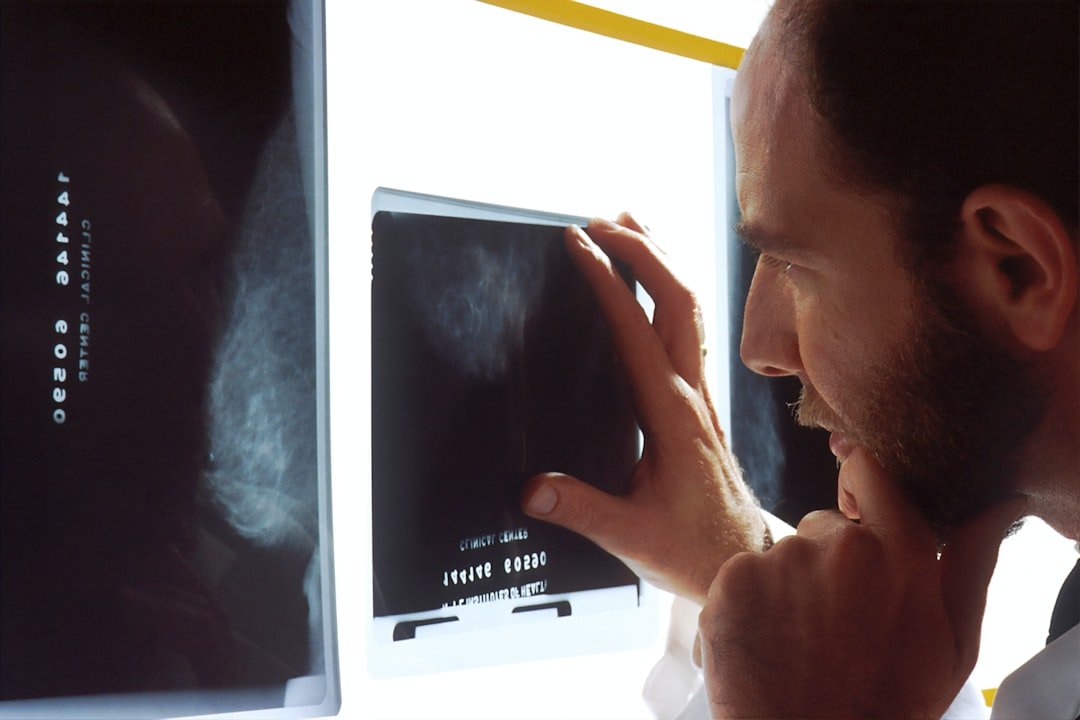
Let’s start with something truly incredible. Imagine going through treatment for bowel or rectal cancer—it’s tough, to say the least. But on top of everything else, you have to face the fact that the life-saving radiation and chemo can seriously damage the uterus and ovaries, often making it impossible to have children later. It's a heartbreaking side effect.
But a team of surgeons is pioneering a solution that is both brilliantly simple and incredibly complex. What if, they thought, we could just… move the organs out of the way?
That’s exactly what they’re doing. In this experimental procedure, surgeons carefully move the uterus, ovaries, and fallopian tubes, stitching them out of the radiation field during cancer treatment. Once the coast is clear and the treatment is done, they put everything back where it belongs.
And the best part? It seems to be working. Just last week, a team in Switzerland announced the birth of a baby boy, Lucien. He’s the fifth baby born thanks to this procedure, and the very first in Europe. Since that news broke, at least three more babies have been born. It’s a stunning example of how clever thinking and surgical skill can give people a chance at a future they thought was lost.
From Tragedy to Green Threads in Bangladesh
Now, let's switch gears completely and talk about the clothes on your back. For a long time, the garment industry in Bangladesh was unfortunately known for tragedy. You might remember the horrific collapse of the Rana Plaza factory building back in 2013, which killed over 1,100 people. On top of the safety issues, the industry has a massive pollution problem—dyes, chemicals, and heavy metals from textile production have choked rivers like the Buriganga in Dhaka.
But a new story is starting to emerge, and it’s a much more hopeful one.
Bangladesh is quietly becoming a leader in building "frugal" factories. These aren't about being cheap in a bad way; they're about being smart. These factories are using a mix of resource-efficient technologies to slash waste, save incredible amounts of water, and become more resilient to things like climate change and supply chain hiccups.
It’s a huge shift. The hundreds of factories that line the rivers are starting to weave a greener future for an industry that desperately needs it. It’s a powerful reminder that even in sectors with a dark past, positive change is absolutely possible.
Your Weekly Roundup of Tech Headlines
Okay, beyond those two big stories, a ton of other things happened this week. Here’s a quick rundown of the news that caught my eye.
- Deportation via Private Jet? This one is wild. It turns out ICE used a luxury private jet, owned by one of Donald Trump's business partners, to deport Palestinian men to Tel Aviv.
- Jeffrey Epstein’s Tech Ties: Even after spending 13 months in jail, Jeffrey Epstein was apparently still pouring millions of dollars into Silicon Valley tech ventures. The newly released files show just how deep his network really was.
- Rethinking Statin Side Effects: Good news for a lot of people. It looks like the risks of taking statins are much lower than we thought. Researchers now believe the drugs aren't responsible for most of the side effects they get blamed for.
- Russia's Winter Weapon: As the weather gets colder, Russia is once again targeting Ukraine’s power grid, weaponizing the bitter cold. It’s a brutal strategy that puts immense pressure on civilians and infrastructure.
- China’s Spy-Cam Problem: This is deeply unsettling. There’s a major issue in China with hidden spy cameras in hotels, where guests are being secretly livestreamed online without their knowledge.
- Betting on War: Geopolitical prediction markets are a thing, and people are apparently placing bets on the likelihood of war. It feels pretty dystopian, but these markets are happily taking the money.
- Oyster Farmers Aren't Biting: There are these promising programs designed to use oysters to help clean up water pollution. The problem? The farmers themselves aren't really signing up, and the projects seem to be losing steam.
- Could an AI Approve Your Next Raise? Get ready for this. Your next pay raise might not be approved by a human manager, but by an AI. You might need to start figuring out how to impress an algorithm.
- A New Hope for Depression Treatment: The FDA has given the green light to a brain stimulation device for treating depression. This could open the door for a non-invasive, drug-free treatment for millions of Americans.
- Audiences Are Tired of Rogue AI: It seems movie-goers have had enough of the "evil AI" trope. Recent films centered on rogue artificial intelligence have been flopping at the box office. Maybe we're all getting enough of that in the real world.
And speaking of government agencies, a quote from a web forum for current and former ICE officers really stood out. One user, complaining about the agency's methods, wrote: “I’m all for removing illegals, but snatching dudes off lawn mowers in Cali and leaving the truck and equipment just sitting there? Definitely not working smarter.”
Is Our Electric Grid Ready for the Future?
Let's zoom in on one of those stories for a minute—the one about power grids. It’s something we all take for granted until the lights go out.
Think about a utility company like Lincoln Electric System in Nebraska. They’re used to dealing with blizzards and tough weather. But what’s coming for them, and for every electric utility, is a whole different level of challenge.
They’re facing a future with more frequent and more extreme storms, wildfires, and the ever-present risk of cyberattacks. They have to do all this while keeping prices low, even when costs are rising.
And here’s the biggest piece of the puzzle: we're in the middle of a massive shift from fossil fuels to renewables like wind and solar. That completely changes how the grid has to work. It's no longer a one-way street of power from a plant to your house. It's a complex, two-way dance of energy.
Basically, our electric grid is bracing for a future defined by disruption. Companies like Lincoln Electric are on the front lines, trying to figure out how to build a grid that’s strong enough, smart enough, and flexible enough for whatever comes next.
And Finally, Something to Make You Smile
After all that, I think we could all use a little dose of fun. It’s important to remember that we can still have nice things, right?
- First up, the bodega cats of New York City are getting the high-fashion treatment they deserve—they’re featured in Vogue.
- Archaeologists are still trying to figure out the purpose of mysterious, ancient hidden tunnels found across Europe.
- And if you're a fan of the show Industry, you'll love a recent interview with the actor Ken Leung.
- Last but not least, forget the lions and tigers. The true star of the Philly Zoo is apparently the giant elephant shrew. Go look it up; you won't be disappointed.
That's a wrap for this week. It’s a lot to take in, but it’s a good snapshot of where we are. From life-altering science to global challenges, tech is right there in the middle of it all. Talk to you next time.