It’s honestly getting hard to keep up, isn’t it? One minute, you’re reading about a new AI tool, and the next, you hear about vacuum-sealed chicken being launched into space. The pace of change in technology right now is just staggering, and it feels like we’re all just trying to hang on for the ride.
Sometimes, the headlines can feel a bit disconnected from our actual lives. So, let's take a breath and actually talk through what’s going on. Think of this as a conversation, a chance to connect the dots on some of the wild, wonderful, and genuinely weird things happening in tech right now.
We’ll start with two stories that couldn’t seem more different, but both touch on the future in profound ways: one about how we build families, and the other about reaching for the stars.
The Future of Us: From Our DNA to Outer Space
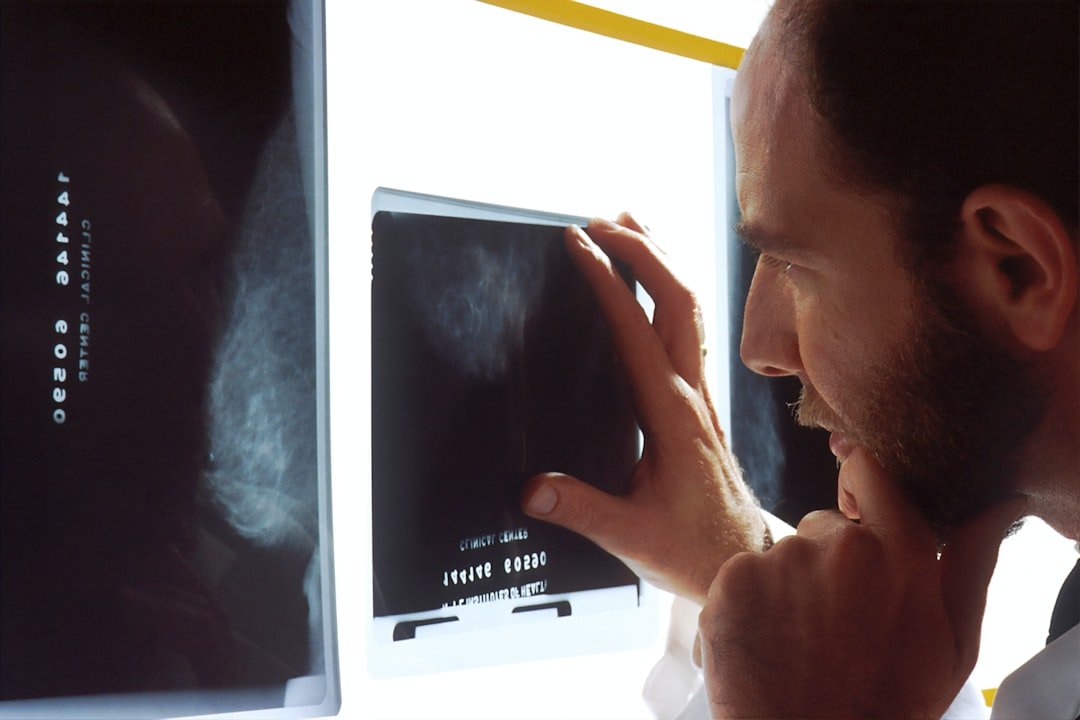
Have you ever heard of carrier screening? It’s a type of genetic test that helps would-be parents see if they carry hidden mutations that could affect their children. For a long time, this was pretty targeted, testing for specific genes in populations known to be at risk.
But now, we’re in the era of expanded carrier screening. And it’s a whole different ballgame.
Companies are now offering to screen for a massive array of diseases. I was at a meeting recently where Sara Levene, a genetics counsellor from Guided Genetics, mentioned that some of these companies have gone from testing 100 genes to over 2,000. She put it perfectly: “It’s becoming a bit of an arms race amongst labs, to be honest.”
More information sounds great, right? But it comes with some serious downsides and isn't the right choice for everyone. It raises all sorts of complex ethical questions and can create a lot of anxiety. It’s a powerful tool, but one that shows how technology is forcing us to make choices we never had to consider before.
Now, let's zoom out. Way out.
Imagine you’re walking through a busy shopping mall in Bangkok on a blazing hot day. You’re at the Thai Space Expo, surrounded by sleek model rockets and futuristic-looking spacesuits. And then you see it: a simple, vacuum-sealed package of Thai basil chicken.
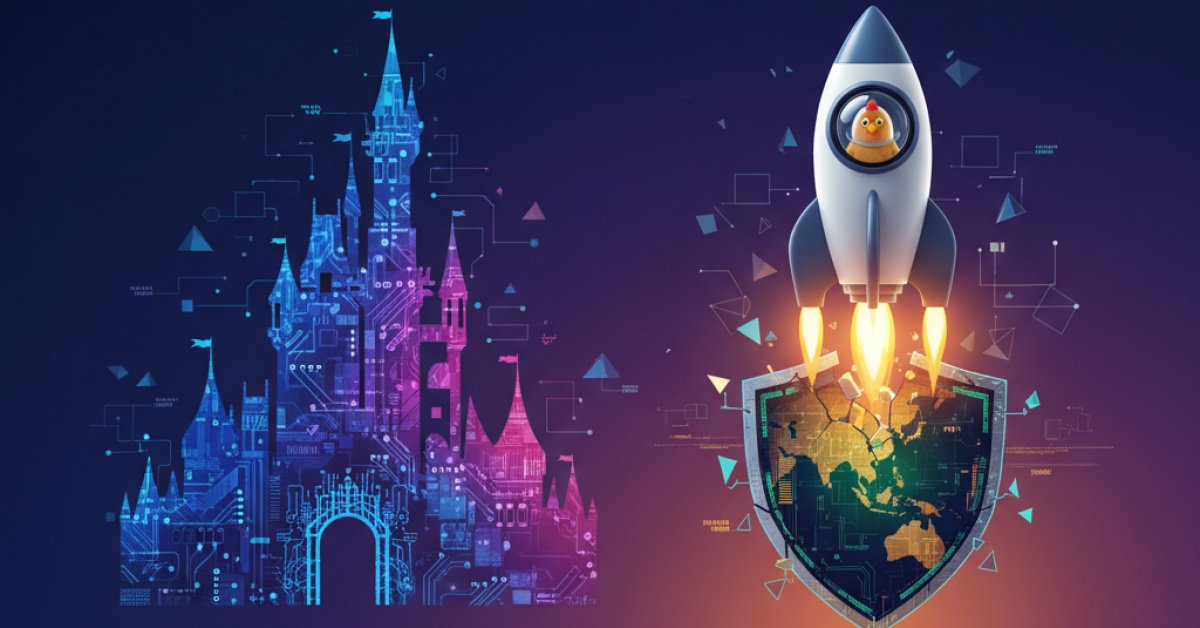
It turns out, a package just like it was recently launched to the International Space Station. It’s such a wonderfully human, almost mundane, sight in the middle of all this high-tech ambition. But it perfectly captures the growing excitement for space in Southeast Asia. There’s a ton of optimism and a real push for the region to find its place among the stars. It’s a powerful reminder that the dream of space isn’t just for a few superpowers anymore.
The AI Elephant in Every Single Room
Okay, let's talk about the topic that’s impossible to ignore: artificial intelligence. And the biggest headline this week has to be Disney’s massive deal with OpenAI.
So, Disney is All-In on AI Now?
Yep, it certainly looks that way. Soon, you’ll be able to create video clips using OpenAI’s Sora model, starring characters from Marvel, Pixar, and Star Wars. That’s right, over 200 iconic characters at your fingertips.
This is a huge shift. If you remember, Disney used to be pretty skeptical of AI. So, what changed? It seems the potential is just too big to ignore. But it’s also a bit ironic, considering Disney isn’t feeling nearly as friendly toward Google these days.
Of course, the immediate reaction from many people has been… skeptical. The internet is already bracing for a flood of AI-generated “slop” hitting Disney Plus. It’s a classic tech dilemma: just because we can do something, does that mean we should?
But Who's Making the Rules Here?
This is where things get messy. As AI gets more powerful, the fight over who gets to regulate it is heating up.
In the U.S., Donald Trump just signed an order that effectively blocks states from enforcing their own AI rules. The argument is that only Congress has the power to override state laws, but a new task force is being set up to hunt for "inconsistent" rules at the state level. This is seen as particularly bad news for places like California, which have been trying to lead the way on AI safety.
Senator Ed Markey didn’t mince words, saying, “Trump is delivering exactly what his billionaire benefactors demanded—all at the expense of our kids, our communities, our workers, and our planet.” It’s a stark reminder that the future of AI isn’t just a tech issue; it’s a political one.
AI's Growing Pains: The Good, The Bad, and The Cringey
While the titans fight over policy, the tech itself keeps evolving in strange and unpredictable ways.
- ChatGPT's "Adult Mode": OpenAI is planning to launch an "adult mode" for ChatGPT early next year. The catch? They admit they first need to get way better at estimating a user's age. It's a tricky problem, especially when other models, like DeepSeek, can be pretty easily coaxed into generating explicit content.
- Not-So-Innocent Toys: Remember that story about the dirty-talking AI teddy bear? It wasn't a one-off. It turns out a whole range of toys powered by large language models are just not suitable for kids. These AI-powered toys are already a huge deal in China, and now they're showing up on shelves in the U.S.
- The Professor's Dilemma: How do you test students when ChatGPT can write a perfect essay? Some professors are trying to "AI-proof" their exams by switching to oral examinations. It’s a low-tech solution to a high-tech problem.
It’s clear we’re in a weird transitional phase. The technology is racing ahead, and we’re all—from parents to politicians to professors—scrambling to figure out the new rules of the road.
The High-Stakes Game of Global Tech
All of this talk about AI—the deals, the rules, the chips that power it all—leads us to one of the most critical geopolitical situations on the planet. I’m talking about Taiwan.
For years, there’s been this idea of a "silicon shield." The theory goes that because Taiwan is so dominant in making semiconductors, China would never risk an invasion. It would be like shooting yourself in the foot, economically speaking.
And the numbers are just jaw-dropping. Taiwan produces the majority of the world's semiconductors and over 90% of the most advanced chips—the very ones needed for the AI revolution we were just talking about.
But here’s the scary part: there’s a growing fear that this silicon shield, if it ever really existed, is starting to crack.
China’s leader, Xi Jinping, has become more and more vocal about “taking back” the island. And some experts and Taiwanese citizens are worried that their critical role in the tech supply chain might not be enough of a deterrent anymore.
It’s a sobering thought. It connects the phone in your pocket and the AI services you use directly to a global flashpoint. All these threads—from a new feature on Disney+ to the future of a sovereign nation—are more tangled together than we might think. And honestly, there are no easy answers, just a lot of uncertainty as we all watch to see what happens next.