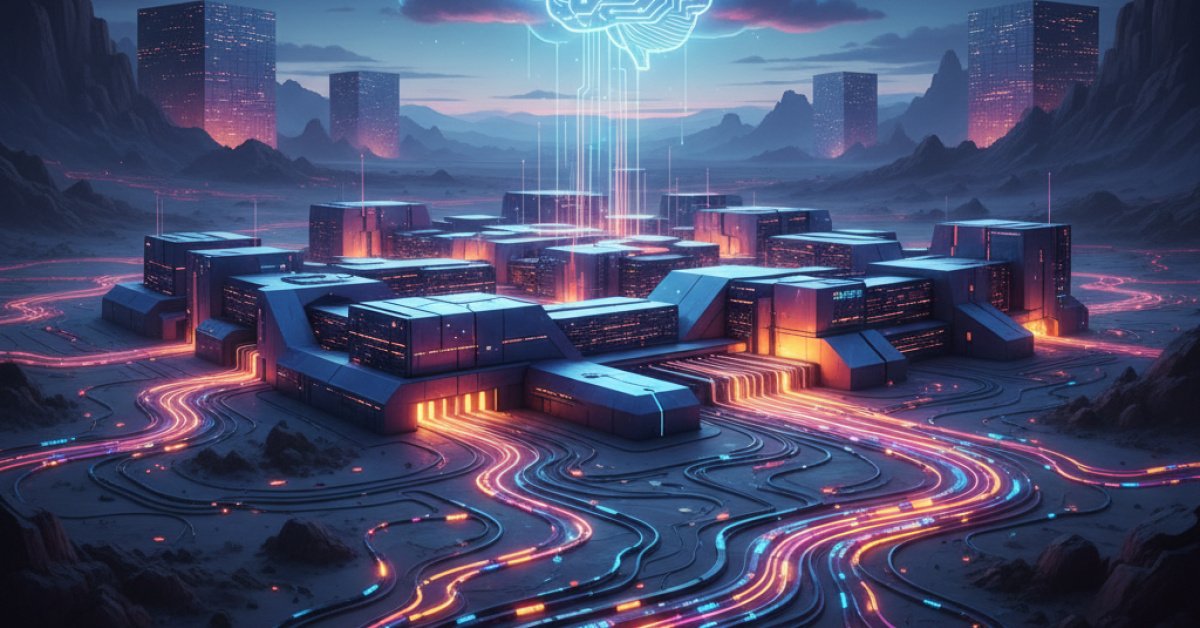
Have you ever stopped to think about where "the cloud" actually lives? It’s a nice, fluffy term, but the reality is a lot more… industrial. It lives in massive, windowless buildings called data centers, humming with servers that store our photos, power our favorite apps, and train the AI models we’re all talking about.
For years, we’ve welcomed these digital powerhouses with open arms. They brought jobs, investment, and a ticket to the tech-fueled future. But it seems the honeymoon phase might be over.
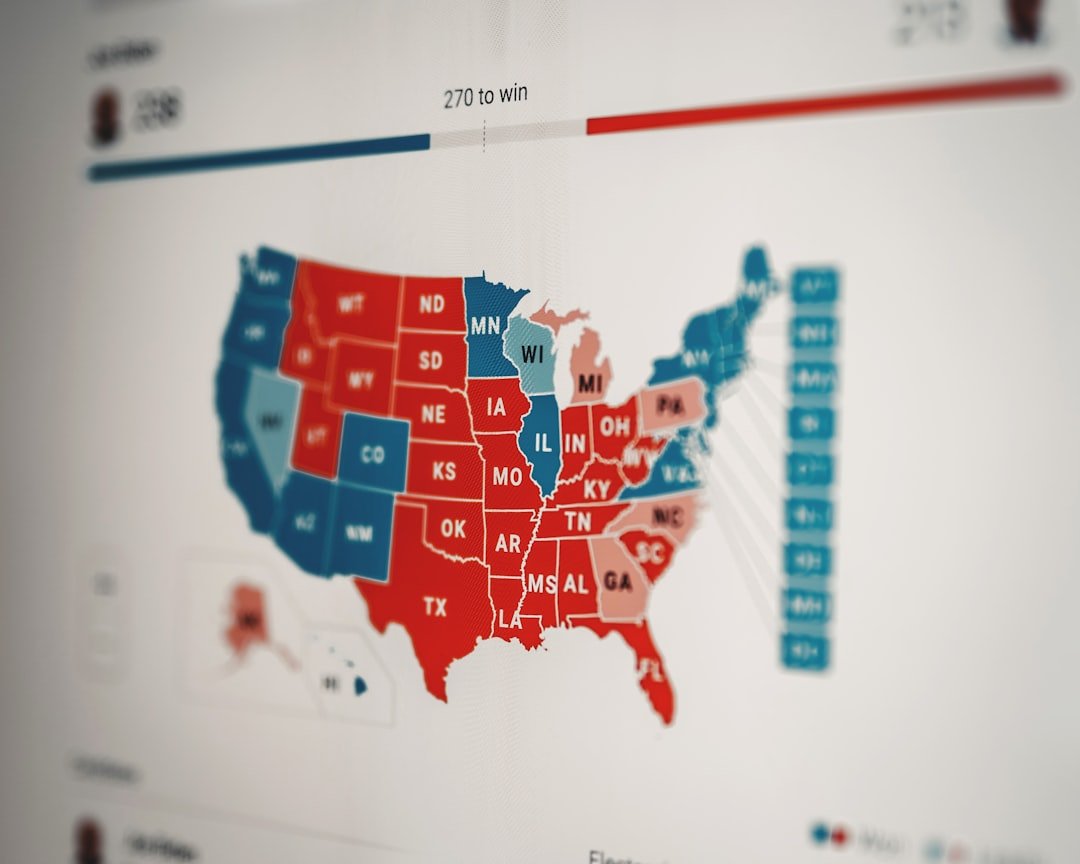
Suddenly, a surprising number of states are hitting the brakes. And the latest to join the club is New York. What’s really turning heads, though, is that this isn't a partisan issue. We're seeing lawmakers from both sides of the aisle raise their hands and say, "Hold on a minute."
So, what’s going on? Why the sudden cold feet? Let's get into it.
First Off, These Aren't Your Average Office Buildings
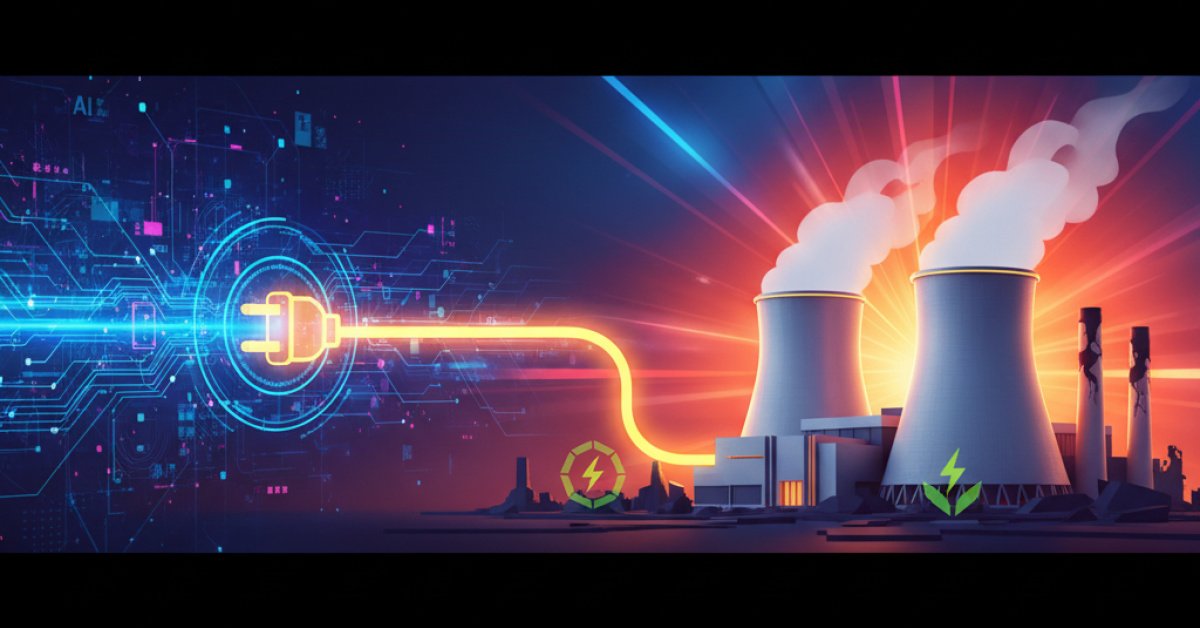
To understand the backlash, you first have to appreciate what a modern data center really is. Think of it less like an office and more like a power plant dedicated to information.
These facilities are unbelievably energy-intensive. A single large data center can consume as much electricity as a small city. I’m not exaggerating. They run 24/7, 365 days a year, and all those servers generate an incredible amount of heat. To keep them from melting, they need massive cooling systems, which, you guessed it, use even more power.
And with the AI boom, this problem is getting supercharged. Training a large language model like the ones powering ChatGPT is an energy-guzzling marathon. The more we lean into AI, the more of these power-hungry behemoths we need.
The Big Squeeze on Our Power Grid
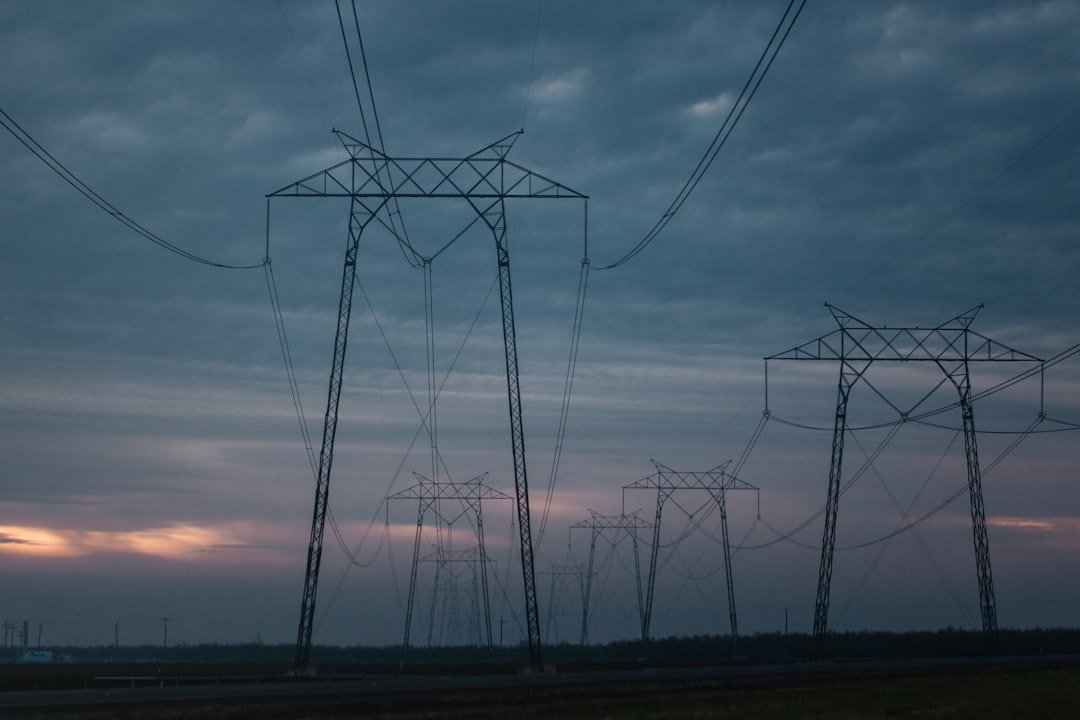
This is where the first major concern pops up: our aging electrical grids simply can't keep up.
Imagine the power grid is like the electrical wiring in an old house. For decades, it handled the toaster and the TV just fine. But now, you’re trying to plug in a supercomputer, three electric cars, and a home-sized crypto-mining rig. You can see how you might start blowing some fuses, right?
That's essentially what's happening on a statewide level. Utility companies are starting to panic, warning that they might not have enough power to go around. When a few new data centers can increase a state’s entire energy demand by a significant percentage, it puts a massive strain on the whole system.
And here’s the kicker: when demand skyrockets, so do prices. For everyone. Your electricity bill could go up to help subsidize the power needed to let someone stream a movie or for an AI to write a poem. That’s a tough pill for a lot of residents and local businesses to swallow.
The Climate Question We Can't Ignore
The other major piece of the puzzle is the environmental impact. For all our talk about a clean, digital future, the backbone of that future is often powered by some pretty old-school energy sources.
Many data centers are still pulling their immense power from fossil-fuel-burning plants. This creates a strange paradox: the very technology meant to solve complex problems could be making one of our biggest problems—climate change—even worse.
This isn’t just about the power source, either. Many cooling systems use vast amounts of water, which can be a huge issue in areas already facing droughts. So, lawmakers are looking at this and asking a very reasonable question: Does it make sense to approve a project that strains our power grid, raises energy prices, and works against our climate goals?
This Isn't a War on Tech, It's a "Timeout"
Now, it’s important to understand that this isn’t some Luddite movement to smash the servers and go back to paper maps. Nobody is saying we should shut down the internet.
Instead, think of it as a much-needed "timeout." States like New York are proposing a pause, not a permanent ban. They want to stop and actually think about how to do this responsibly. It's a chance to step back and create a smarter playbook for data center development.
What might that look like? Well, some of the ideas being floated include:
- Requiring renewable energy: New data centers might have to be powered by wind, solar, or other clean sources.
- Smarter locations: Encouraging development in areas where the grid can handle the load and where renewable energy is plentiful.
- Efficiency standards: Pushing for new technologies that make servers and cooling systems less power-hungry.
This whole situation is a fascinating look at the real-world consequences of our digital lives. For a long time, the internet felt like magic—something that just existed without any physical cost. But we’re now waking up to the fact that every search, every stream, and every AI query has a very real footprint on our planet and our infrastructure.
The debate over data centers is really a debate about our future. How do we balance our insatiable demand for data and AI with the physical limits of our energy grids and our environment? There are no easy answers, but for the first time, it feels like the right people are finally starting to ask the right questions. And that’s a pretty good place to start.