Alright, grab your coffee. It feels like every week we’re living through another chapter of a science fiction novel, and this week is no different. We’ve got some heavy-hitting topics to unpack, from ideas that were once taboo making a serious comeback to the quiet, brilliant innovations trying to clean up the mess we’ve made.
Sometimes, the headlines are so wild you have to read them twice. That’s exactly how I felt when I saw that we’re not just talking about gene-edited babies again—we’re talking about a company with $30 million in funding dedicated to making it happen.
Let’s get into it.
So, We’re Seriously Talking About Gene-Edited Babies Again?
Remember a few years back when a scientist in China, He Jiankui, announced he’d created the world’s first genetically edited babies? The global scientific community was in an uproar, and for good reason. He was eventually imprisoned, and the whole concept of “heritable genome editing”—making changes to DNA that can be passed down through generations—was pushed firmly into the “do not touch” category.
Well, it seems like someone is ready to touch it again, albeit with a lot more caution.
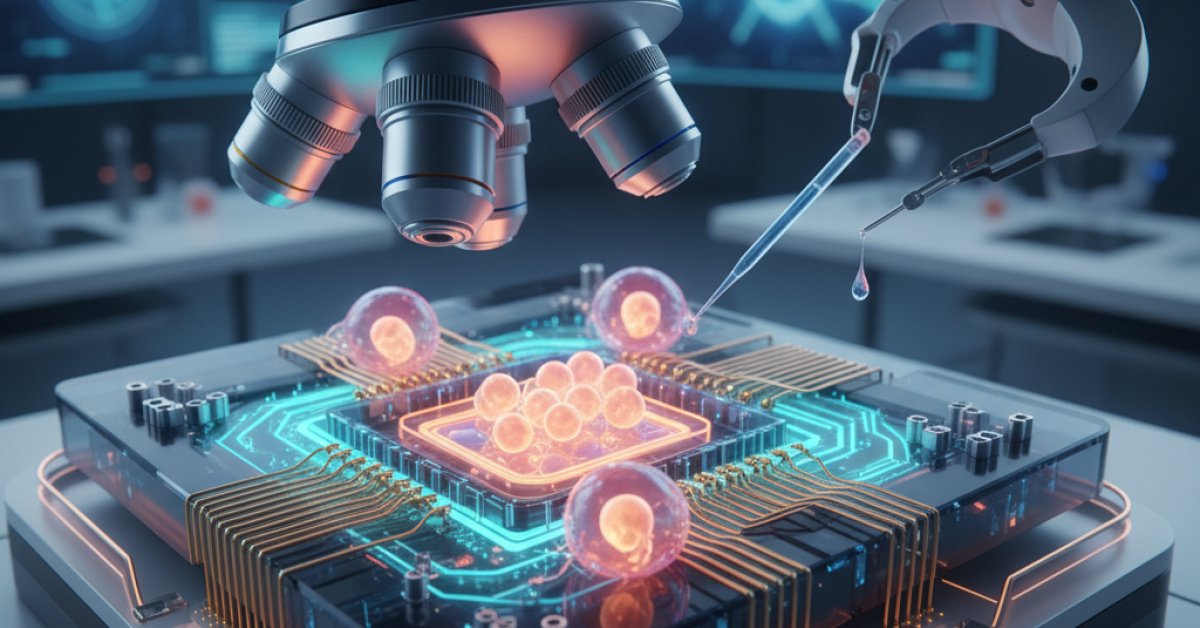
A new public-benefit company called Preventive just secured a hefty $30 million to research how to do this safely. The entrepreneur behind it says the goal is purely preventative medicine. Think of it like this: they want to correct harmful genetic mutations in an embryo to stop diseases before they ever have a chance to start.
On the surface, who could argue with preventing a devastating genetic disease? It sounds like a noble goal. But here's the thing—this is a line we’ve never really crossed before, and the ethical implications are massive.
The procedure is still illegal in the U.S. and many other countries. There are huge questions about its usefulness and, more importantly, the unforeseen consequences. When you edit the human germline, you’re not just making a change for one person; you’re making a change for all of their descendants. That’s a massive responsibility, and frankly, it’s a little terrifying.
This isn’t just a scientific challenge; it’s a deeply human one. We’re going to be hearing a lot more about this, and it’s a conversation we all need to be a part of.
The Unsung Hero of Our Green Future is Getting a Clean-Up
Let’s switch gears from the future of humanity to the nuts and bolts that power our world. I’m talking about copper.
You probably don’t think about copper very much, but it’s everywhere. It’s in our phones, our homes, and, most importantly, in the electric vehicles and green energy tech we’re counting on to build a sustainable future.
Here’s the dirty little secret: getting copper is a filthy business. Traditional smelting processes create a ton of pollution. So we have this paradox where the material we need for our clean energy transition is produced in a way that’s anything but clean.
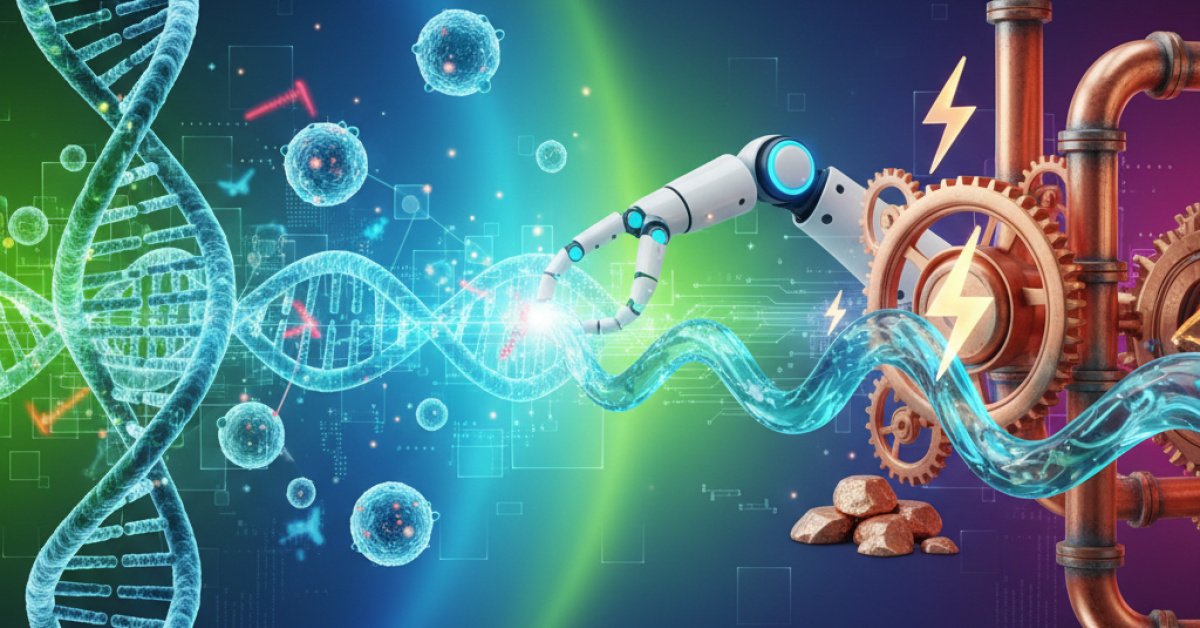
That’s where a startup called Still Bright comes in, and their idea is pretty brilliant. They’re using a process based on battery chemistry—using water-based reactions to purify copper. Imagine a cleaner, more efficient way to get the metal we desperately need without poisoning the planet in the process.
This is the kind of innovation that often gets overlooked but is absolutely critical. It’s not as flashy as AI or as controversial as gene editing, but solving these fundamental industrial problems is how we actually make progress. If we’re going to build a better future, we need better, cleaner building blocks. It’s a huge challenge for our supply chains, and I’m definitely rooting for companies like this to figure it out.
A Quick Spin Around the Rest of the Tech World
Beyond those two big stories, a bunch of other things caught my eye this week. Here’s a quick rundown of what’s been on my mind:
- The AI Consciousness Debate Heats Up: Microsoft’s AI boss, Mustafa Suleyman, made waves by saying researchers should stop trying to create conscious AI. He believes consciousness is a biological phenomenon. It’s a fascinating take from someone at the absolute heart of the AI industry. It feels like the leaders in this space are trying to put some guardrails on their own ambitions, which is probably a good thing.
- Elon Musk vs. His Shareholders: The drama at Tesla continues. Musk might actually lose control of the company if shareholders vote against his massive, nearly $1 trillion stock package. It’s a wild reminder that even the most powerful tech titans are ultimately accountable to their investors.
- The Hottest Job in AI Isn't What You Think: Forget data scientists for a second. The new rockstars are "forward-deployed engineers." These are the specialists who go into companies and help them actually use the complex AI models they’re buying. It shows you that having a powerful tool is one thing; knowing how to use it is another thing entirely.
- Can an AI Think Like a Linguist? A new model from OpenAI, called o1, is apparently showing an incredible ability to analyze language with the nuance of a human expert. This is a huge test for AI. Language isn't just about data; it's about context, culture, and inference. If AI is getting good at this, it’s a big step toward more powerful reasoning capabilities.
- Your Body, But Make It Digital: This is one of those mind-bending concepts that’s becoming real: digital twins of human organs. Scientists are creating virtual, working models of our hearts, livers, and more. Imagine a surgeon practicing a complex operation on your digital heart a dozen times before ever touching your real one. This technology has been in the works for decades, but it's now entering clinical trials. The end goal? A complete digital copy of your body to predict disease and test treatments. It's an incredible prospect, but we'll need to be incredibly careful with how it's developed and used.
It’s a lot to take in, I know. From rewriting our DNA to rebuilding our industries, the pace of change just doesn’t seem to slow down. It’s our job to pay attention, ask the hard questions, and try to steer all this incredible power in a direction that helps us all.
Thanks for thinking through it with me. Let’s see what next week brings.