When you think of the phrase “Made in Bangladesh,” what’s the first thing that pops into your head?
For a long time, the picture wasn’t a pretty one. Many of us remember the heartbreaking headlines from 2013, when the Rana Plaza factory collapsed, a tragedy that cost over 1,100 people their lives. We’d see images of polluted rivers, like the Buriganga in Dhaka, choked with dyes and chemicals from the very factories making our clothes. It was an industry synonymous with disaster and environmental damage.
But here’s something that might surprise you. While we weren’t looking, a quiet but powerful transformation has been taking place. Bangladesh has been stitching together a completely new story, one woven with greener threads. It’s become an unlikely global leader in building sustainable, resource-efficient factories.
That’s right. The country now has more LEED-certified garment factories—268 of them, to be exact—than anywhere else in the world. It’s a story about technology, ingenuity, and a determined push for change. So, let’s take a look at what’s really going on.
So, What Does a "Green Factory" Actually Look Like?
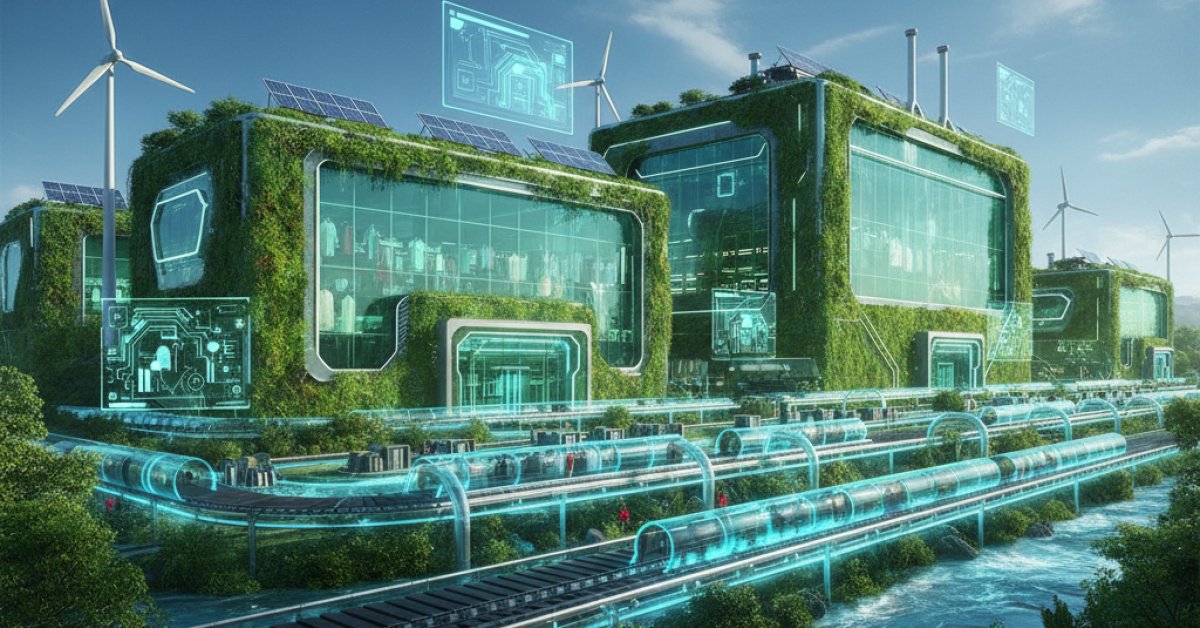
Forget the dark, cramped workshops of the past. Step inside a place like the Fakir Eco Knitwears factory near Dhaka, and you’ll see the future in action.
It’s not just about slapping a few solar panels on the roof (though they have those, too). This is a top-to-bottom reimagining of how a factory works.
Imagine this: instead of burning electricity all day, massive skylights flood the factory floor with natural daylight, cutting lighting costs by a whopping 40%. The temperature is kept comfortable not by giant, energy-guzzling AC units, but by a clever system that absorbs and reuses heat from the machinery. Even the water is recycled—wastewater is treated on-site and then used to flush the toilets.
And the technology is seriously cool. They’re using AI-powered cutting machines that are almost surgically precise. Think of it like a master puzzle solver that figures out the most efficient way to cut patterns from a roll of fabric. The result? They can recycle 95% of the fabric scraps back into new yarn. That's a massive reduction in waste.
As one of the company’s engineers, Md. Anisuzzaman, put it, “We save energy by using daylight, solar power, and rainwater... It shows how local resources can make production greener and more sustainable.” It’s a frugal, common-sense approach to high-tech manufacturing.
Who's Footing the Bill for This Green Makeover?
Okay, this all sounds fantastic, but these upgrades aren’t cheap. So who’s paying for it?
It’s really a mix of three key things:
- Factory Owners: The forward-thinking factory owners are making the initial investments themselves, betting that sustainability will pay off in the long run.
- Local Support: Bangladesh Bank has a "Green Transformation Fund" that provides loans to help factories finance these kinds of projects.
- Pressure from Brands: This is the big one. Major international buyers—the brands we all know—are putting pressure on their suppliers. They reward factories that meet green standards with consistent, ongoing orders. Comply, and you get the business.
One of the most significant players here is a program called the Partnership for Cleaner Textile (PaCT). It’s an initiative run by the World Bank Group, and since 2013, it has worked with over 450 factories to help them adopt cleaner production methods.
The results are staggering. PaCT estimates its efforts are now saving 35 billion liters of fresh water every single year. To put that in perspective, that’s enough water to meet the daily needs of almost 2 million people. It's a huge win for a country facing serious climate and water-scarcity issues.
But Green Buildings Don't Automatically Mean Fair Pay
This is where the story gets more complicated.
While the physical factory buildings have become safer and more environmentally friendly, the human side of the equation hasn't kept pace. For the 4.4 million workers in the industry, many of the old problems persist.
Wage theft and delayed payments are still all too common. The official minimum wage is about 12,500 taka a month, which works out to roughly $113. That’s a far cry from the $200 that unions have argued is a livable wage. This gap has led to frequent strikes and protests over pay, overtime, and basic job security.
A.K.M. Ashraf Uddin, who heads up the Bangladesh Labour Foundation, summed it up perfectly: “Since Rana Plaza, building safety and factory conditions have improved, but the mindset remains unchanged. Profit still comes first, and workers’ freedom of speech is yet to be realized.”
It’s a stark reminder that you can have the greenest, most high-tech factory in the world, but true sustainability has to include the people inside it.
Could Greener Tech Actually Make Things Worse for Some?
Here’s another uncomfortable twist. This push for green technology could unintentionally create a two-tiered system, exacerbating the inequality that already exists.
The reality is that Bangladesh’s garment sector is dominated by smaller factories. These are the businesses that often can't afford the hefty price tag of LEED certification, AI-driven cutters, or advanced water treatment plants.
And this is becoming a serious business risk for them. Without these green upgrades, they could soon find themselves locked out of major markets. The European Union, for example, is rolling out new rules starting in 2027 that will require companies to clean up the human rights and environmental problems in their supply chains.
If you’re a small factory owner who can’t afford to go green, you might lose your biggest customers overnight. It’s a classic case of progress potentially leaving the most vulnerable behind.
So, while a cleaner Buriganga River is a beautiful and necessary goal, it’s just one small part of a much larger, more complex picture. The journey to a truly sustainable garment industry in Bangladesh is well underway, and the technological progress is genuinely inspiring. But it’s also a powerful lesson that innovation can't just be about the environment and efficiency; it has to be about people, too.